Topical Steroids Guide: How to Prevent Skin Thinning and Use Them Safely
Learn how to use topical steroids safely to treat eczema and psoriasis without causing skin thinning or atrophy. Expert tips on FTUs and potency.

Looking for straightforward health information without the fluff? This category brings together short, useful guides on medications, common conditions, and trustworthy medical sites. You’ll find practical takeaways you can use now — what to watch for, when to see a doctor, and where to double-check facts.
We collect reliable articles about drugs, disease prevention, and how to read medical advice online. For example, our piece on "Top 6 Reliable Alternatives to WebMD" lists sites like Healthline, Mayo Clinic, Cleveland Clinic, Medical News Today, and Drugs.com and explains what each is best for — quick symptom checks, in-depth clinical overviews, news, or drug details. That helps you pick the right source fast.
If you need condition-specific info, check our posts about causes, symptoms, and simple prevention steps. Two nearly identical posts on the life cycle of Sarcoptes scabiei explain how scabies spreads, the stages from egg to adult, and practical steps to stop reinfection. Those articles break down symptoms, treatment options, and hygiene tips so you can act quickly and confidently.
Not all online health info is equal. Quick checks you can do: look for author credentials or an editorial team, check the article date, and prefer sites that cite research or clinical guidelines. If a source promises miracle cures or tells you to skip your doctor, treat it with caution. Use our posts to learn the basics, then bring questions to your clinician.
Here are three fast rules: 1) For medicine questions (dosage, interactions) trust pharmacy-focused sites or your pharmacist. 2) For diagnosis and treatment choices, use hospital or clinic pages written or reviewed by clinicians. 3) For current news about treatments, check reputable medical news outlets and confirm with clinical sources.
Need help right away? If symptoms are severe — high fever, trouble breathing, chest pain, sudden weakness, or severe allergic reactions — seek emergency care. For ongoing symptoms or medication concerns, book a visit with your primary care provider or a specialist.
Want to find a specific article fast? Use the search box or browse tags for medications, infections, and trusted sites. Read one or two articles, note any sources they cite, and keep your questions ready for your clinician. Our goal is to give clear, practical info so you can make better health decisions and know when to get professional care.
Explore the posts, bookmark the pages you like, and reach out with topics you want explained simply. We update content often to keep it accurate and useful for everyday health decisions.
 13 Apr 2026
Learn how to use topical steroids safely to treat eczema and psoriasis without causing skin thinning or atrophy. Expert tips on FTUs and potency.
 12 Apr 2026
Confused between NSAIDs and Acetaminophen? Learn the key differences in how they work, their safety risks, and which one is best for your specific type of pain.
 1 Apr 2026
Learn how low-income seniors can qualify for the Extra Help Program to lower prescription drug costs, review income limits, and navigate the application process.
 31 Mar 2026
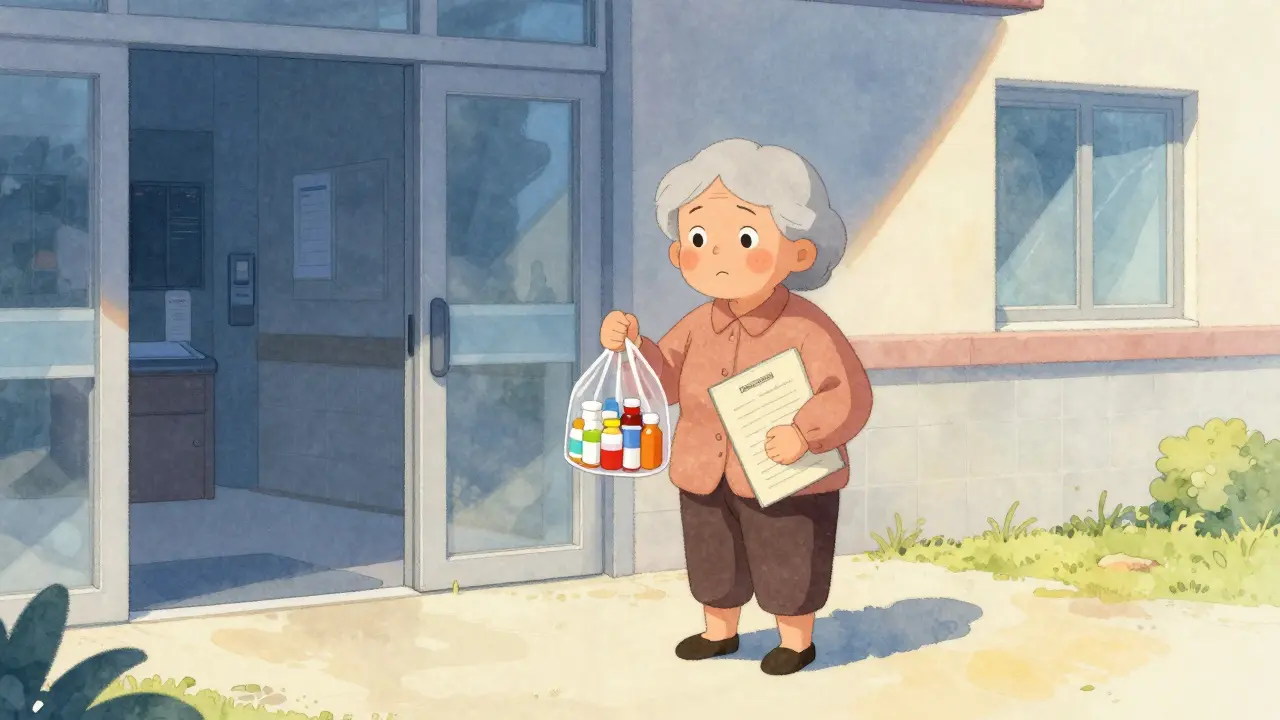
Discover how to prevent medication errors during hospital discharge. Learn essential steps for medication reconciliation, high-risk drug management, and effective follow-up strategies for seniors.
 16 Mar 2026
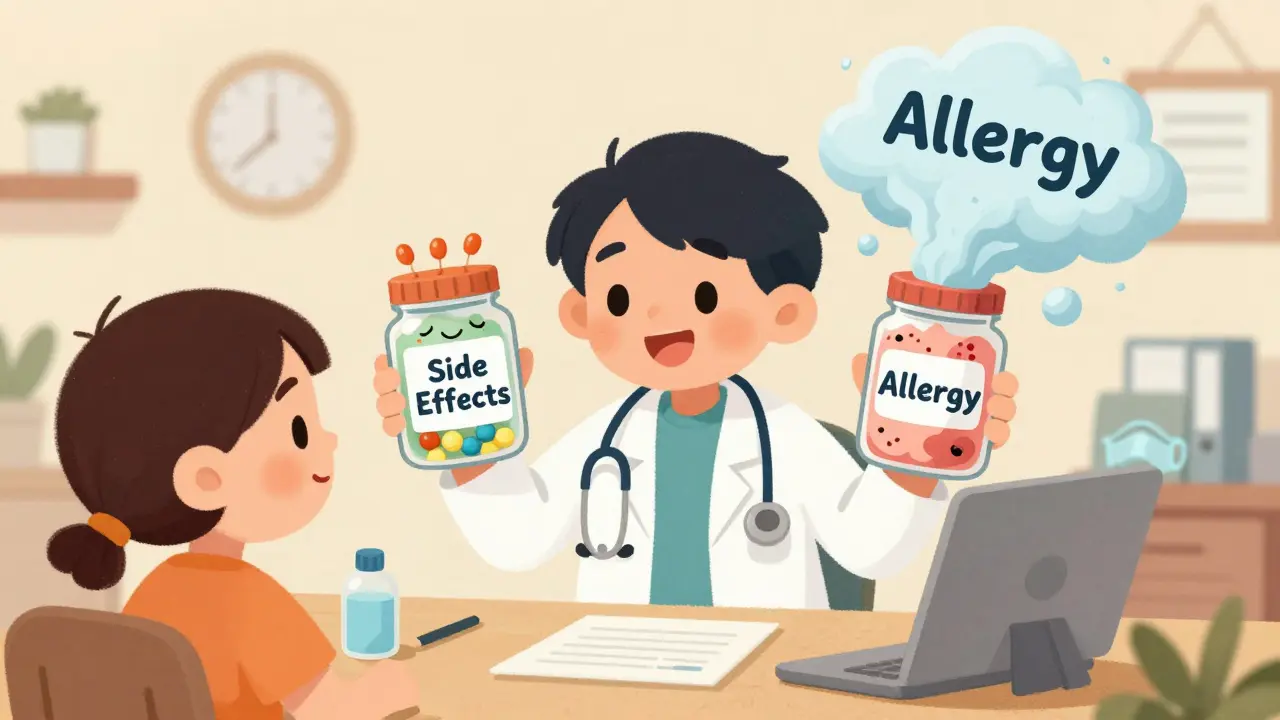
Learn how to clearly tell your care team the difference between medication side effects and true allergic reactions. Knowing how to describe your symptoms can prevent misdiagnosis, avoid unnecessary drug avoidance, and improve your treatment.
 15 Mar 2026
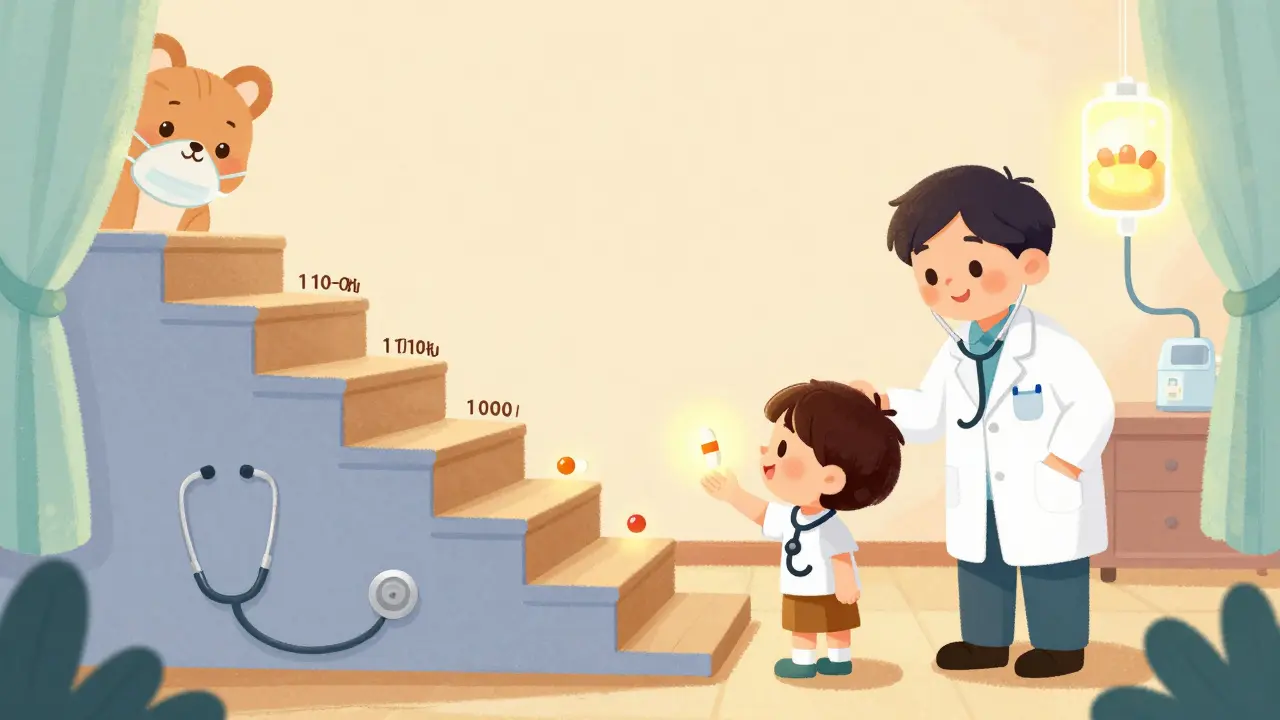
Drug desensitization allows patients with life-threatening allergies to safely receive essential medications through controlled, step-by-step dosing under medical supervision. It's the only option when no alternative drugs exist.
 4 Mar 2026
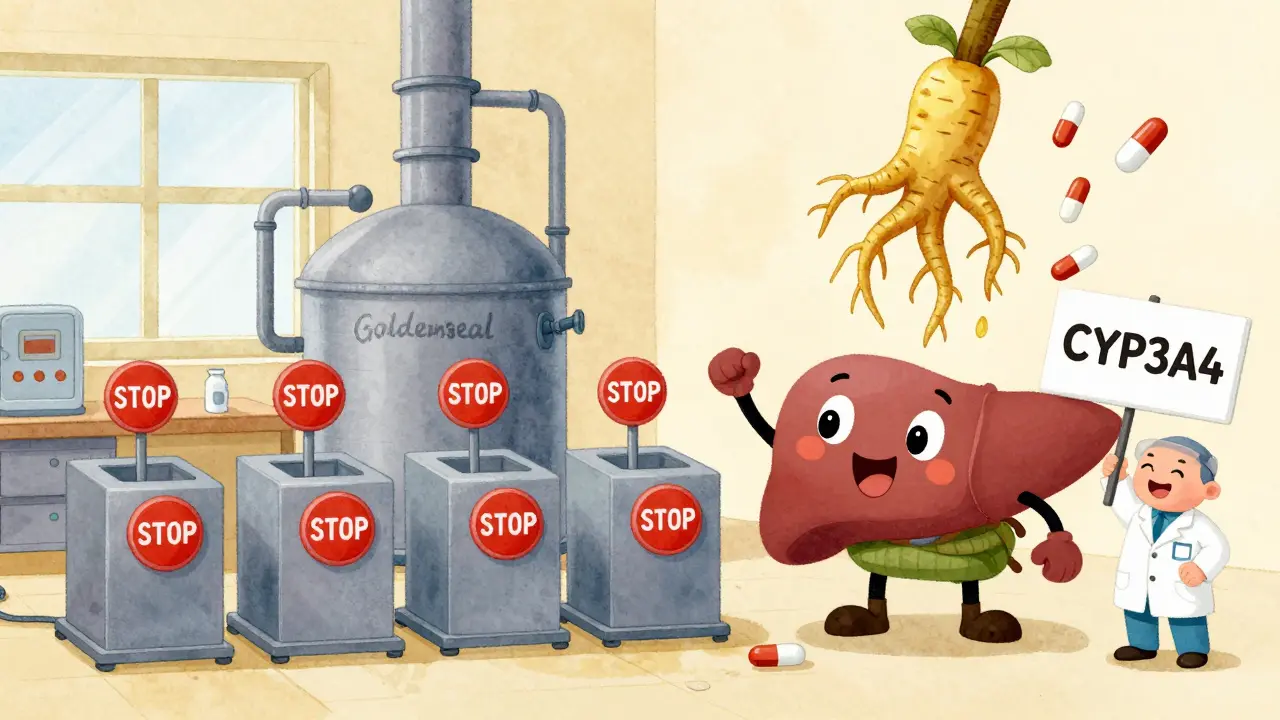
Goldenseal may seem harmless, but it can dangerously alter how your body processes medications by inhibiting key liver enzymes. Learn which drugs are at risk and what to do instead.
 23 Feb 2026
The nocebo effect explains why some people feel side effects from medications-even when the drug is inert. Expectations, fear, and communication shape real physical symptoms. Learn how this hidden force affects treatment outcomes.
 22 Feb 2026
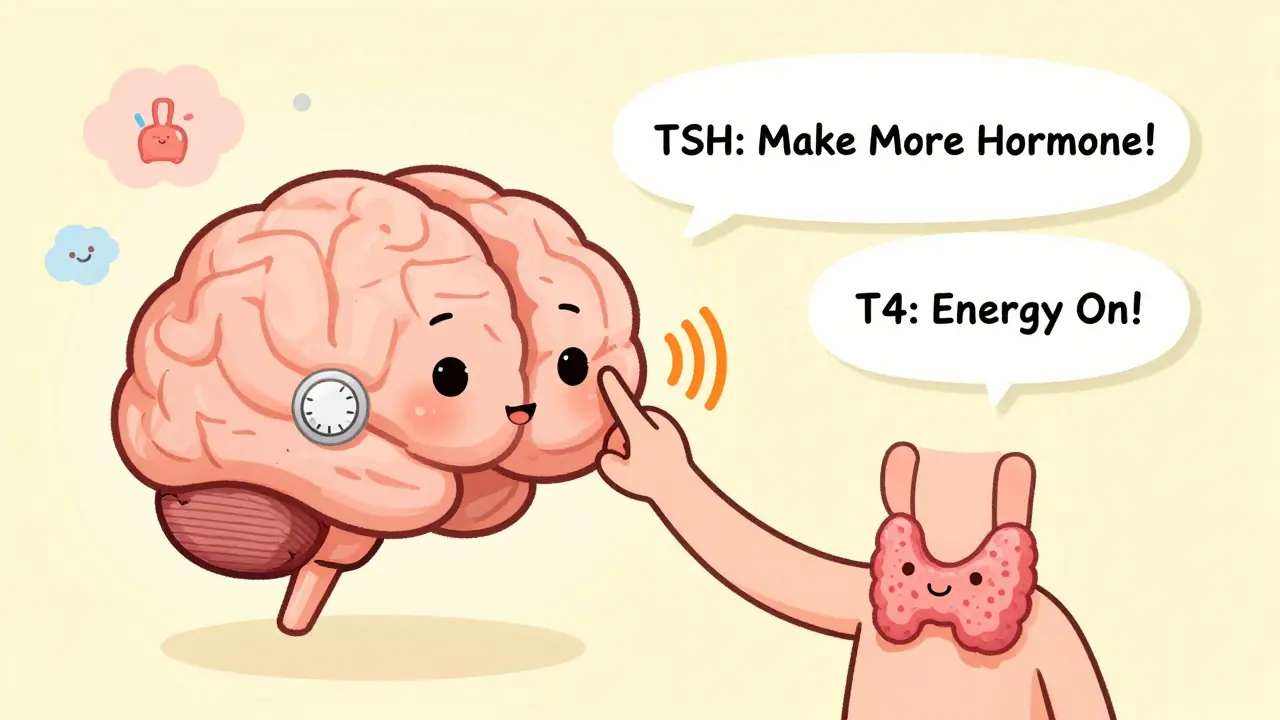
TSH and free T4 are the two most important blood tests for thyroid function. Learn how they work together to diagnose hypothyroidism and hyperthyroidism, why dosing varies by age and condition, and why symptoms matter even when numbers look normal.
 16 Feb 2026
Switching health plans? Your generic drug coverage could cost you hundreds more if you don’t check the formulary tiers, pharmacy network, and manufacturer details. Here’s how to avoid surprise bills.