

The Core Difference: Inflammation vs. Just Pain
If you have a swollen ankle from a sprain or a joint that feels hot and stiff due to arthritis, you're dealing with inflammation. This is where NSAIDs (Nonsteroidal Anti-Inflammatory Drugs) shine. Medications like Ibuprofen (common in Advil or Motrin) and Naproxen (found in Aleve) don't just mask pain; they attack the swelling at the source. They do this by blocking COX-1 and COX-2 enzymes, which stops the production of prostaglandins that cause inflammation throughout your body. Acetaminophen (the active ingredient in Tylenol) works differently. It's a powerhouse for reducing fever and relieving general aches, but it doesn't do a thing for swelling. If you have a puffy knee, Tylenol might make the pain feel duller, but the swelling will stay exactly where it is. This is because it primarily blocks prostaglandins in the brain and spinal cord rather than at the site of the injury.Choosing the Right Tool for the Job
Not all pain is created equal, and neither are these drugs. Using the wrong one can leave you feeling like you're wasting pills. Here is how to match the medication to your symptom:- Muscle Strains and Sprains: Go for an NSAID. Because these injuries involve tissue inflammation, ibuprofen or naproxen will help reduce the actual swelling, speeding up your recovery.
- Headaches and Fevers: Acetaminophen is often the first choice here. It's effective for tension headaches and is generally easier on the system when you're already feeling run down with a cold.
- Chronic Joint Pain: For those dealing with Osteoarthritis, NSAIDs are typically more effective. Since joint degradation often involves chronic inflammation, the anti-inflammatory properties are key.
- Menstrual Cramps: NSAIDs are the gold standard here because they block the prostaglandins that cause the uterus to contract.
| Feature | NSAIDs (e.g., Ibuprofen) | Acetaminophen (Tylenol) |
|---|---|---|
| Reduces Inflammation? | Yes | No |
| Primary Risk | Stomach/Kidney/Heart | Liver Toxicity |
| Safe for Blood Thinners? | Generally No | Generally Yes |
| Stomach Impact | Can cause irritation/ulcers | Easy on the stomach |
| Max Daily Dose (OTC) | 1,200mg (Ibuprofen) | 4,000mg |

The Hidden Risks: Your Liver and Your Stomach
Both of these medications are safe when used as directed, but they have very different "danger zones." Acetaminophen's biggest weakness is the liver. Because your liver processes this drug, taking too much can lead to acute liver failure. The FDA has highlighted a dangerous trend where people accidentally overdose by taking a pain reliever and a multi-symptom cold medicine, both of which contain acetaminophen. To stay safe, experts suggest sticking to 3,000mg per day rather than the absolute maximum of 4,000mg. NSAIDs, on the other hand, are tough on the gut. About 10-20% of regular users experience stomach irritation. In more severe cases, they can cause gastrointestinal ulcers or bleeding because they inhibit the protective lining of the stomach. There's also a cardiovascular risk; high doses or long-term use can increase the chance of a heart attack or stroke. If you have kidney issues or heart disease, NSAIDs can be a risky bet.The Pro Strategy: Alternating and Combining
One of the most effective ways to manage moderate to severe pain without overloading your system is the "alternating method." Instead of taking a massive dose of one drug, you can switch between the two. For example, some protocols suggest taking acetaminophen at 8 AM and 8 PM, and then taking an NSAID like ibuprofen at 2 PM and 10 PM. This keeps a steady level of pain relief in your bloodstream while giving your liver and kidneys a break from any single medication. Clinical trials show that combining these two can actually provide better relief than a high dose of either one alone, while keeping the side effects low.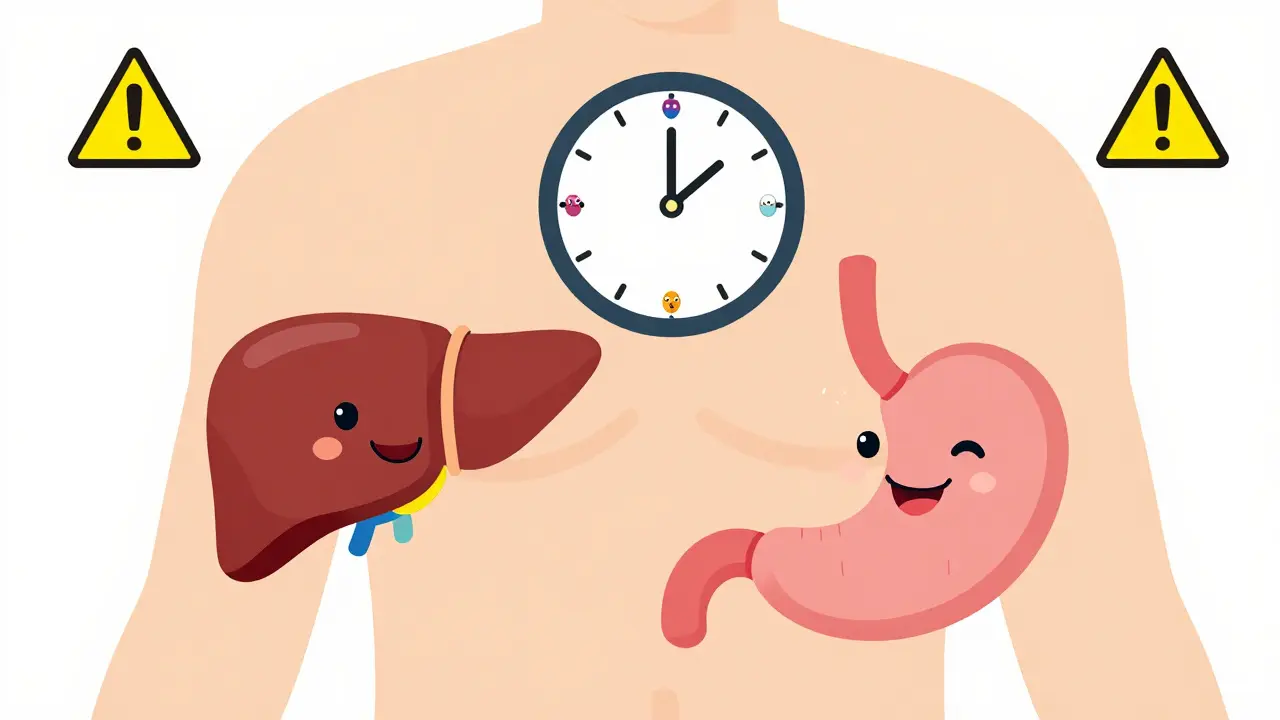
Crucial Safety Checklists
Before you reach for the bottle, run through these scenarios to make sure you're making the safest choice. Avoid NSAIDs if you:- Have a history of stomach ulcers or GI bleeding.
- Have chronic kidney disease.
- Are taking blood thinners (like Warfarin), as NSAIDs can increase bleeding risk.
- Have severe heart failure.
- Have liver disease or cirrhosis.
- Drink alcohol heavily (3 or more drinks a day), as this drastically increases liver toxicity risks.
- Are already taking other medications containing APAP (N-acetyl-para-aminophenol).
Can I take Ibuprofen and Tylenol at the same time?
Yes, it is generally safe for healthy adults to take both, as they are processed by different organs (ibuprofen by the kidneys and acetaminophen by the liver). In fact, combining them can often provide superior pain relief. However, you should always start with the lowest possible dose of each and consult a doctor if you have underlying health conditions.
Why does my doctor say Tylenol is better for headaches?
Many people find acetaminophen more effective for headaches because it doesn't cause the stomach upset associated with NSAIDs. Since headaches typically don't involve localized swelling or inflammation of the tissues, the anti-inflammatory power of NSAIDs isn't necessary, making the gentler profile of Tylenol more attractive.
How long do the effects of Naproxen last compared to Ibuprofen?
Naproxen is longer-acting. While ibuprofen typically needs to be taken every 4 to 6 hours, naproxen can often provide relief for 8 to 12 hours. This makes naproxen a better choice for chronic conditions like arthritis where you want consistent coverage throughout the day.
What is the safest way to take pain relievers on an empty stomach?
Acetaminophen is generally safe on an empty stomach. However, NSAIDs should almost always be taken with food or a glass of milk to protect the stomach lining and reduce the risk of irritation or ulcers.
Does taking an NSAID interfere with my daily Aspirin?
Yes, it can. Some NSAIDs, particularly ibuprofen, can interfere with the cardioprotective (heart-protecting) benefits of low-dose aspirin. If you take aspirin for heart health, talk to your doctor about the best timing or consider acetaminophen as an alternative.



Write a comment