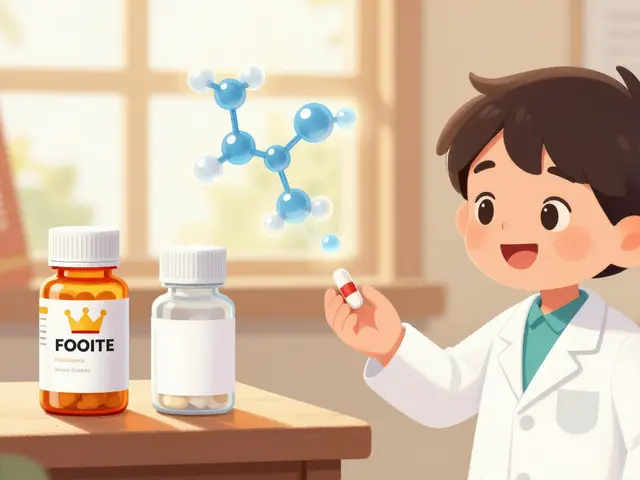
How to Safely and Legally Buy Desyrel Online in 2026
Learn how to legally and safely buy Desyrel (trazodone) online in 2026. We cover the best telehealth platforms, pricing comparisons, and critical safety tips.

Cheap pills online can save money—or cause harm if you pick the wrong source. This page groups clear, practical articles about pharmaceuticals: how to buy safely, how to spot fakes, and how to find real alternatives when a drug isn’t right for you. Read short, action-focused guides that help you make smarter choices without medical jargon.
Check for a licensed pharmacy. A legitimate online pharmacy shows a physical address, real phone number, and license or regulatory seal. If a site refuses to verify these, walk away.
Look for a valid prescription policy. Sites that sell prescription-only drugs without asking for a prescription are risky. If you can get antibiotics, strong painkillers, or hormonal pills with no script, that’s a red flag.
Compare prices—but don’t chase impossible deals. Very low prices can mean counterfeit or expired products. Use price checks across a few reputable vendors and read recent customer reviews focused on delivery and product quality.
Verify the packaging and paperwork. When your order arrives, check expiration dates, batch numbers, and patient info leaflets. Keep originals until you’re sure the medication is correct and working for you.
Use secure payment and HTTPS. Avoid sites that only accept unusual payment methods or don’t encrypt checkout data. Credit card payments give more protection if something goes wrong.
Not every drug fits every person. If a medication causes side effects or doesn’t work, look for alternatives by active ingredient or drug class. For example, if statins aren’t suitable, options include ezetimibe or newer PCSK9 drugs—our articles break down pros and cons and who they suit.
Some alternatives are over-the-counter; some need a prescription. OTC fixes can help short-term (like some antacids or mild diuretics), but serious conditions need a clinician’s input. If you have chest pain, severe shortness of breath, high fever, pregnancy concerns, or sudden allergic reactions, contact a doctor right away.
Ask your provider about interactions and dosing. Switching drugs isn’t just a swap—timing, dose, and interactions matter. Keep an up-to-date list of all medicines and supplements and share it with any prescriber or pharmacist.
Read focused guides on this site for clear, practical help: how to buy Esomeprazole or Levlen safely, safe options when you can’t take simvastatin, OTC diuretics vs Lasix, and comparisons of drugs like Misoprostol and Cytotec alternatives. Each guide tells you what to check, common risks, and when professional care is needed.
Store medicines as instructed, keep them out of children’s reach, and dispose of unused drugs properly. If something feels off—unexpected side effects, wrong packaging, or a seller who won’t answer questions—stop using the product and ask a healthcare professional or your pharmacist.
Use these pages to get practical steps, not scary warnings. Our goal is to help you find safe options and ask better questions at the pharmacy or clinic.
 20 Apr 2026
Learn how to legally and safely buy Desyrel (trazodone) online in 2026. We cover the best telehealth platforms, pricing comparisons, and critical safety tips.
 19 Apr 2026
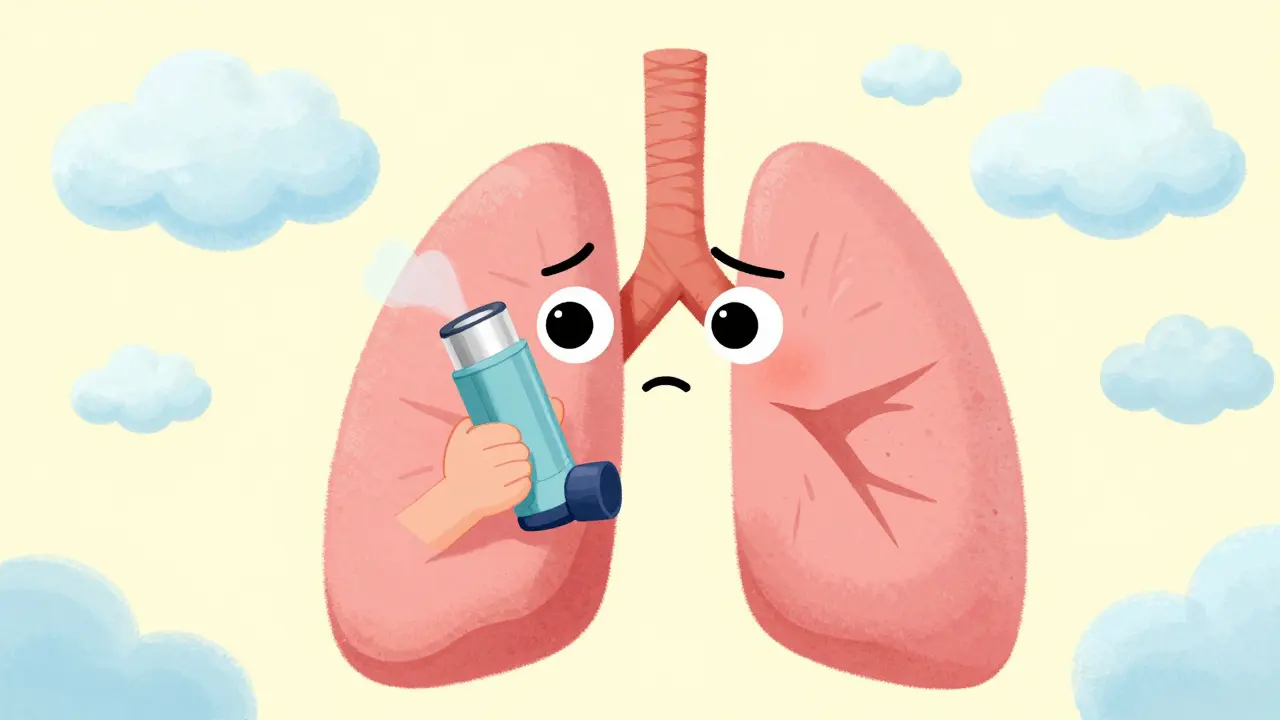
Save money on your rescue inhaler. Compare 2026 prices for generic albuterol from Amazon, GoodRx, and more. Learn how to buy safely and legally online.
 8 Apr 2026
Learn why insurers require prior authorization for NTI drugs and how to get brand-name medications approved for conditions like epilepsy and hypothyroidism.
 5 Apr 2026
Learn how to use the FDA Orange Book to verify if a generic drug is therapeutically equivalent to its brand-name version. Master AB ratings and TE codes.
 30 Mar 2026
Can you take fish oil with blood thinners? This guide breaks down the real risks of combining omega-3 supplements with Warfarin or DOACs, covering safe doses and monitoring protocols.
 23 Mar 2026
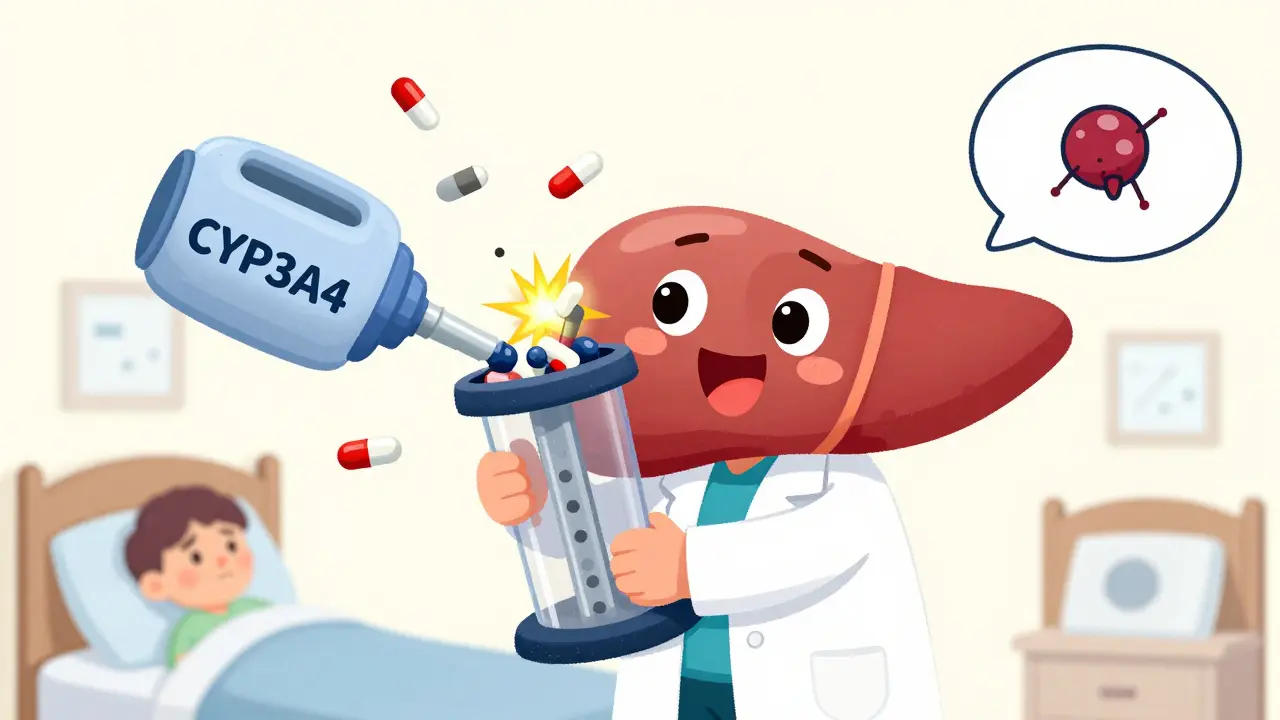
Rifampin can slash anticoagulant and antiviral levels by up to 80%, leading to dangerous clotting or treatment failure. Learn how this common TB drug interferes with blood thinners and HIV meds-and what to do instead.
 22 Mar 2026
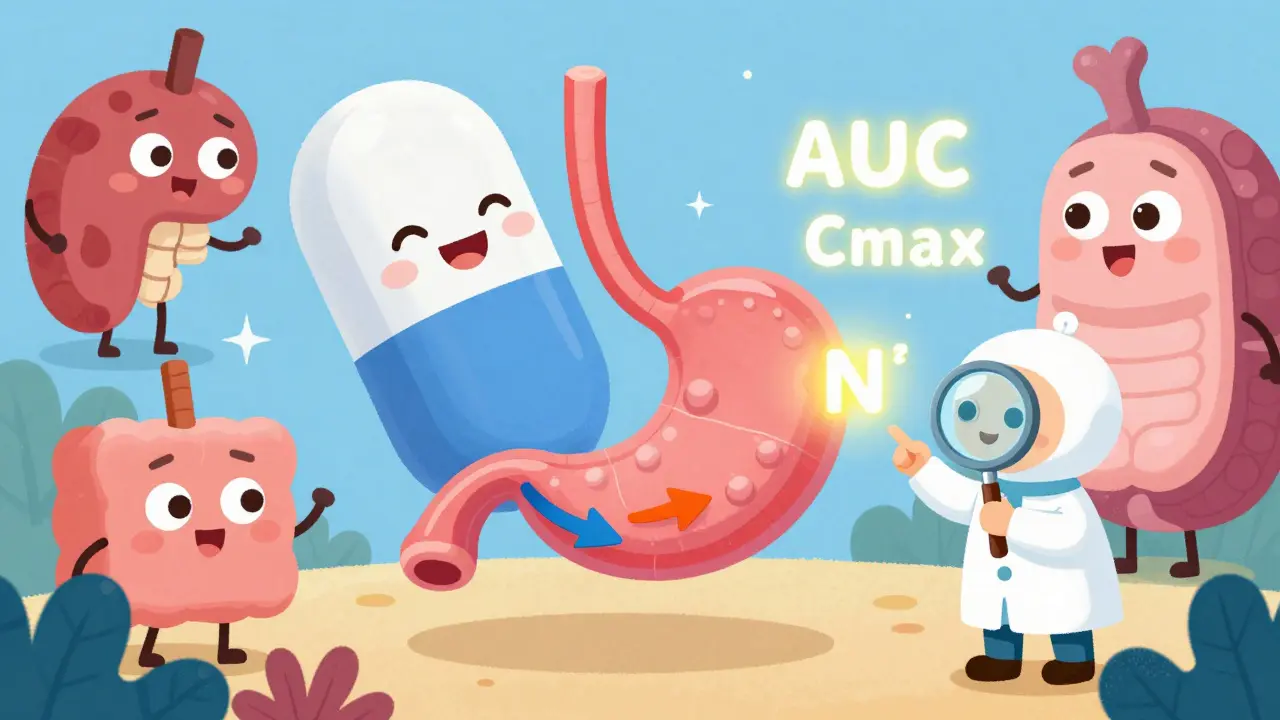
Learn how bioavailability and bioequivalence determine whether generic drugs work as well as brand-name ones. Understand the science behind drug testing, regulatory standards, and real-world outcomes.
 18 Mar 2026
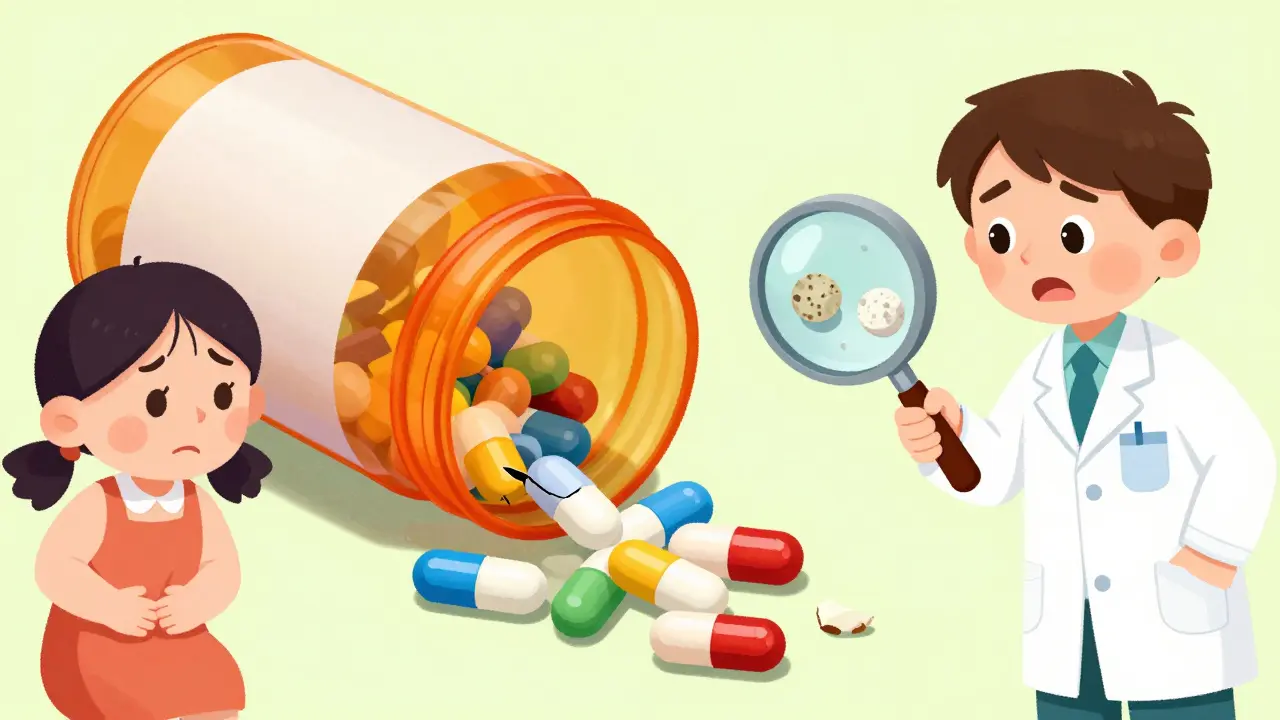
Generic drugs save money but face higher defect rates due to cost pressures. Common issues include tablet cracking, inconsistent dosing, and contamination-risks that affect patient safety. Learn how manufacturing flaws happen and what you can do.
 8 Mar 2026
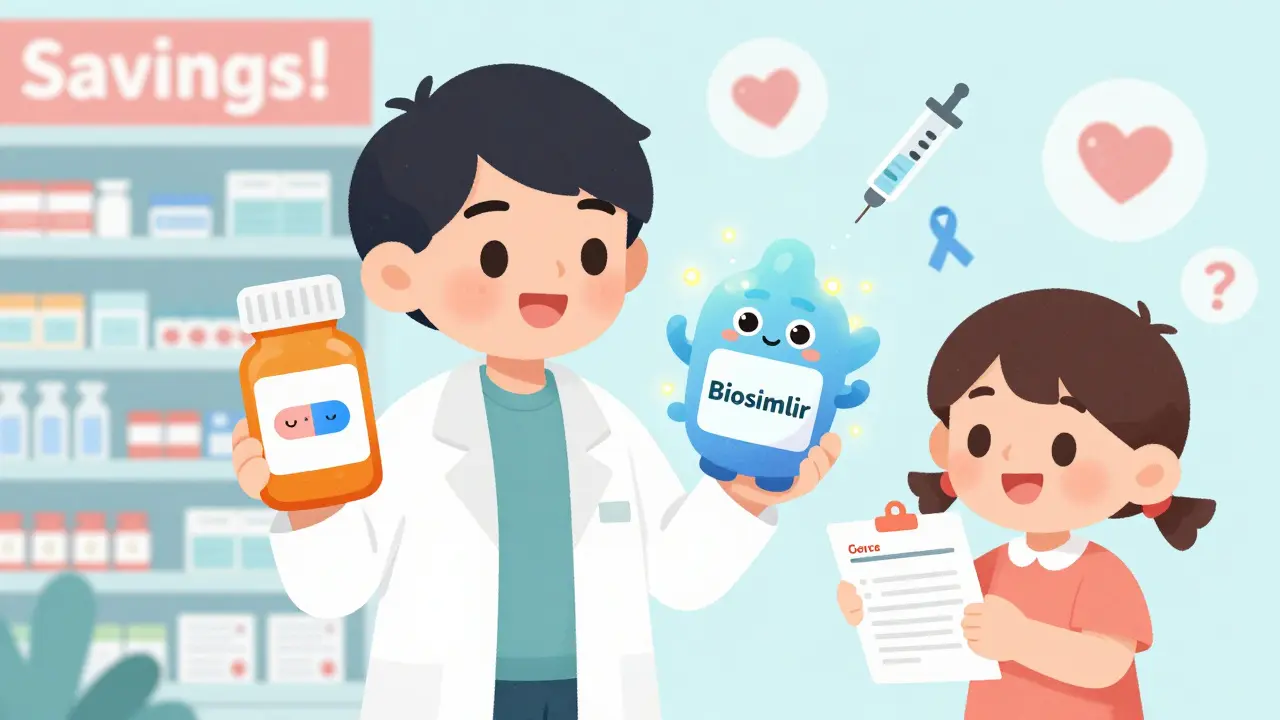
Biosimilars and generics both lower drug costs, but they’re not the same. Learn how they differ in science, cost, and use-so you can choose the right option for your treatment.
 2 Mar 2026
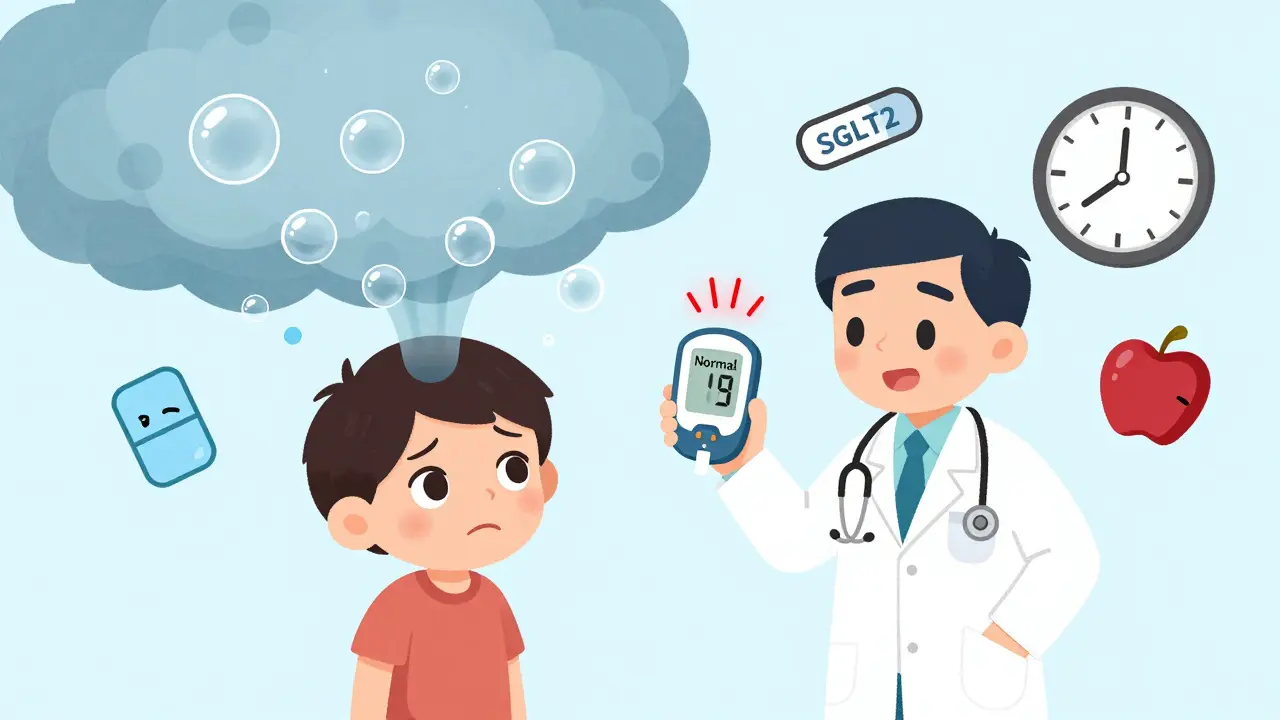
Euglycemic DKA on SGLT2 inhibitors is a dangerous form of diabetic ketoacidosis with normal or low blood sugar. Learn how to recognize the symptoms, diagnose it with ketone testing, and treat it in emergencies - before it's too late.