Economic Impact of Patent Expiration: When Drug Prices Drop
When pharmaceutical patents expire, drug prices typically drop by 80% or more-but not always. Learn how generics work, why some drugs stay expensive, and how patients can save thousands.

 9 Feb 2026
When pharmaceutical patents expire, drug prices typically drop by 80% or more-but not always. Learn how generics work, why some drugs stay expensive, and how patients can save thousands.
 8 Feb 2026
Antipsychotics are commonly prescribed for dementia-related agitation, but they double stroke risk and increase death rates in seniors. Learn why these drugs are dangerous, what alternatives work better, and how families can protect their loved ones.
 7 Feb 2026
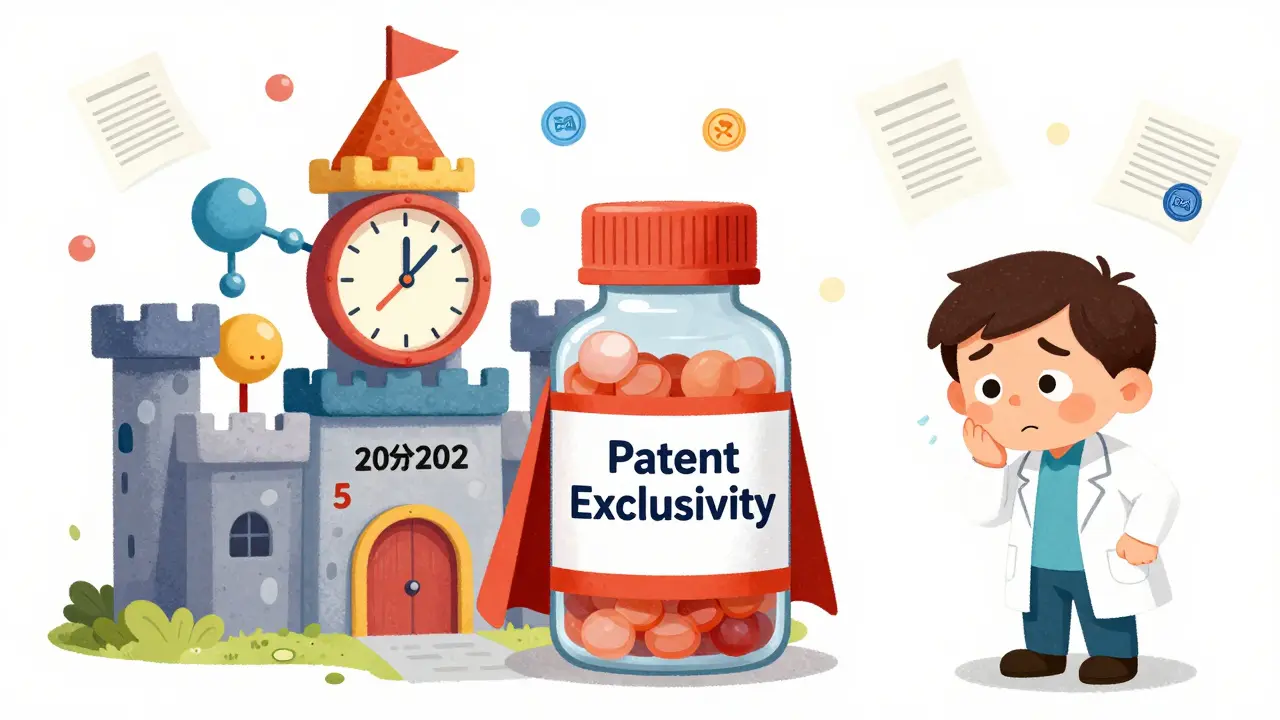
Patent exclusivity and market exclusivity are two separate legal tools that block generic drugs from entering the market. One comes from the patent office, the other from the FDA - and understanding the difference explains why some drugs stay expensive for years after patents expire.
 2 Feb 2026
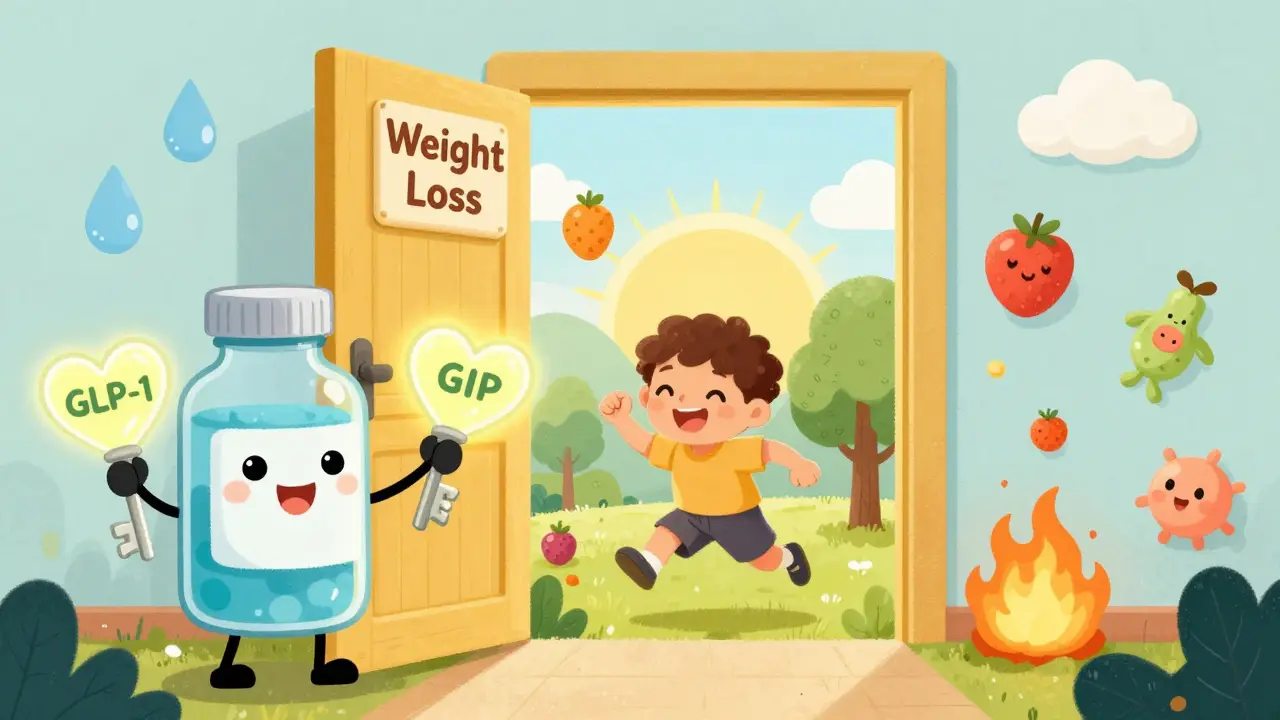
Tirzepatide (Zepbound) is a dual GLP-1 and GIP agonist that helps people lose up to 22.5% of their body weight. Learn how it works, what to expect, side effects, costs, and how it compares to other weight-loss drugs.
 26 Jan 2026
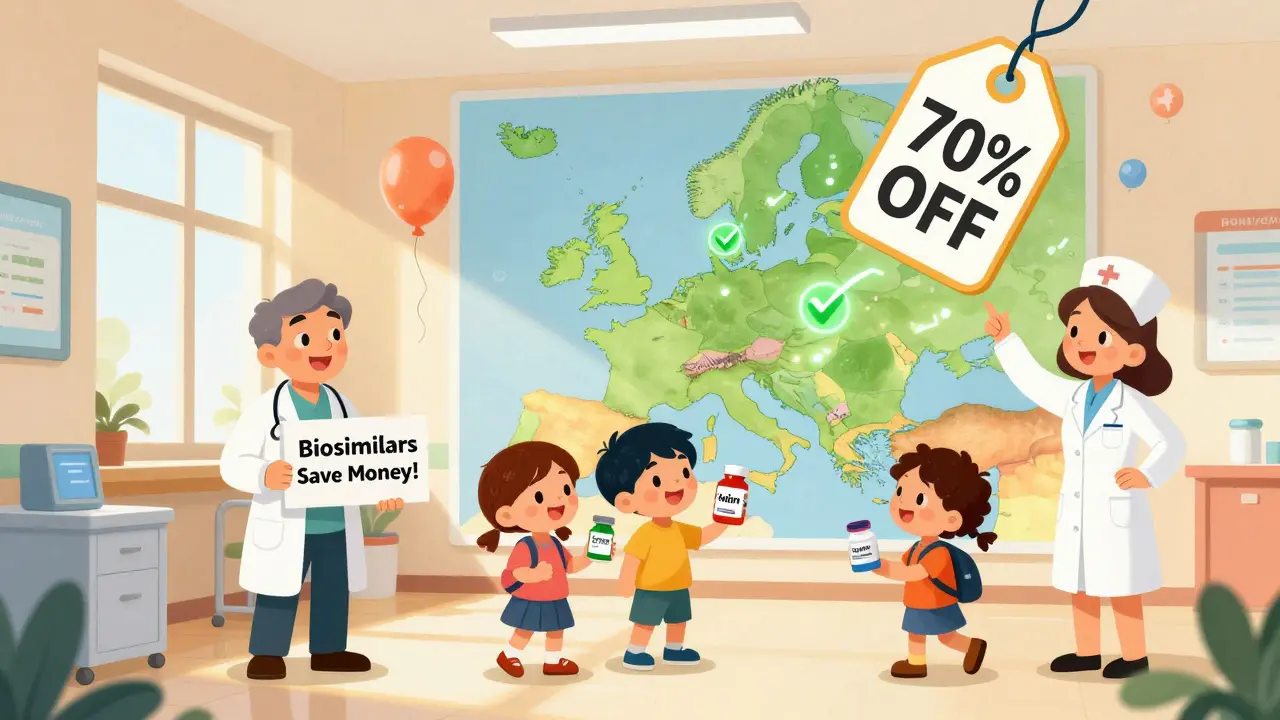
Europe adopted biosimilars early with clear rules and high adoption. The US lagged due to patents and regulatory hurdles-but is now catching up fast. Here's how the two markets differ and why it matters for patients and costs.
 21 Jan 2026
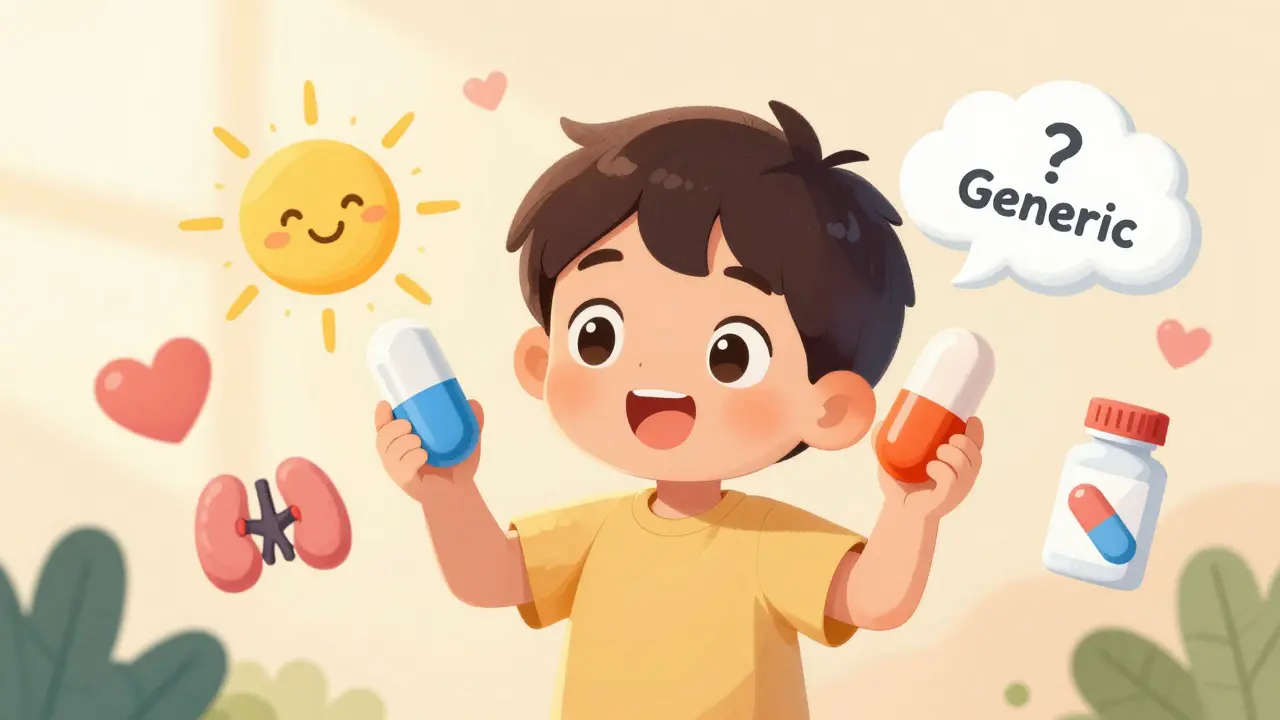
Long-term safety studies show generics are generally as safe as brand drugs, but critical exceptions exist - especially for narrow therapeutic index medications. Manufacturer, origin, and individual response matter more than brand vs generic labels.
 19 Jan 2026
Learn how to stop dangerous early refills and duplicate therapy mistakes in pharmacy practice using proven protocols, EHR tools, and staff training to improve medication safety and prevent overdose risks.
 17 Jan 2026
Not all antiemetics are safe for everyone. Some can dangerously prolong the QT interval or cause severe drowsiness. Learn which drugs carry the highest cardiac risks and how to choose safer alternatives for nausea and vomiting.
 14 Jan 2026
Combining tizanidine and ciprofloxacin can cause dangerous drops in blood pressure and extreme drowsiness due to a powerful drug interaction. Learn why this combo is risky and what to do instead.
 11 Jan 2026
Bioequivalent medications are generic drugs proven to work the same as brand-name versions in the body. Learn how regulators test for equivalence, when it matters, and what you should know before switching.