SPC Hypertension: What It Is, How It's Managed, and What You Need to Know
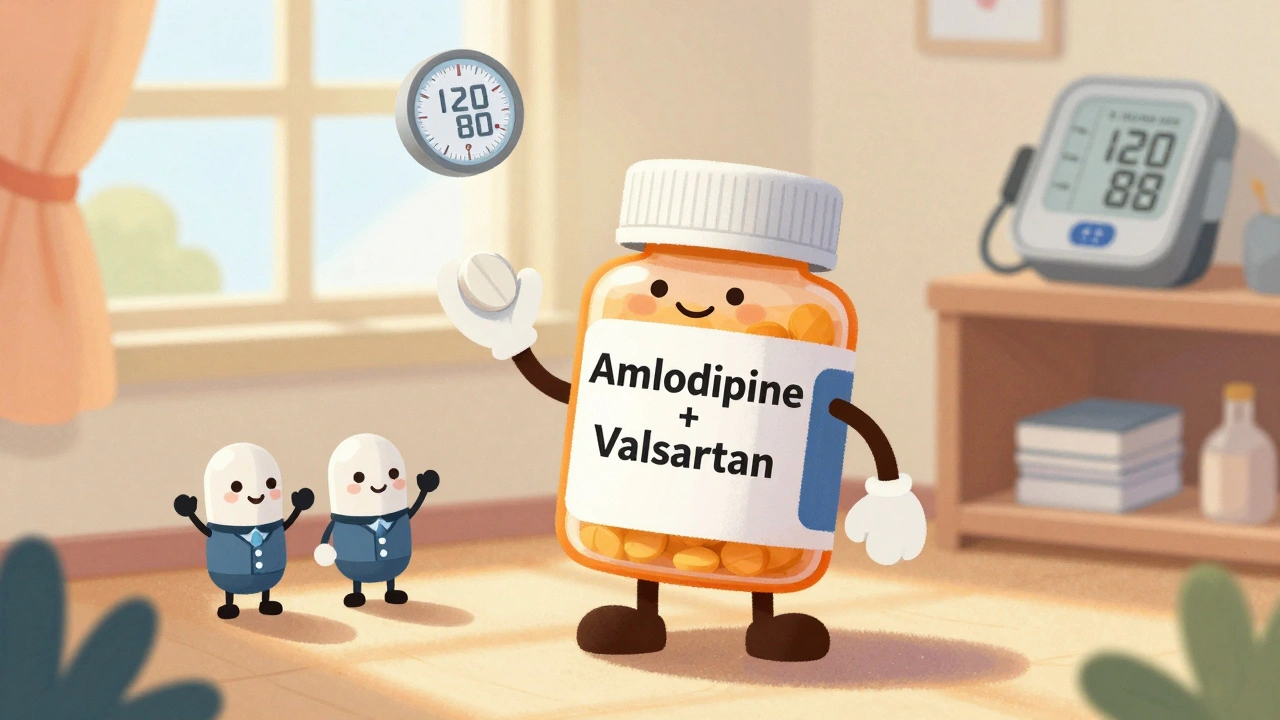
When doctors talk about SPC hypertension, a single-pill combination of two or more antihypertensive drugs used to treat high blood pressure. Also known as fixed-dose combination therapy, it’s not just a convenience — it’s one of the most effective ways to get blood pressure under control without overwhelming patients with multiple pills. Most people with high blood pressure need more than one drug to reach their target. Instead of taking three separate tablets a day, SPCs pack them into one. That sounds simple, but the real benefit? People actually take them. Studies show adherence jumps by 20% to 30% when patients switch from multiple pills to a single daily tablet.
SPC hypertension isn’t random. The combinations are carefully chosen based on how drugs work together. For example, an ACE inhibitor, a class of blood pressure drugs that relax blood vessels by blocking a hormone that narrows them paired with a calcium channel blocker, a drug that stops calcium from entering heart and blood vessel cells, helping them relax is common because they hit different pathways. This combo lowers blood pressure more than either drug alone, with fewer side effects. But not all combos are equal. Some, like an ACE inhibitor with a diuretic, are proven to reduce stroke risk. Others, like combining two drugs that both slow heart rate, can be risky — especially in older adults.
Therapeutic equivalence matters here. Not every generic version of an SPC performs the same. The FDA uses codes like AB to flag which generics can be swapped without risk. But if your SPC suddenly stops working — your numbers creep up, you feel dizzy, or your legs swell — it might not be your body. It could be a problem generic, a generic version that doesn’t deliver the same blood levels as the brand or other generics. Pharmacists watch for this. They know which brands have tighter manufacturing controls and which batches cause complaints. If your SPC feels different, speak up. Ask if you’re getting the same formulation you started with.
And then there’s adherence. High blood pressure doesn’t hurt. That’s why people skip doses. SPCs help, but they’re not magic. You still need to take them every day. That’s where reminders, pill organizers, and clear communication with your pharmacist come in. If your SPC causes a cough, swelling, or fatigue, don’t just quit. Talk to your provider. There’s almost always another combo that works better. Some people do better with an ARB instead of an ACE inhibitor. Others need a low-dose diuretic added. The goal isn’t just to lower numbers — it’s to keep you healthy for years, not just months.
What you’ll find below is a collection of real, practical guides that connect directly to SPC hypertension. You’ll see how drug interactions affect your combo, why some generics fail silently, how to spot when your blood pressure meds aren’t working, and what questions to ask your pharmacist before you leave the counter. These aren’t theory pieces. They’re from people who’ve been there — managing SPCs, dealing with side effects, and fighting to stay on track. Whether you’re new to blood pressure treatment or have been on SPCs for years, this is the stuff that actually changes outcomes.