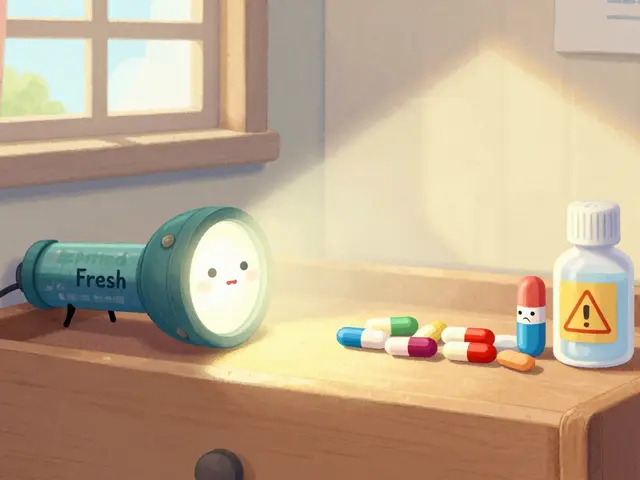
Generic Drugs and Medication Safety in 2025: What You Need to Know

When you pick up a prescription, you might not realize you’re holding a generic drug, a medically identical version of a brand-name medication approved by the FDA through the Abbreviated New Drug Application (ANDA) process. Also known as non-brand medication, it’s what keeps millions of people affordable access to treatment—yet it’s also where things can go wrong. The system works because generics must prove they’re therapeutic equivalence, the FDA’s official standard for determining if a generic can safely replace a brand-name drug. Also known as AB rating, it’s printed in the Orange Book and tells pharmacists and doctors whether substitution is safe. But when manufacturers cut prices too low, they stop making the drug. That’s how we get drug shortages, when essential medicines vanish from shelves because no one is making them profitably. Also known as pharmaceutical supply gaps, they hit hardest for cheap, high-volume generics like antibiotics, blood pressure pills, and chemotherapy drugs. This isn’t a glitch—it’s a flaw in the market. And it’s not just about availability. Sometimes, a generic works differently than expected. Pharmacists are trained to spot these problem generics, medications that look right but don’t behave the same in the body. Also known as therapeutic failure, they’re rare, but when they happen, they can mean hospital visits or worse.

It’s not just about the pills themselves—it’s about how you take them. Medication adherence, the act of taking your drugs exactly as prescribed. Also known as compliance, it’s the single biggest factor in whether treatment works. Side effects, confusion, cost, and forgetfulness all break that chain. That’s why tools like pill organizers, smartphone alarms, and pharmacy counseling matter. But even the best reminder won’t help if you’re scared of side effects or don’t know how to talk to your pharmacist. That’s why posts from this month dive into real-world strategies: how to ask the right questions at the counter, how to handle nausea from GLP-1 drugs like Ozempic, how to spot dangerous interactions between beta-blockers and calcium channel blockers, and how to store emergency meds like naloxone so they’re ready when you need them—fast and safe.

And it’s not just adults. Cancer patients face financial toxicity—the hidden cost of treatment that forces people to choose between medicine and rent. Older adults juggle multiple prescriptions and worry about interactions. People with IBS, back pain, or allergies need clear, science-backed advice—not guesswork. This collection doesn’t just list facts. It gives you the tools to protect yourself, ask better questions, and understand why your medication works—or doesn’t. Below, you’ll find 18 detailed guides written for real people dealing with real problems. No fluff. No jargon. Just what you need to stay safe, informed, and in control of your health.

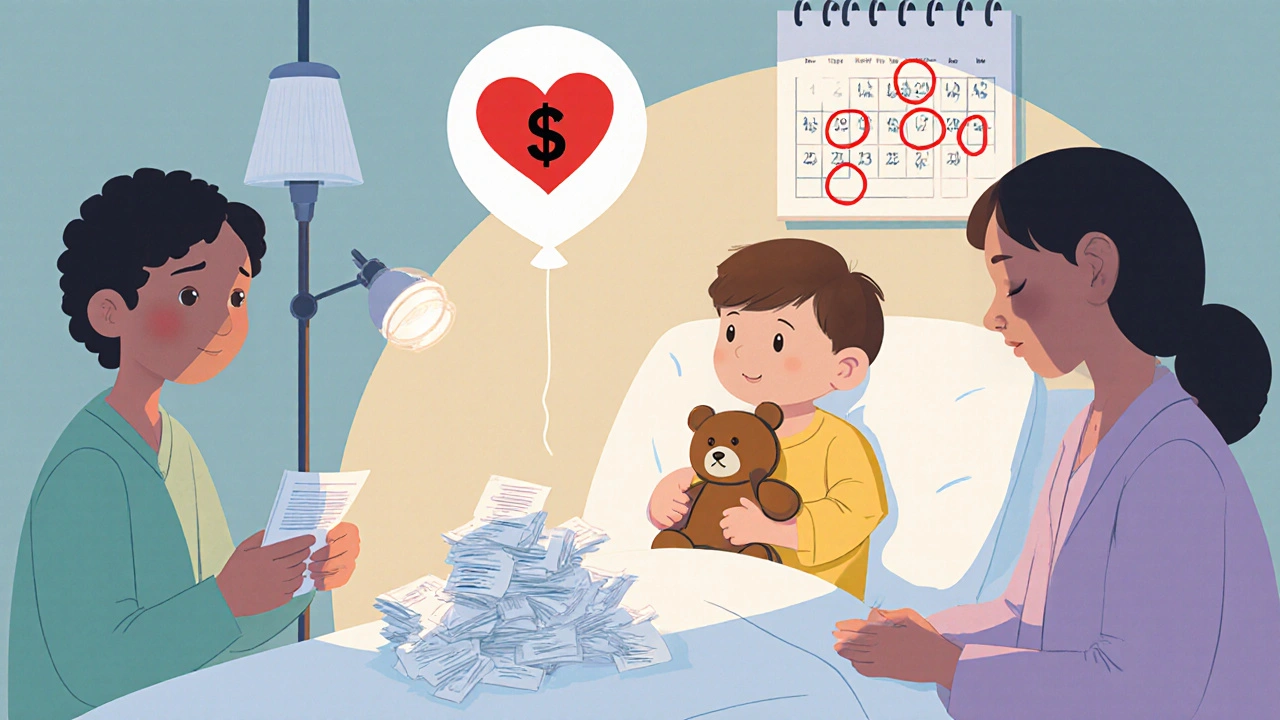
Financial Toxicity in Cancer Care: How to Manage Treatment Costs and Avoid Financial Ruin 29 Nov 2025
Financial Toxicity in Cancer Care: How to Manage Treatment Costs and Avoid Financial Ruin

Financial toxicity in cancer care is the hidden crisis of unaffordable treatment costs that force patients to skip doses, lose income, and face emotional ruin. Learn how to find help and protect your financial future.

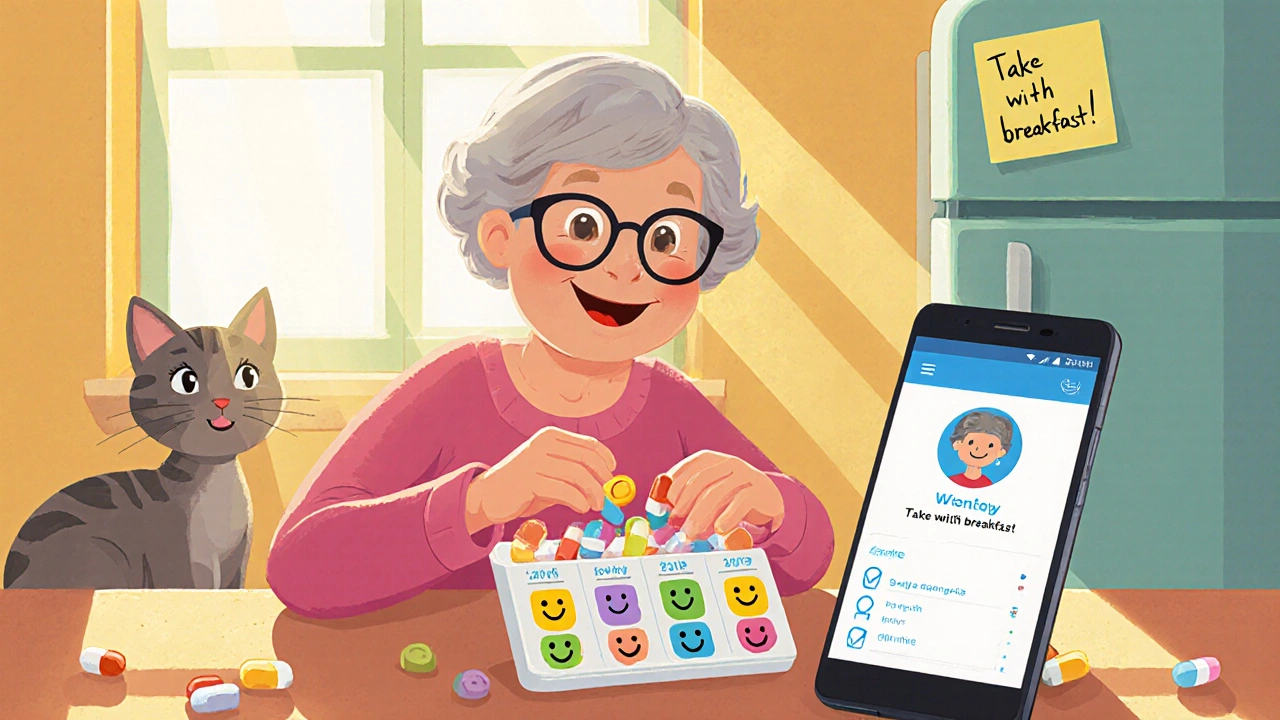
Medication Reminder Strategies: Apps, Alarms, and Organizers for Better Adherence 28 Nov 2025
Medication Reminder Strategies: Apps, Alarms, and Organizers for Better Adherence

Discover proven medication reminder strategies using apps, alarms, and organizers to improve adherence, reduce health risks, and avoid costly hospital visits. Learn what works-and what doesn’t-based on real user data and expert research.

Generic Drug Shortages: When Too Much Competition Hurts Supply 27 Nov 2025
Generic Drug Shortages: When Too Much Competition Hurts Supply

Generic drug shortages aren't caused by lack of competition-they're caused by too much of it. When prices drop too low, manufacturers quit, leaving patients without essential medicines.

Irritable Bowel Syndrome: Symptoms, Triggers, and Medication Options 25 Nov 2025
Irritable Bowel Syndrome: Symptoms, Triggers, and Medication Options

Learn about Irritable Bowel Syndrome symptoms, common triggers like food and stress, and proven medication options including low-FODMAP diet, gut-directed therapy, and FDA-approved drugs for IBS-D, IBS-C, and mixed types.

Top Medication Safety Questions to Ask at the Pharmacy Counter 23 Nov 2025
Top Medication Safety Questions to Ask at the Pharmacy Counter

Knowing what to ask at the pharmacy can prevent dangerous medication errors. Learn the top questions to ask about side effects, interactions, storage, and dosing to stay safe with your prescriptions.

SSRI Side Effects: Complete Overview from Mild to Severe 22 Nov 2025
SSRI Side Effects: Complete Overview from Mild to Severe

SSRIs help millions with depression and anxiety, but side effects like sexual dysfunction, weight gain, and nausea are common. Learn what’s normal, what’s serious, and how to manage them effectively.

Communicating with Prescribers: When Pharmacists Recommend Generics 21 Nov 2025
Communicating with Prescribers: When Pharmacists Recommend Generics

Pharmacists play a critical role in recommending generic drugs to save costs and improve adherence. Learn how they communicate with prescribers using FDA guidelines, the Orange Book, and evidence-based strategies to ensure safe, effective substitutions.

Low Back Pain: How to Spot Red Flags, When to Get Imaging, and What Exercise Therapy Actually Works 20 Nov 2025
Low Back Pain: How to Spot Red Flags, When to Get Imaging, and What Exercise Therapy Actually Works

Learn how to spot dangerous red flags in low back pain, when imaging is actually needed, and which types of exercise therapy work best based on the latest clinical evidence.

Pollen Forecasting: Plan Outdoor Activities Around Peak Allergen Days 19 Nov 2025
Pollen Forecasting: Plan Outdoor Activities Around Peak Allergen Days

Use pollen forecasts to plan outdoor activities around peak allergen days. Learn when pollen counts are highest, how to interpret daily levels, and which apps give the most accurate local data for better allergy control.

FDA’s Abbreviated New Drug Application Process Explained: How Generic Drugs Get Approved 19 Nov 2025
FDA’s Abbreviated New Drug Application Process Explained: How Generic Drugs Get Approved

The FDA's Abbreviated New Drug Application (ANDA) process lets generic drugs reach the market faster and cheaper by proving equivalence to brand-name drugs. It saves billions annually and powers 90% of U.S. prescriptions.