SAMe Side Effects: What You Need to Know Before Taking This Supplement
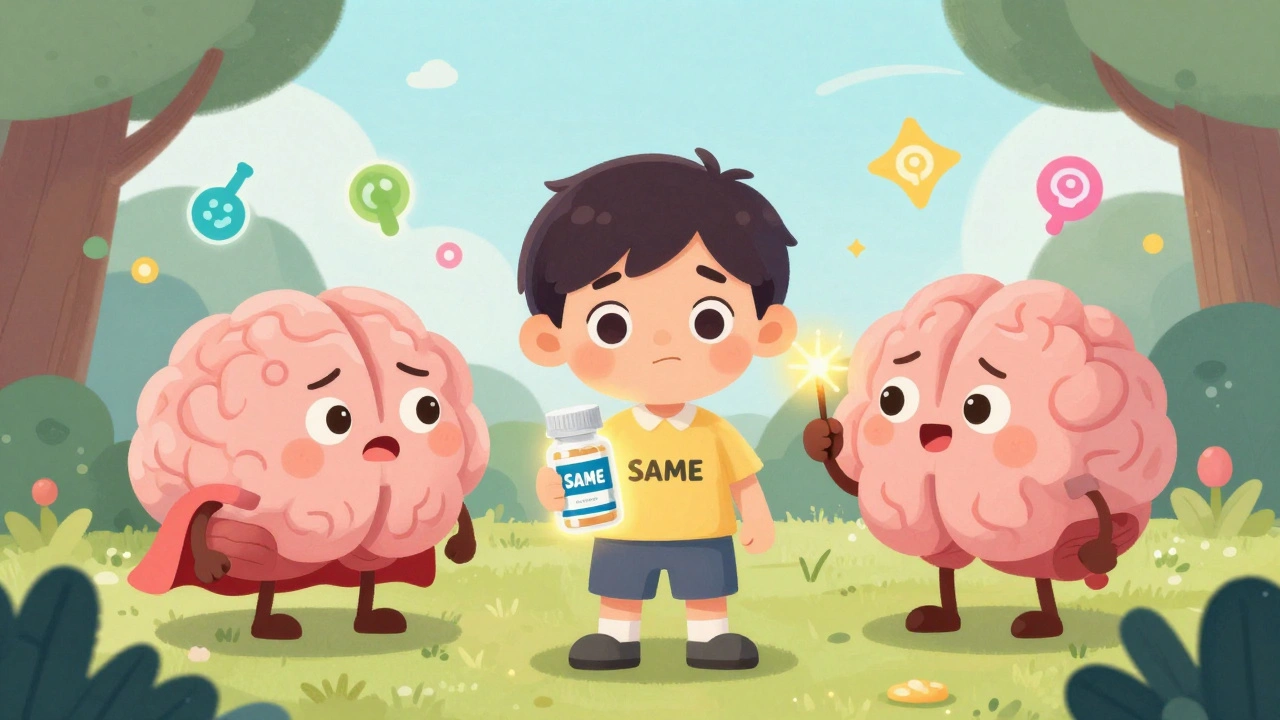
When people talk about SAMe, a naturally occurring compound in the body used as a dietary supplement for mood and joint support. Also known as S-adenosylmethionine, it's often taken to help with depression, osteoarthritis, and liver issues. But just because it’s natural doesn’t mean it’s harmless. Many users report mild side effects like stomach upset, nausea, or headaches—especially when they start taking it. For some, these fade after a few days. For others, they stick around and make the supplement more trouble than it’s worth.
SAMe doesn’t play well with everything. If you’re on SSRIs, a common class of antidepressants like Prozac or Zoloft, mixing them with SAMe can push serotonin levels too high. That’s a red flag for serotonin syndrome—a rare but dangerous condition with symptoms like rapid heart rate, confusion, and muscle rigidity. It’s not something you want to gamble with. And if you have bipolar disorder, a mental health condition involving extreme mood swings, SAMe might trigger mania. That’s why doctors often warn against it unless you’re under close supervision.
It’s also not for everyone. People with Parkinson’s disease should avoid it—it can worsen symptoms. Those on blood thinners or with a history of bleeding disorders should check with their provider too. Even though SAMe is sold over the counter, it acts like a drug in your body. It affects how your brain processes chemicals and how your liver handles toxins. That’s why side effects aren’t just random—they’re biological responses to something powerful.
And here’s the thing: most people don’t know how much they’re actually taking. Supplements aren’t regulated like prescription meds. One bottle of SAMe might have 400 mg, another 800 mg, and neither label tells you if it’s stable or even contains what it claims. That variability makes side effects harder to predict. What worked for your friend might overload your system.
So what’s the real story? SAMe can help some people feel better—especially those who haven’t responded to other treatments. But it’s not a magic pill. The side effects are real, the risks are real, and the lack of standardization is real too. If you’re thinking about trying it, talk to someone who knows your full health picture—not just a store clerk. You need to weigh the benefits against the risks, especially if you’re already on other meds. The posts below cover exactly that: real experiences, documented interactions, and practical advice on managing supplements safely. You’ll find what works, what doesn’t, and what to watch out for before you take another capsule.