Patient Safety: How to Avoid Medication Errors and Stay Protected
When you take a pill, you expect it to work—safely and as intended. But patient safety, the practice of preventing harm during medical care, especially from medications. Also known as medication safety, it’s not just about doctors and hospitals—it’s about what you know, ask, and do every day. Too many people assume their prescriptions are foolproof. They’re not. Every year, hundreds of thousands end up in emergency rooms because of simple mistakes: mixing drugs, skipping doses, or not knowing how a new generic version might behave differently. Patient safety starts with you.
One of the biggest risks? drug interactions, when two or more medications affect each other in dangerous ways. Green tea can throw off your warfarin. Grapefruit can turn a safe statin into a muscle-damaging hazard. Even something as common as SAMe with antidepressants can trigger serotonin syndrome—a life-threatening spike in brain chemicals. These aren’t rare edge cases. They’re listed in the FDA labels you never read. Then there’s therapeutic equivalence, how the FDA decides if a generic drug can truly replace the brand name. Not all generics are created equal. For drugs with a narrow therapeutic index—like warfarin, thyroid meds, or seizure drugs—even tiny differences in absorption can cause toxicity or treatment failure. That’s why medication adherence, taking your drugs exactly as prescribed, without skipping or changing doses isn’t just important—it’s a matter of life or death. If you stop taking your pills because of side effects, or if you switch generics without checking with your pharmacist, you’re playing Russian roulette with your health.
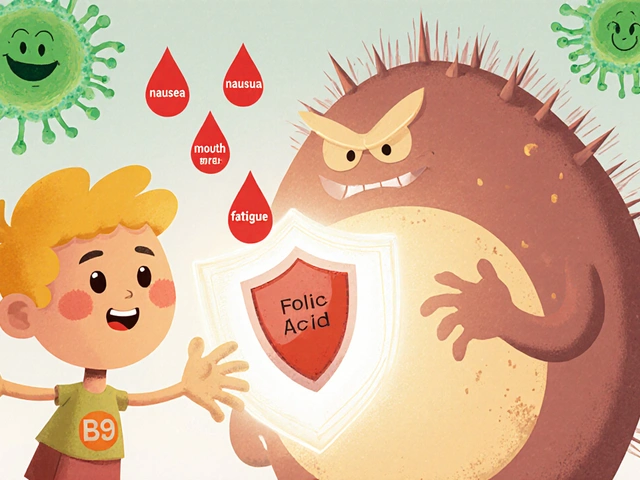
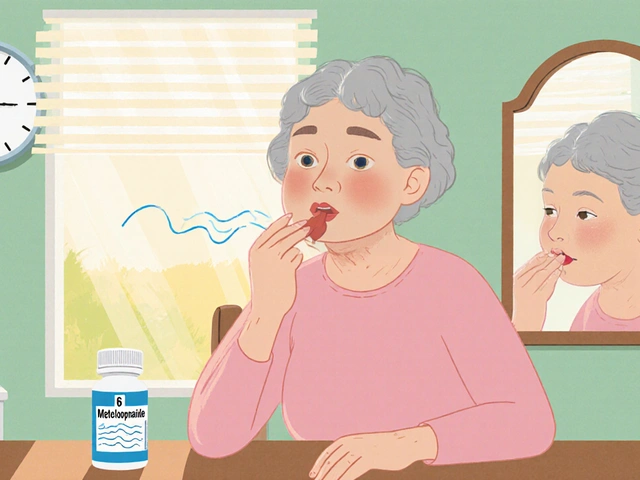
And it’s not just about the pills. It’s about the system. Pharmacists recommend generics to save money—but do they tell you if the switch could be risky? Do you know how to read an FDA label? What does "contraindicated" really mean? Can you spot the early signs of movement disorders from metoclopramide, or liver damage from methotrexate without folic acid? These aren’t questions for experts. They’re questions for anyone on meds. The posts below give you the exact tools to protect yourself: how to ask the right questions at the pharmacy, when to push back on a generic substitution, how to use pill organizers that actually work, and which emergency meds need to be locked up but still instantly reachable. This isn’t theory. It’s real-world guidance from people who’ve been there—patients, pharmacists, and doctors who’ve seen what happens when patient safety slips through the cracks.