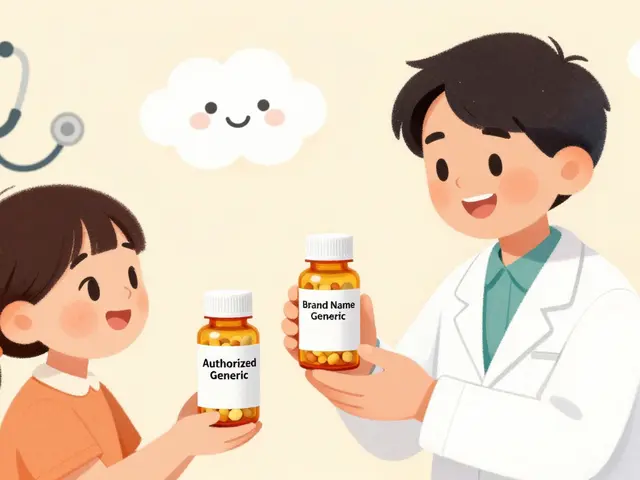
Medication Understanding: How to Know What You're Taking and Why It Matters
When you take a pill, you're not just swallowing a substance—you're trusting a system built on science, regulation, and communication. Medication understanding, the ability to know what a drug does, how it affects your body, and how it interacts with other substances. Also known as drug literacy, it’s the difference between managing your health and being at its mercy. Most people don’t realize how much is hidden in plain sight: the tiny print on your prescription bottle, the code on the FDA’s Orange Book, the warning your pharmacist quietly slips in. Without medication understanding, even a simple change—like switching to a generic—can lead to side effects, dangerous interactions, or treatment failure.
Take FDA label terms, the official language used on drug packaging to guide safe use. Also known as prescribing information, it includes words like contraindication, precaution, and indication. These aren’t just legal jargon—they’re your warning system. For example, if a drug says "contraindicated with grapefruit," that’s not a suggestion. It’s a red alert. Similarly, therapeutic equivalence, how the FDA decides if a generic drug works just like the brand-name version. Also known as AB codes, it’s the invisible rule that tells pharmacists whether they can swap your meds without asking your doctor. But not all generics are created equal. For drugs with a narrow therapeutic index—like warfarin or thyroid meds—even a small difference in absorption can cause toxicity or make the treatment useless. That’s why drug interactions, when one medication changes how another works in your body. Also known as pharmacological interactions, they’re one of the top causes of preventable hospital visits. Green tea with warfarin? Grapefruit with statins? SAMe with antidepressants? These aren’t myths. They’re documented risks, and they’re all covered in the posts below.
And then there’s medication safety, the practice of using drugs correctly to avoid harm. Also known as drug safety, it’s not just about taking the right dose—it’s about asking the right questions at the pharmacy, recognizing early signs of side effects, and knowing when to speak up. Most people don’t realize they can—and should—ask their pharmacist: "Is this the same as what I took last month?" or "What happens if I miss a dose?" or "Could this interact with my tea or supplements?" The answers aren’t always obvious. A pill that looks identical might have a different release profile. A generic might be approved but not work the same for you. And when you’re on multiple meds, the risk stacks up fast.
What you’ll find here isn’t theory. It’s real-world guidance from people who’ve been there: the cancer patient fighting financial toxicity, the heart patient trying to avoid a GI bleed, the person on SSRIs wondering why they feel numb, the one who nearly missed a dose because no one told them how to set up a reminder. These posts cut through the noise. They tell you exactly what to watch for, what to ask, and when to push back. No fluff. No jargon. Just what you need to take control of your meds—before something goes wrong.