Green Tea Side Effects: What You Need to Know Before You Drink More
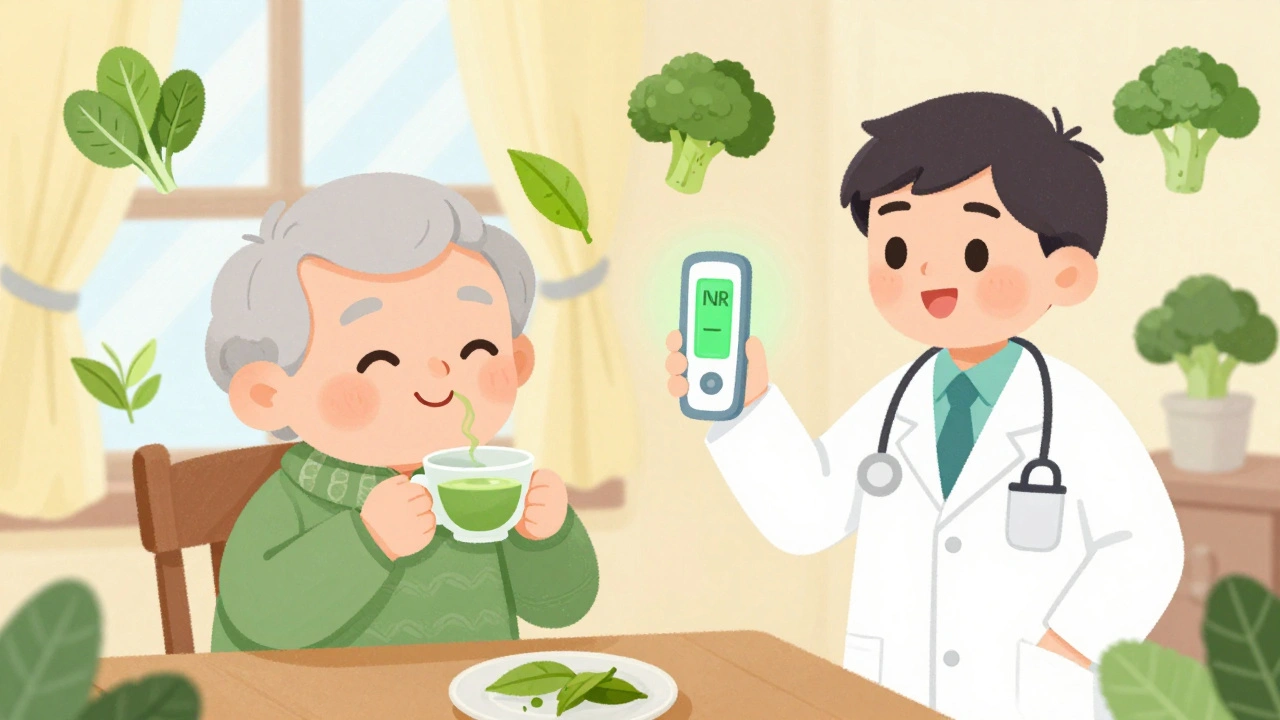
When you sip green tea, a widely consumed beverage made from the leaves of the Camellia sinensis plant, known for its antioxidant properties and mild stimulant effects. Also known as unfermented tea, it's often chosen as a healthier alternative to coffee—but it’s not harmless. While many people drink it daily without issue, green tea side effects can show up if you consume too much, take concentrated extracts, or use it with certain medications.
One of the biggest concerns is caffeine sensitivity, a reaction to the natural stimulant in green tea that can cause jitteriness, rapid heartbeat, or trouble sleeping. A typical cup has 20–45 mg of caffeine—less than coffee, but enough to disrupt sleep if you drink it late in the day. People with anxiety disorders or heart conditions should be careful. Then there’s iron absorption, how compounds in green tea can block the body’s ability to absorb non-heme iron from plant foods like spinach or beans. This matters most for vegetarians, pregnant women, or anyone with anemia. Drinking green tea between meals, not with them, helps reduce this risk.
Another hidden risk comes from green tea supplements, high-dose capsules or extracts sold for weight loss or detox. These aren’t the same as brewed tea. In rare cases, they’ve been linked to liver toxicity, a serious condition causing jaundice, nausea, and abdominal pain. The FDA has warned about multiple cases tied to these products. If you’re taking any prescription drugs—especially for depression, blood thinning, or heart rhythm—green tea can interfere. It can boost the effects of stimulants, reduce the power of beta-blockers, or increase bleeding risk when mixed with warfarin.
Most people can enjoy green tea safely—two to three cups a day is fine for most adults. But if you’ve ever felt sick after drinking it, had trouble sleeping, or noticed unusual fatigue, it might not be the harmless drink you thought. The posts below dig into real cases, dosing limits, interactions with common meds, and how to tell if your green tea habit is doing more harm than good. You’ll find practical advice from people who’ve been there, and clear warnings from medical experts.