GI Bleed Prevention: How to Reduce Risk and Stay Safe on Blood Thinners
When you're on blood thinners, medications like warfarin or apixaban that stop clots from forming to prevent strokes or heart attacks, your body loses some of its natural ability to seal small tears in the digestive tract. That’s why GI bleed prevention, the set of actions taken to avoid dangerous bleeding in the stomach or intestines isn’t optional—it’s essential. Even a minor ulcer or irritated lining can turn into a life-threatening bleed if you’re not careful. This isn’t just about avoiding aspirin; it’s about understanding how your meds, diet, and lifestyle work together—or against each other.
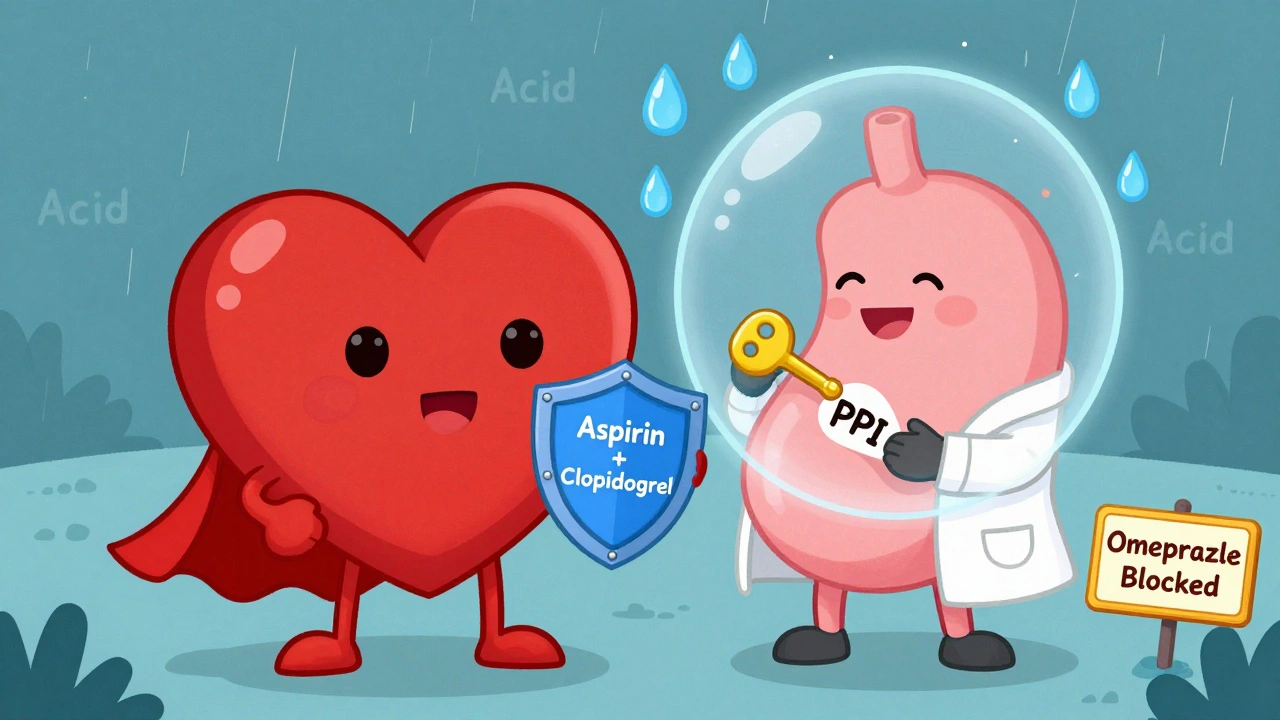
One of the biggest risks comes from NSAIDs, common painkillers like ibuprofen and naproxen that block protective stomach enzymes. Taking them while on a blood thinner? That combo is a known recipe for trouble. Studies show people on this mix have up to five times higher risk of GI bleeding than those on blood thinners alone. But you don’t have to give up pain relief. Proton pump inhibitors, drugs like omeprazole that reduce stomach acid and help heal the lining are often prescribed alongside blood thinners for exactly this reason. They’re not a magic shield, but they cut the risk significantly. Also, alcohol, smoking, and untreated H. pylori infections all make your stomach more vulnerable. Fixing one of these can do more than any pill.
It’s not just about what you take—it’s about what you don’t notice. A slow bleed might just mean feeling tired, dizzy, or having dark, tarry stools. Many people brush it off as "just aging" or "indigestion." But catching it early changes everything. Regular check-ins with your doctor, knowing your baseline hemoglobin levels, and asking about stool tests can catch trouble before it escalates. And if you’ve had a bleed before? That’s a red flag for another one. Prevention then becomes even more urgent.
Below, you’ll find real, practical advice from people who’ve walked this path. We’ve pulled together posts that show you how green tea affects warfarin, why SAMe can be risky with antidepressants, how to spot medication errors at discharge, and what to ask your pharmacist about drug interactions. These aren’t theoretical tips—they’re lessons learned from patients and clinicians who’ve seen the cost of ignoring GI bleed prevention. You don’t need to be a doctor to protect yourself. Just know what to watch for, what to ask, and when to act.