Generic Drug Substitution: What You Need to Know Before Swapping Prescriptions
When your pharmacist hands you a different pill than what your doctor wrote on the prescription, it’s usually generic drug substitution, the practice of replacing a brand-name medication with a chemically identical generic version approved by the FDA. Also known as therapeutic substitution, it’s not just a cost-saving trick—it’s a system built on science, regulation, and patient safety. Most of the time, it works fine. But not all generics are created equal, and skipping the right checks can lead to real problems.
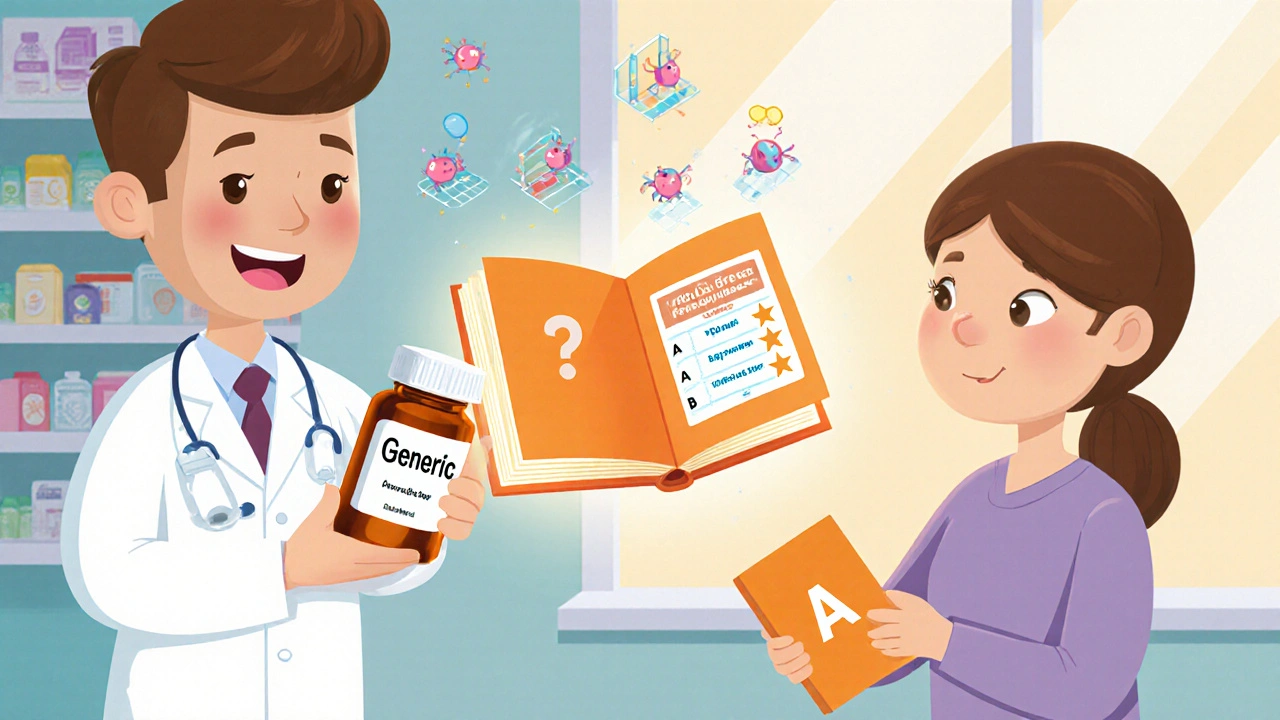
The FDA uses something called therapeutic equivalence, a rating system that tells pharmacists and doctors whether a generic drug can be safely swapped for the brand. Also known as AB codes, this system is published in the Orange Book and is the backbone of every substitution you see at the pharmacy. A drug with an AB rating means it’s proven to work the same way, in the same amount, in the same body. But if it’s rated B? That’s a red flag. It might be chemically similar, but the body doesn’t absorb or use it the same way. That’s why narrow therapeutic index (NTI) drugs, medications where even tiny changes in blood levels can cause toxicity or treatment failure like warfarin, levothyroxine, or phenytoin need extra care. For these, switching generics without monitoring can be dangerous.
Some generics work perfectly. Others? Not so much. Pharmacists have flagged issues with certain generics for epilepsy drugs, thyroid meds, and even antidepressants—where small differences in how the drug is absorbed can trigger seizures, mood swings, or withdrawal symptoms. The FDA’s Abbreviated New Drug Application (ANDA), the approval process that lets generics hit the market faster and cheaper doesn’t require new clinical trials. Instead, it relies on bioequivalence studies. But those studies are done on healthy volunteers, not people with complex conditions. And they don’t always catch how a drug behaves in someone with kidney disease, liver issues, or multiple other medications.
That’s why you need to know when to speak up. If your blood pressure suddenly spikes after a refill, or your depression gets worse after switching pills, it’s not all in your head. It might be the generic. You don’t need to be a doctor to ask: "Is this the same as what I was on before?" or "Is this an AB-rated generic?" Your pharmacist can check the Orange Book. Your doctor can request the brand if safety is a concern. And if you’re on a critical drug, ask about therapeutic drug monitoring, a blood test that measures exactly how much drug is in your system—it’s the only way to be sure the generic is doing what it’s supposed to.
There’s no magic rule that says generics are always better or always worse. But there are clear patterns. The safest swaps happen with simple, well-studied drugs. The riskiest ones are for conditions where precision matters. And if you’ve ever felt something was "off" after a refill, you’re not imagining it. The posts below break down real cases, FDA rules, pharmacist warnings, and how to protect yourself—whether you’re on a blood thinner, an antidepressant, or a seizure med. You’re not just saving money. You’re managing your health. Know how to do it right.