Generic Blood Pressure Pills: What They Are, How They Work, and What to Watch For
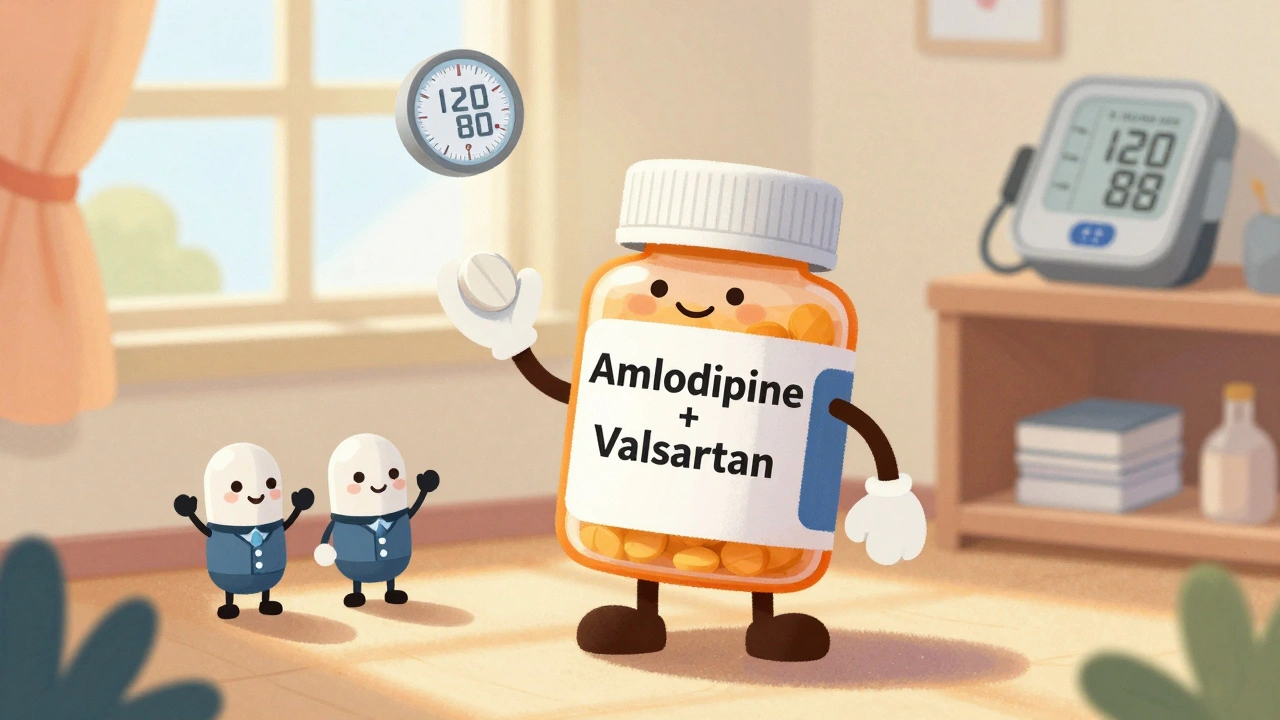
When you hear generic blood pressure pills, affordable versions of brand-name hypertension medications that meet the same FDA standards for safety and effectiveness. Also known as generic antihypertensives, they make up over 90% of prescriptions filled in the U.S. and save patients billions each year. But here’s the thing: not every generic works the same for everyone. Some people notice a difference—sometimes subtle, sometimes serious—when switching from brand to generic. That’s not because generics are inferior. It’s because blood pressure meds, especially those with a narrow therapeutic index, demand precision. A tiny change in how the drug is absorbed can mean your blood pressure swings too high or too low.
That’s where therapeutic equivalence, the FDA’s system for rating whether a generic drug can be safely swapped for the brand. Also known as AB codes, it tells pharmacists which substitutions are approved. Only drugs rated "AB" are considered fully interchangeable. For blood pressure meds like lisinopril or amlodipine, that’s usually fine. But for drugs like warfarin or levothyroxine—even though they’re not in your list—small differences matter more. The same caution applies to some generic versions of beta-blockers or diuretics, especially if you’ve been stable on a brand for years. Your pharmacist can check the Orange Book, the FDA’s official database listing approved generics and their therapeutic equivalence ratings. Also known as Approved Drug Products with Therapeutic Equivalence Evaluations, it’s the bible for safe substitutions. If your generic suddenly feels different, don’t assume it’s all in your head. Track your readings. Talk to your pharmacist. Ask if the manufacturer changed. Sometimes, the same generic from two different companies acts differently.
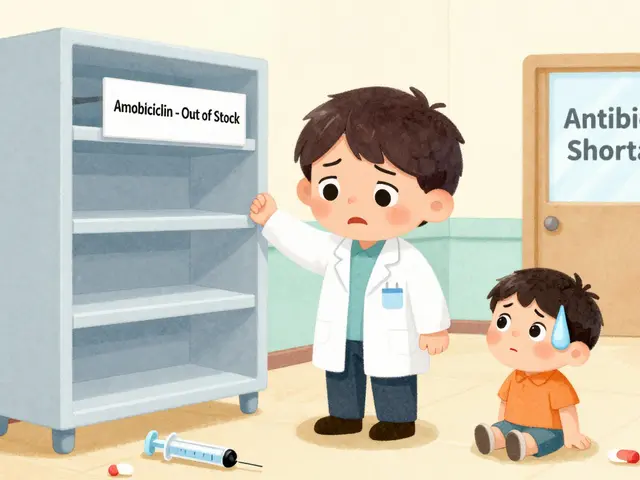
And here’s something most people don’t realize: the reason some generic blood pressure pills disappear from shelves isn’t because of shortages—it’s because the price got too low. When manufacturers can’t make a profit selling a $5 pill, they stop making it. That’s why generic drug shortages, sudden gaps in supply caused by economic pressures on low-margin medications. Also known as pharmaceutical supply chain failures, they’re becoming more common for older, cheap generics like hydrochlorothiazide or metoprolol. You might get a different brand next time you refill. That’s normal. But if your blood pressure jumps after the switch, it’s not just bad luck—it’s a signal to check in with your provider.
What you’ll find below isn’t just a list of articles. It’s a practical guide to navigating the real-world world of generic blood pressure meds. From how the FDA approves them under the Abbreviated New Drug Application, the streamlined process that lets generic drugs enter the market without repeating full clinical trials. Also known as ANDA, it’s the reason generics exist at all., to when pharmacists should flag a problematic batch, to how to spot if your meds aren’t working like they used to. You’ll learn how to ask the right questions at the pharmacy, understand why some generics are riskier than others, and what to do if your insurance switches your pill without telling you. This isn’t theory. It’s what happens when money, science, and your health collide—and how to protect yourself in the middle of it all.