Drug Labeling: What’s on the Bottle and Why It Matters
When you pick up a prescription, the drug labeling, the official text and symbols printed on medication packaging that guide safe use. Also known as prescription labeling, it’s not just fine print—it’s your first and most important line of defense against mistakes, interactions, and side effects. Most people glance at the name and dosage, then toss the leaflet. But that’s where the danger starts. The FDA requires every label to include the drug’s name, strength, usage instructions, warnings, storage info, and active ingredients. But what’s left out? That’s often the real problem.
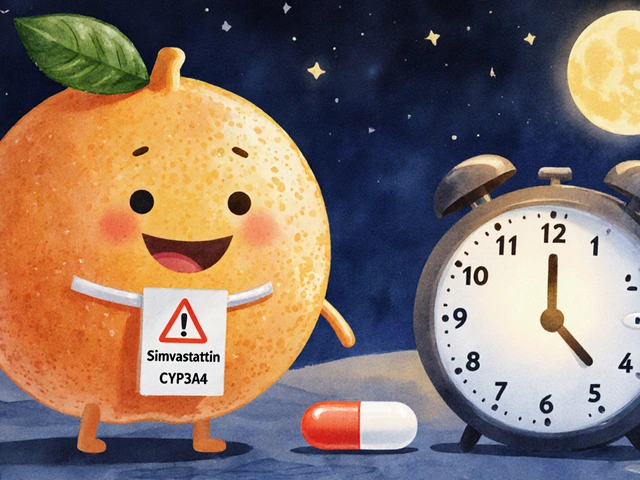
Drug labeling doesn’t just tell you how to take a pill—it tells you when not to. For example, if you’re on warfarin, the label might not scream "avoid green tea," but the fine print warns about vitamin K interactions. Same with grapefruit and statins: the label says "avoid grapefruit juice," but most patients miss it because they’re not looking for it. And when generics are swapped in, the label stays the same—but the active ingredient’s bioavailability might shift, especially with narrow therapeutic index drugs like levothyroxine or warfarin. That’s why therapeutic equivalence codes, FDA ratings that tell pharmacists if a generic can be safely substituted. Also known as AB codes, they’re printed in the Orange Book matters more than most realize. A B-rated generic might look identical on the label, but if your doctor didn’t specify "dispense as written," you could end up with a version that doesn’t work the same.
And then there’s the human factor. Labels are written for regulators, not patients. The average American reads at a 7th-grade level, but many labels are written at a 10th- to 12th-grade level. That’s why tools like infographics, visual aids that simplify complex drug information for better understanding. Also known as medication visuals, they’re used in clinics to improve adherence are so powerful. A picture showing how to space out doses or what foods to avoid sticks better than a paragraph of small text. Pharmacists know this. That’s why they’re trained to ask, "Do you understand how to take this?"—not just hand you the bottle and move on.
Drug labeling also changes. A drug might get a new black box warning, or a new interaction gets added after a study finds a link—like metoclopramide and tardive dyskinesia, or ranitidine and asthma. But if you’re not checking your label every time you refill, you’re flying blind. The same pill, same bottle, same name—but the risks might have shifted. That’s why keeping your old labels, even after you’ve finished the bottle, helps you track changes over time.
Below, you’ll find real stories from people who got hurt because they missed a label detail—and others who stayed safe because they asked the right questions. Whether it’s about PPIs and bleeding risks, SAMe and serotonin syndrome, or why your pharmacist recommended a generic, every post here is built around one truth: drug labeling is your best tool—if you know how to read it.