
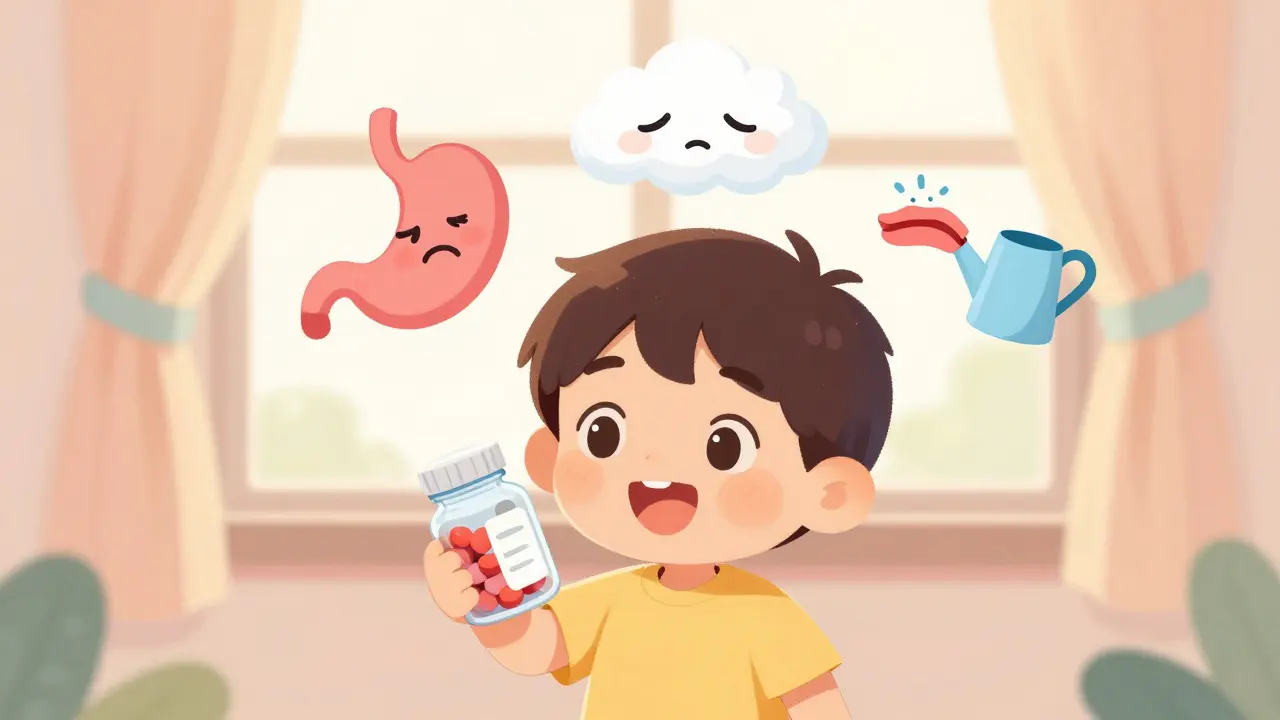
Almost everyone takes medication at some point - whether it’s a daily pill for blood pressure, an antibiotic for an infection, or a simple painkiller for a headache. But what happens when that pill doesn’t just help - it makes you feel worse? Side effects are more common than you think, and knowing which ones are normal versus dangerous can make all the difference.
What Counts as a Side Effect?
A side effect, also called an adverse drug reaction (ADR), is any unwanted or harmful response to a medicine taken at the right dose. It’s not a mistake - it’s a known possibility built into how the drug works. Some side effects are mild and go away on their own. Others can be serious, even life-threatening.There are two main types. Type A reactions are predictable. They happen because of how the drug affects your body - like nausea from antibiotics or drowsiness from antihistamines. These make up 75-80% of all side effects. Type B reactions are rarer and unpredictable. They’re often allergic or immune-driven, like a sudden rash or swelling that comes out of nowhere. These are harder to spot because they don’t follow the drug’s usual pattern.
Most Common Side Effects You’ll Actually Experience
Not every drug causes every side effect, but some show up again and again across different medications. According to data from Harvard Health and MedStar Health, these are the top five you’re most likely to run into:
- Nausea and upset stomach - This is the #1 complaint. Medications irritate your gut lining, especially antibiotics, painkillers, and chemo drugs. Taking them with food can help.
- Drowsiness or fatigue - Common with anxiety meds like Xanax, sleep aids, and even some blood pressure pills. Don’t drive or operate machinery if you feel foggy.
- Headache - Surprisingly common. It can be a direct effect of the drug or a withdrawal symptom if you stop suddenly.
- Constipation or diarrhea - Opioids cause constipation. Antibiotics and acid blockers like omeprazole often cause diarrhea. Both are annoying but usually temporary.
- Dry mouth - Antihistamines like Benadryl and many antidepressants block a chemical called acetylcholine, which reduces saliva. Sipping water or chewing sugar-free gum helps.
These aren’t rare. In fact, the FDA defines a common side effect as one that affects more than 1% of people taking the drug. That means if 100 people take it, at least one will feel it. And in real life? It’s often more than that.
When Side Effects Turn Dangerous
Most side effects are just inconvenient. But some are medical emergencies. The FDA defines a serious side effect as one that causes death, hospitalization, disability, birth defects, or is life-threatening. Here are the red flags you can’t ignore:
- Swelling of the face, lips, tongue, or throat - This is anaphylaxis. You may also break out in hives or feel like you can’t breathe. Call 911 immediately.
- Widespread rash with blistering or peeling skin - This could be Stevens-Johnson Syndrome or Toxic Epidermal Necrolysis. It looks like a bad burn and needs emergency care.
- High fever, swollen lymph nodes, and yellowing skin - These are signs of DRESS syndrome, a rare but deadly reaction that attacks your organs.
- Unexplained bruising, bleeding, or black stools - Could mean internal bleeding from blood thinners or NSAIDs like naproxen.
- Sudden confusion, memory loss, or hallucinations - Especially in older adults. Benzodiazepines like Ativan can trigger delirium.
- Fast, irregular heartbeat or chest pain - Some antibiotics, antidepressants, and even decongestants can mess with heart rhythm.
- Thoughts of self-harm or suicide - Happens with some antidepressants, especially in the first few weeks. Tell your doctor right away.
These reactions don’t always come fast. Some take days or weeks to show up. That’s why it’s important to keep paying attention, even after you’ve been on the drug for a while.
Why Older Adults Are at Higher Risk
If you’re 65 or older, your risk of side effects jumps. Studies show people in this group have over three times the rate of adverse reactions compared to those aged 45-64. Why?
- Multiple medications - Taking five or more drugs at once (called polypharmacy) increases the chance of dangerous interactions.
- Slower metabolism - Your liver and kidneys don’t clear drugs as quickly, so they build up in your system.
- Chronic conditions - Diabetes, kidney disease, or heart failure can make side effects worse.
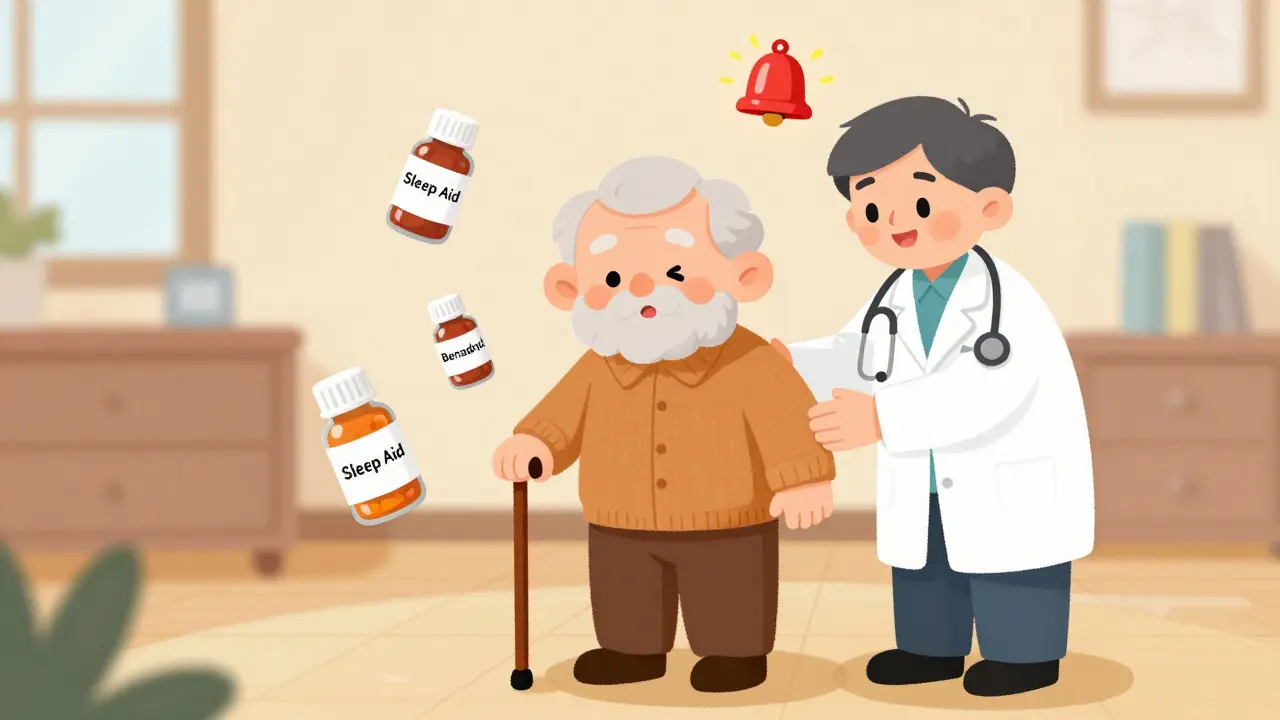
Drugs like sleeping pills, anxiety meds, and even over-the-counter Benadryl can cause dizziness, falls, and confusion in older adults. One fall can lead to a broken hip, months in rehab, and permanent loss of independence. That’s why doctors now avoid prescribing benzodiazepines to seniors unless absolutely necessary.
Drug Interactions: The Hidden Danger
It’s not just the pill itself - it’s what you mix it with. Grapefruit juice, for example, can spike the levels of blood pressure and cholesterol drugs to dangerous levels. Alcohol mixed with painkillers or sedatives can cause breathing to stop. Even herbal supplements like St. John’s Wort can make antidepressants less effective or cause serotonin syndrome - a rare but deadly condition.
A 2022 study found that nearly half of people stop taking their meds within the first year - and side effects are the #1 reason. Gastrointestinal issues account for 28% of those quits, neurological symptoms for 22%. That’s not just inconvenient - it means your condition isn’t being treated.
What to Do When You Notice a Side Effect
Don’t panic. Don’t stop cold turkey. Do this:
- Write it down - Note the symptom, when it started, how bad it is, and what you were taking. Include timing - did it happen right after the pill or hours later?
- Check the patient leaflet - Every prescription comes with a sheet listing side effects. See if yours is listed.
- Call your doctor or pharmacist - Don’t wait. Even if it seems minor, they might adjust your dose, switch your med, or suggest a fix.
- Don’t mix with alcohol or other drugs - Unless your provider says it’s safe.
- Use reliable sources - The National Library of Medicine’s drug database or your country’s official medicine site (like the NHS A-Z) are trustworthy. Avoid random blogs.
How to Report Side Effects
Most side effects go unreported. Studies say less than 5% ever reach regulatory agencies. That’s a problem - because without reports, we can’t spot new dangers.
In the U.S., use the FDA’s MedWatch program. In Australia, report to the TGA via their online form. In the UK, use the Yellow Card Scheme. You don’t need to be a doctor. Patients can report directly. Just go to your country’s official drug safety website and fill out a simple form.
Even if you’re not sure it’s the drug - report it. If 10 people report the same symptom with the same medication, regulators take notice. That’s how dangerous drugs get pulled from the market, like the psoriasis drug Raptiva after it caused fatal brain infections.
What About Over-the-Counter Drugs?
Just because it’s sold without a prescription doesn’t mean it’s safe. NSAIDs like ibuprofen and naproxen can cause stomach bleeding, especially if you’re older or take them long-term. Antihistamines like Benadryl can cause confusion in seniors. Even acetaminophen (Tylenol) can damage your liver if you take too much - especially if you drink alcohol.
Always read the label. Check the active ingredients. Don’t take multiple products with the same drug - like cold medicine and painkillers both containing acetaminophen. That’s how accidental overdoses happen.
What About Cancer Treatments?
Chemotherapy and radiation are designed to kill fast-growing cells - which includes cancer cells… and hair follicles, gut lining, and bone marrow. That’s why side effects like hair loss, nausea, fatigue, and low blood counts are so common.
Most are temporary. Hair usually grows back. Nausea can be controlled with modern anti-vomiting drugs. But some effects last longer: infertility, early menopause, nerve damage, or lung damage from chest radiation. Talk to your oncologist before starting treatment about what to expect and how to manage it.
Bottom Line: Know Your Meds
Medications save lives. But they’re not harmless. Side effects are normal - but not inevitable. The key is awareness. Know what’s possible. Track what you feel. Speak up when something’s off. And never assume a side effect is "just part of it."
When in doubt, contact your doctor. Better to be safe than sorry. Your health isn’t something to guess about.

13 Comments
Thomas Anderson
Been on blood pressure meds for 5 years. Dry mouth? Yeah, daily. Chewing gum, keep a water bottle by the bed. No big deal. But if you start getting dizzy or your heart races, don’t ignore it. Talk to your doc before you quit cold turkey.
Edward Stevens
Oh wow, another ‘meds are scary’ article. Next you’ll tell me water can cause drowning. I’ve been on 7 different prescriptions since 2018. Nausea? Check. Fatigue? Check. But I’m alive and my BP’s stable. Maybe stop scaring people and start teaching them how to live with side effects instead of panicking every time they feel a little weird.
Wade Mercer
People think side effects are ‘normal’ so they just accept them. That’s not okay. If you’re taking a drug that makes you feel like a zombie, it’s not ‘just part of it’-it’s a failure of the system. Doctors prescribe like they’re handing out candy. You’re not a lab rat. Demand better. Your body deserves respect.
Dwayne hiers
For anyone reading this: Type A reactions are pharmacologically predictable-dose-dependent, mechanism-based. Type B are idiosyncratic, often HLA-mediated. If you develop a rash after starting a new beta-blocker, it’s not ‘just allergies’-it could be DRESS syndrome. Document everything, report to MedWatch, and get your HLA typing done if it recurs. Knowledge is power, but data saves lives.
Daniel Wevik
Let me break this down like I’m talking to a 12-year-old: pills are chemicals. Chemicals interact with your body’s chemistry. Sometimes the result isn’t ‘magic cure’-it’s ‘I feel like I swallowed a battery.’ That’s not a bug, it’s a feature of biology. But here’s the kicker: your liver doesn’t care if you’re ‘used to it.’ It’s still processing toxins. If you’re on 5+ meds? You’re playing Russian roulette with your kidneys. Stop normalizing this shit.
Rich Robertson
I’m from rural India, and here, people take antibiotics like candy. No prescription. No idea what they’re for. I’ve seen grandmas take 3 different painkillers at once because ‘one didn’t work.’ Side effects? They think it’s ‘bad luck.’ This article? It’s a lifeline. We need this translated into 10 languages. Not everyone has access to a pharmacist. Education is the real medicine.
Natalie Koeber
Did you know the FDA gets paid by pharma companies? They downplay side effects on purpose. That rash you got? It’s not the drug-it’s the glyphosate in your food. The real cause is corporate greed. And don’t even get me started on how vaccines are just delivery systems for microchips. I know a guy whose aunt got ‘side effects’ after the flu shot and now she can’t speak. Coincidence? I think not.
Tim Bartik
Y’all act like side effects are some new invention. Back in my day, we took penicillin and either got better or died. No whining. No ‘I feel a little dizzy.’ You want to live? Suck it up. This country’s gone soft. You think your grandma survived cancer with all this ‘report your symptoms’ nonsense? Nah. She took it like a soldier. America’s lost its spine.
Sinéad Griffin
THIS. SO. MUCH. 🙌 I was on antidepressants and got the weirdest tingling in my arms. Thought I was having a stroke. Called my doc-turns out it’s a known side effect. They switched me and now I’m fine. Don’t be scared. Just speak up. Your voice matters. 💪❤️
Sarthak Jain
bro i was on amoxicillin and got diarrhea so bad i thought i was gonna die. then i found out probiotics help. now i take them every time. also grapefruit juice is a trap. my uncle died because he drank it with his cholesterol med. pls be careful. 🙏
Alexis Wright
You’re all missing the point. This isn’t about side effects. It’s about control. The pharmaceutical-industrial complex has weaponized your dependence on medication to create a permanent underclass of compliant patients who believe their bodies are broken and need corporate solutions. Every side effect is a symptom of a system that profits from your suffering. You think your dry mouth is about acetylcholine? No. It’s about shareholder dividends. Wake up. The pill is the prison. The leaflet is the propaganda. The ‘reporting system’ is a PR stunt. You’re not a patient-you’re a revenue stream.
Jonny Moran
Hey, if you’re reading this and you’re scared-breathe. You’re not alone. Side effects suck, but they’re manageable. Talk to your pharmacist. They’re the unsung heroes. Keep a journal. Track timing. Small changes make huge differences. And if you’re feeling overwhelmed? Reach out. Someone here gets it. You’ve got this.
Daniel Thompson
I appreciate the article, but I must respectfully challenge the assertion that side effects are ‘normal.’ Normal implies inevitability. But if 75% of patients experience nausea from a drug, that’s not normal-that’s a design flaw. We’ve accepted mediocrity as standard. Why aren’t we demanding safer alternatives? Why is tolerating side effects the default outcome? This isn’t just about awareness-it’s about accountability. The system must change, not just the patient.