Warfarin Food Interactions: What to Eat and Avoid with Your Blood Thinner
When you take warfarin, a blood thinner used to prevent dangerous clots in people with atrial fibrillation, artificial heart valves, or a history of deep vein thrombosis. Also known as Coumadin, it works by blocking vitamin K from helping your blood clot—but that’s exactly why what you eat matters so much. Warfarin isn’t like other pills where a little extra or less won’t make a difference. Too much vitamin K from your food can make it less effective. Too little can make it too strong. Either way, your risk of stroke or dangerous bleeding goes up.
That’s where vitamin K, a nutrient found in leafy greens and certain oils that helps your body form clots comes in. It’s not the enemy—your body needs it. But if you suddenly eat a big bowl of spinach one day and then skip it the next, your INR (the test that measures how long your blood takes to clot) will swing all over the place. The same goes for cranberry juice, a common drink people think is harmless but can boost warfarin’s effect and raise bleeding risk. Even garlic, green tea, and some herbal supplements can interfere. You don’t need to avoid these things forever. You just need to keep your intake steady. Eat your kale every day, or don’t eat it at all. Consistency beats perfection.
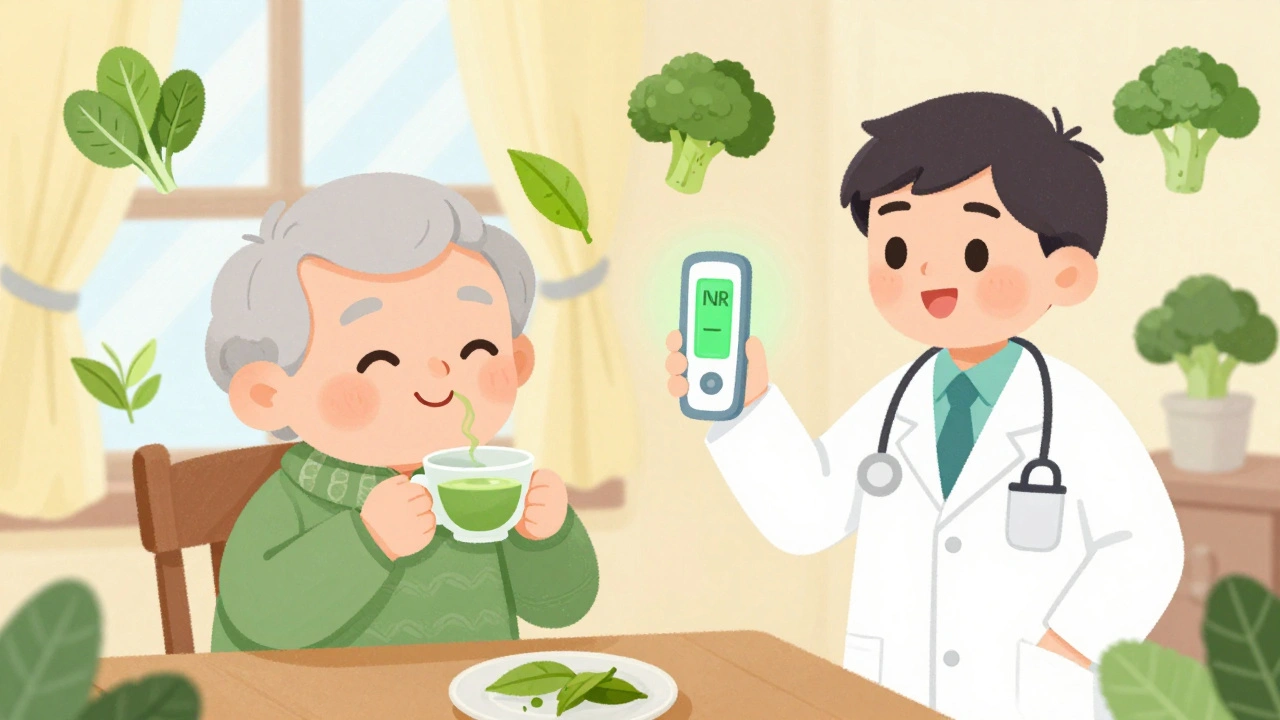
What you’re really managing isn’t a diet—it’s a rhythm. People who do well on warfarin aren’t the ones who eat the least vegetables. They’re the ones who eat the same amount, every day. That’s why the best advice isn’t a list of forbidden foods. It’s a reminder: track your habits, not your fear. If you love broccoli, keep eating it. If you drink grapefruit juice every morning, don’t suddenly stop. Sudden changes are the real danger. And if you’re ever unsure, check with your pharmacist. They’re trained to spot these interactions before they cause trouble.
Below, you’ll find real posts from people who’ve been there—how they learned to live with warfarin, what they wish they’d known sooner, and how support groups and simple tracking tools helped them stay safe without giving up the foods they love. No guesswork. No myths. Just what works.