Seasonal Allergies: Triggers, Treatments, and What Actually Works
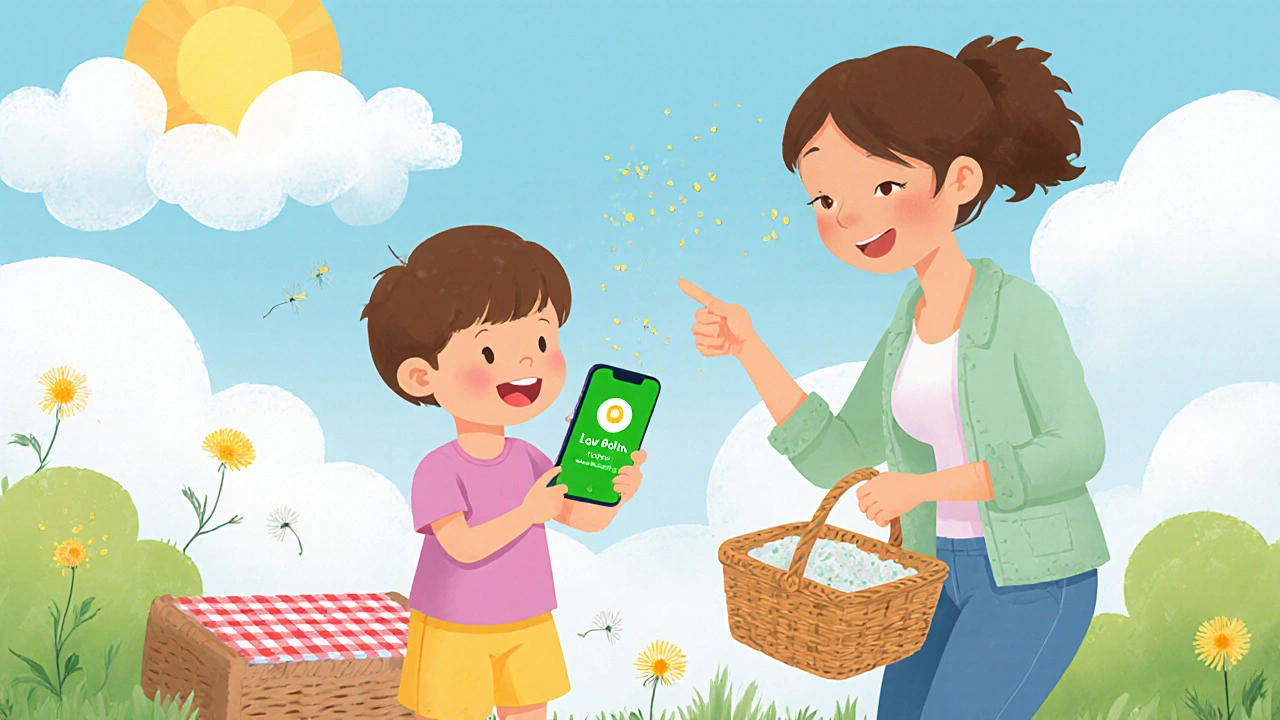
When your nose runs, eyes itch, and you feel wiped out every spring or fall, you’re not just catching a cold—you’re dealing with seasonal allergies, an immune response to airborne allergens like pollen, mold, or grass that appear at predictable times each year. Also known as hay fever, it affects nearly 1 in 5 adults in the U.S. and isn’t just a nuisance—it can mess with sleep, focus, and daily life. Unlike a virus, seasonal allergies don’t cause fever or body aches. Instead, they trigger sneezing fits, watery eyes, and a constant stuffy nose because your body mistakes harmless pollen for a threat.
What makes seasonal allergies worse? pollen counts, the amount of airborne allergens measured daily. High counts on dry, windy days mean more symptoms. Outdoor mold spores spike after rain or in damp areas, while indoor allergens like dust mites can make things worse year-round. Then there’s allergen exposure, how much and how often you come into contact with triggers. Living near trees or open fields? You’re likely hitting peak pollen season hard. Some people think allergy shots are only for kids, but adults benefit too—especially if over-the-counter meds stop working.
Most people reach for antihistamines, drugs that block histamine, the chemical that causes itching and sneezing. But not all are the same. First-gen ones like diphenhydramine make you drowsy; newer ones like loratadine or cetirizine don’t. Then there’s nasal corticosteroids, which are actually the most effective long-term fix for congestion and runny nose—yet many skip them because they take days to work. They’re not addictive. They’re not steroids like the ones athletes abuse. They’re local, low-dose, and safe for daily use. If you’ve tried everything and still feel awful, you might need to test for specific triggers. Skin tests or blood panels can show exactly what you’re reacting to, so you can avoid it or consider immunotherapy.
What’s missing from most advice? Timing. Taking your meds before symptoms start—like a few days before pollen season hits—makes a huge difference. So does washing your hair before bed, keeping windows closed, and using a HEPA filter. It’s not magic. It’s just smart habits backed by real data.
Below, you’ll find real, no-fluff guides on what works and what doesn’t. From comparing allergy pills that actually help, to spotting when a generic drug might be letting you down, to understanding how to manage side effects without quitting your meds. This isn’t theory. It’s what people are using right now to get through allergy season without reaching for the tissue box again.