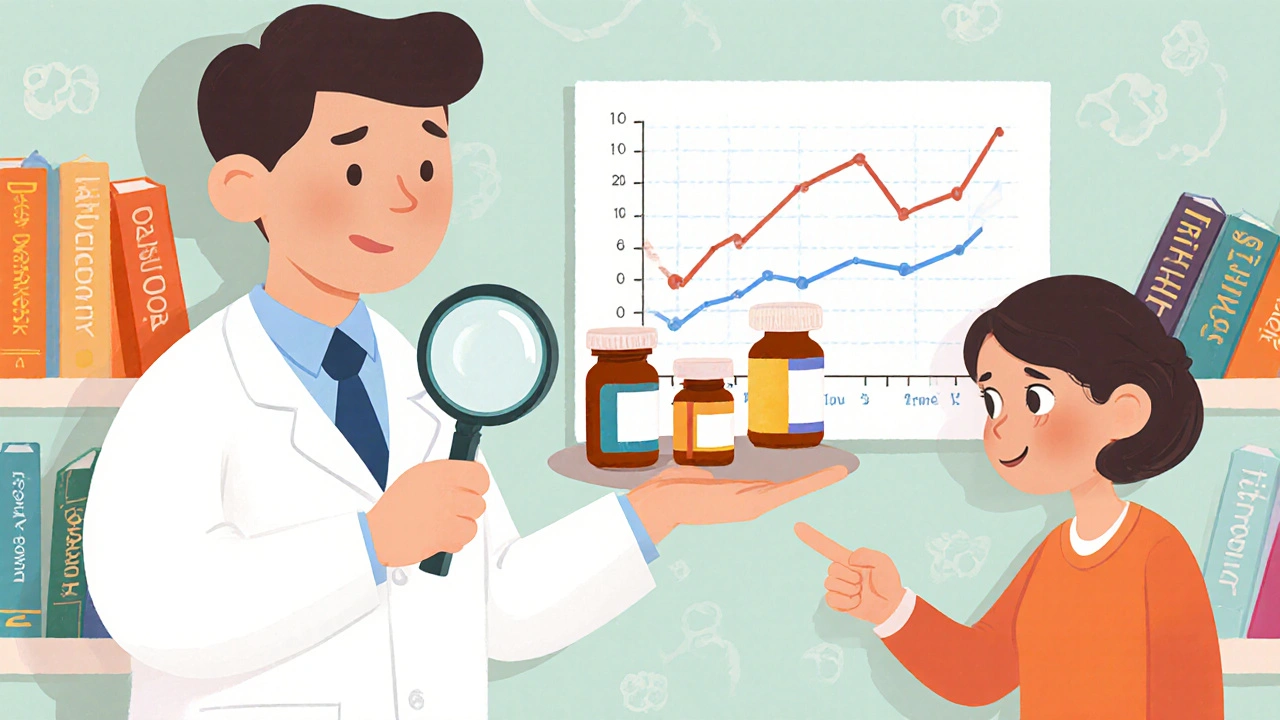
Problem Generics: What You Need to Know About Generic Drug Issues
When you pick up a prescription, you might not realize you're getting a generic drug, a lower-cost version of a brand-name medication that must meet the same FDA standards for safety and effectiveness. Also known as non-brand medication, it's meant to save money without sacrificing results—until it doesn't. The truth is, not every generic works the same way for everyone. Some people report side effects they never had with the brand-name version. Others find the medication just doesn’t control their condition as well. These aren’t just complaints—they’re real issues tied to how generics are made, tested, and approved.
One major reason for these problems lies in the therapeutic equivalence, a system the FDA uses to rate whether a generic can be safely swapped for a brand-name drug. Also known as AB codes, this rating shows up in the Orange Book, the official FDA list that tracks which drugs are considered interchangeable. Only drugs with an AB rating are guaranteed to work the same way. But if a generic gets a B rating? That means it’s not automatically interchangeable. Many patients don’t know this—and pharmacists sometimes substitute anyway, especially if the prescriber didn’t write "dispense as written."
Then there’s the FDA approval process, the Abbreviated New Drug Application (ANDA) that lets generics reach the market faster and cheaper. It doesn’t require new clinical trials. Instead, manufacturers prove their drug has the same active ingredient, strength, and absorption rate as the original. But here’s the catch: inactive ingredients—like fillers, dyes, or coatings—can vary. For most people, that’s fine. But for those with allergies, sensitive digestive systems, or conditions like epilepsy or thyroid disease, even tiny differences can throw off their treatment. That’s why narrow therapeutic index (NTI) drugs, medications where small changes in blood levels can cause serious harm—like warfarin, levothyroxine, or phenytoin—often need extra monitoring when switching to generics.
And it’s not just about chemistry. Sometimes, the problem is timing. A generic might release its active ingredient too slowly—or too fast—compared to the brand. That’s why some patients on seizure meds or heart drugs feel worse after switching, even though the pill looks identical. Pharmacists recommend generics to save money, and that’s good… unless your health is on the line. The problem generics aren’t always the fault of the manufacturer. Sometimes, it’s the system: pressure to cut costs, lack of patient education, or prescribers who don’t know which generics are truly equivalent.
You’re not alone if you’ve noticed a change after switching to a generic. Millions have. The good news? You have power here. You can ask your pharmacist if your generic has an AB rating. You can ask your doctor to write "dispense as written" on your prescription. You can request therapeutic drug monitoring if you’re on a high-risk medication. And you can speak up if something feels off—because your body knows the difference, even if the label doesn’t.
Below, you’ll find real stories and expert guides on what to watch for, how to spot unsafe substitutions, and how to protect yourself when generics are involved. From the Orange Book to NTI drugs, from patient experiences to FDA rules—you’ll get the facts you need to make smarter choices with your meds.