How Paragraph IV Patent Challenges Speed Up Generic Drug Entry
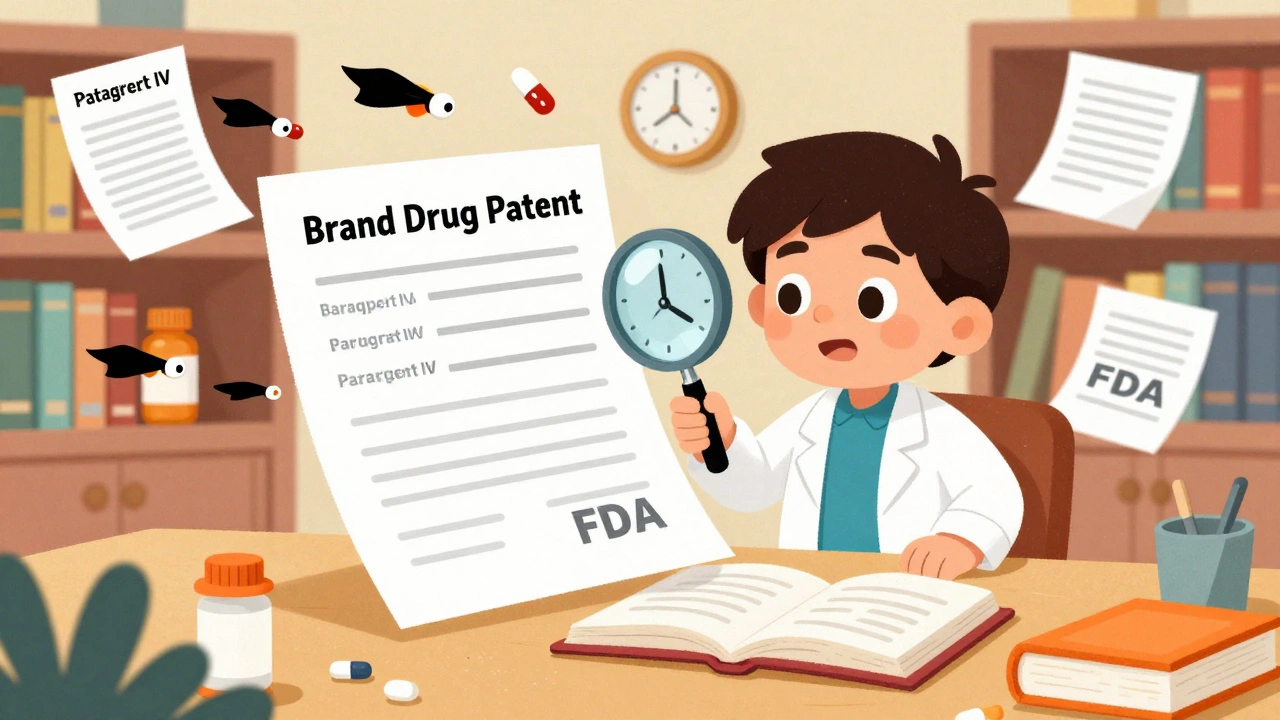
Paragraph IV certification lets generic drug makers challenge brand patents before they expire. If they win, cheaper generics hit the market faster-saving billions. Here’s how it works.

When you hear patent litigation, legal battles over who has the right to make and sell a drug after its original patent expires. Also known as drug patent disputes, it’s the quiet force behind why some medications cost hundreds of dollars while others cost pennies. This isn’t just about big pharma and lawyers—it’s about whether you can afford your next prescription.
Generic drugs, lower-cost versions of brand-name medicines that are chemically identical. Also known as generic medications, they make up 90% of U.S. prescriptions—but they only enter the market after patent fights are settled. Companies that make generics often challenge patents they believe are weak or unfairly extended. These challenges can delay generic entry by years, keeping prices high. Meanwhile, brand-name manufacturers file lawsuits to block competitors, sometimes even suing over tiny changes in pill shape or packaging. The result? Patients wait, doctors scramble, and pharmacies run out of stock.
FDA approval, the process that ensures generic drugs are as safe and effective as the original. Also known as ANDA process, it’s the gatekeeper that lets generics compete—but only after patent hurdles are cleared. The FDA doesn’t decide who wins patent lawsuits, but it holds the list of approved generics and their legal status. If a patent is still active, even a perfectly made generic can’t be sold. That’s why some drugs stay expensive long after they should be cheap.
And it’s not just about money. Patent litigation affects drug supply. When companies fight over patents, manufacturing shifts, supplies get tight, and shortages happen. We’ve seen it with antibiotics, heart meds, and even insulin. The system was built to reward innovation, but today it often rewards legal strategy over patient access.
Below, you’ll find real-world examples of how patent battles impact everyday medication use—from why your pharmacist switched your pill to why your insurance won’t cover a certain brand. These aren’t abstract legal concepts. They’re the reason you’re paying more, waiting longer, or skipping doses.
 6 Dec 2025
Paragraph IV certification lets generic drug makers challenge brand patents before they expire. If they win, cheaper generics hit the market faster-saving billions. Here’s how it works.