Paragraph IV Certification: What It Means for Generic Drugs and Drug Prices
When a generic drug company files a Paragraph IV certification, a legal notice filed with the FDA to challenge an existing brand-name drug patent. It's a formal claim that the patent is invalid, unenforceable, or won't be infringed by the generic version. This isn't just paperwork—it's the main reason you can buy cheap versions of expensive pills today. Without Paragraph IV certifications, most brand-name drugs would stay monopoly-priced for years. The FDA's Abbreviated New Drug Application (ANDA), the streamlined process that lets generic drugs get approved without repeating costly clinical trials depends on this step. When a generic maker files an ANDA with a Paragraph IV certification, they're saying: "We can make this drug, and the patent blocking us doesn't hold up."
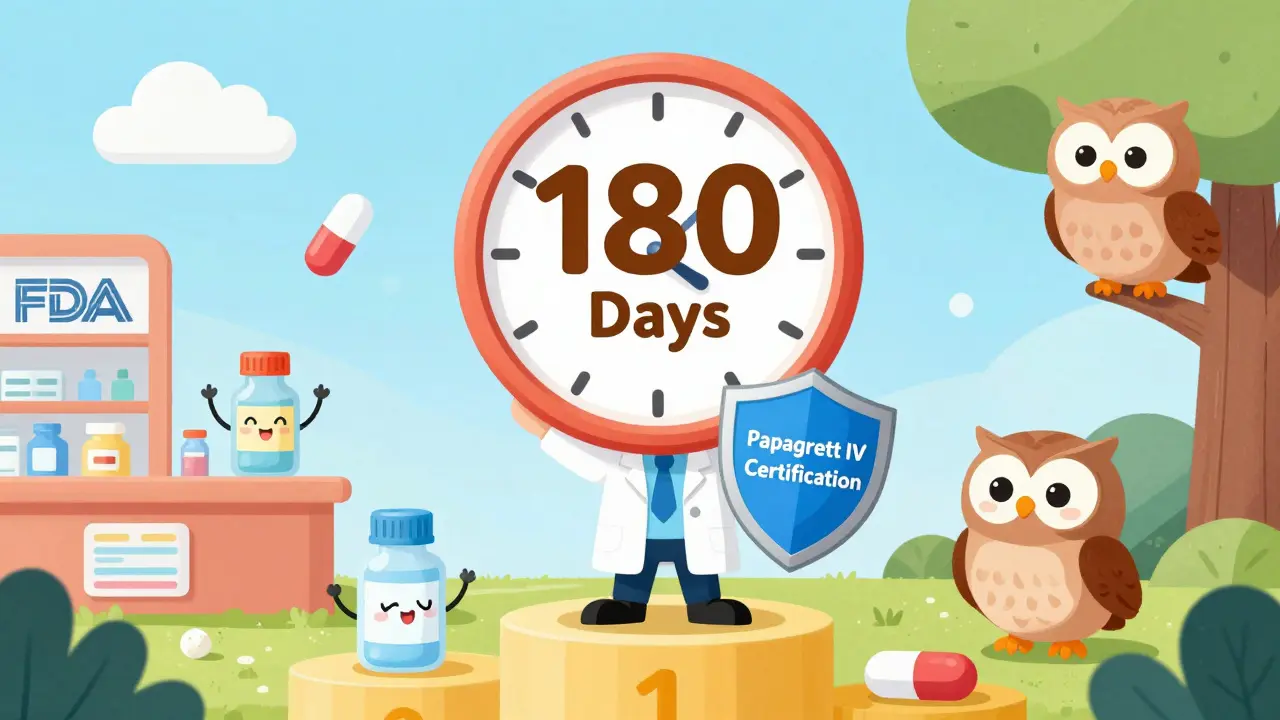
This system was built into the Hatch-Waxman Act of 1984 to balance innovation and access. Brand-name companies get 5 years of market exclusivity, but generic makers can challenge patents early. If they win, they get 180 days of exclusive rights to sell their version—before anyone else can jump in. That’s why you sometimes see two different generics hit the market at the same time after a patent fight. But here’s the catch: when too many companies file Paragraph IV certifications on the same drug, the race to the bottom begins. Prices drop so fast that manufacturers stop making the drug altogether. That’s how we end up with generic drug shortages, when low profit margins cause manufacturers to quit production, leaving patients without essential medicines. It’s not about lack of competition—it’s about too much of it, pushing prices below what’s sustainable.
These certifications directly affect what’s on your pharmacy shelf. If a drug has a Paragraph IV challenge, you might see a generic appear months or even years before the patent expires. But if the challenge fails, you’re stuck paying full price longer. That’s why pharmacists and patients need to understand the therapeutic equivalence codes, the FDA’s system that labels which generics can be safely swapped for brand-name drugs. A drug with a Paragraph IV certification might be approved, but if it’s labeled B (not AB), your pharmacist might not be allowed to substitute it—even if it’s cheaper. That’s why problem generics, generic drugs that don’t work the same way as the brand, even if approved can slip through, especially with narrow therapeutic index drugs like warfarin or thyroid meds. Monitoring your INR or blood levels becomes even more critical when a new generic hits the market after a Paragraph IV challenge.
You’ll find real-world examples of this in action across the posts below—from how generic shortages hit cancer patients to how pharmacists flag unsafe substitutions. You’ll see how patients dealing with warfarin, methotrexate, or statins are affected when a new generic arrives after a patent challenge. Some stories are about savings. Others are about risk. All of them tie back to that one document: the Paragraph IV certification. It’s not just a legal form. It’s the hidden engine behind the price of your prescriptions—and whether you get your meds at all.