How to Keep Medications Safe from Children and Pets at Home
Learn how to safely store and dispose of medications to protect children and pets from accidental poisoning. Simple, proven steps to keep your home safe every day.

When you buy medicine, you’re not just paying for the pill—you’re paying for its medication storage, the conditions under which a drug remains stable, safe, and effective until it’s taken. Also known as drug storage, it’s the invisible step that keeps your treatment working as it should. If you leave your insulin in a hot car or keep your antibiotics in the bathroom cabinet, you’re not just being careless—you’re risking your health. Heat, moisture, and light don’t just degrade pills; they can turn them into something useless—or worse, dangerous.
Think about emergency medications, drugs like epinephrine or naloxone that must work instantly during a life-threatening event. These aren’t optional. If your EpiPen was stored in a drawer above the stove or left in a freezing garage, it might not save your life when you need it most. That’s why storage conditions, the specific temperature, humidity, and light exposure levels a drug requires to stay potent matter just as much as the dose. The FDA doesn’t just approve drugs for safety—they approve them for storage too. And if you ignore those instructions, you’re breaking the chain of care before you even swallow the pill.
It’s not just about keeping meds away from kids or pets. Some drugs, like nitroglycerin, lose strength in minutes if exposed to air. Others, like liquid antibiotics, need refrigeration to stay alive. Even your daily pills—like your blood pressure med or thyroid pill—can degrade over time if kept in a steamy bathroom or a sunny windowsill. And if your medication doesn’t work because of bad storage, you’re not just wasting money—you’re putting your treatment plan at risk. That’s why medication adherence, the act of taking your drugs exactly as prescribed starts long before you open the bottle. It starts with how you store them.
You’ll find real-world advice here on how to handle everything from epinephrine in your car to warfarin in your medicine cabinet. We’ll show you how to keep emergency drugs ready but out of reach, how to tell if your pills have gone bad, and why some meds should never go in the fridge—even if the label says "room temperature." You’ll learn what the FDA really means by "protect from moisture," how to read expiration dates correctly, and why storing your pills in a pill organizer for months might be doing more harm than good. This isn’t theory. These are the things pharmacists and doctors wish patients knew before the problem happened.
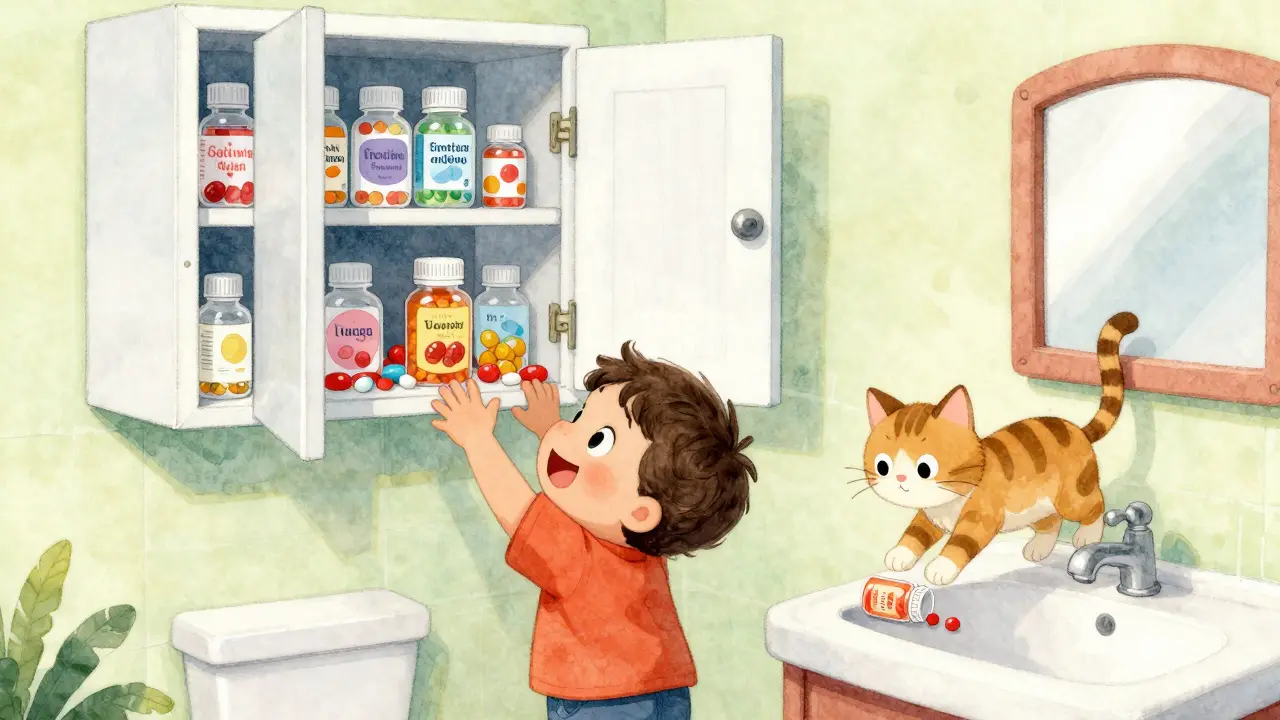 27 Jan 2026
Learn how to safely store and dispose of medications to protect children and pets from accidental poisoning. Simple, proven steps to keep your home safe every day.
 23 Nov 2025
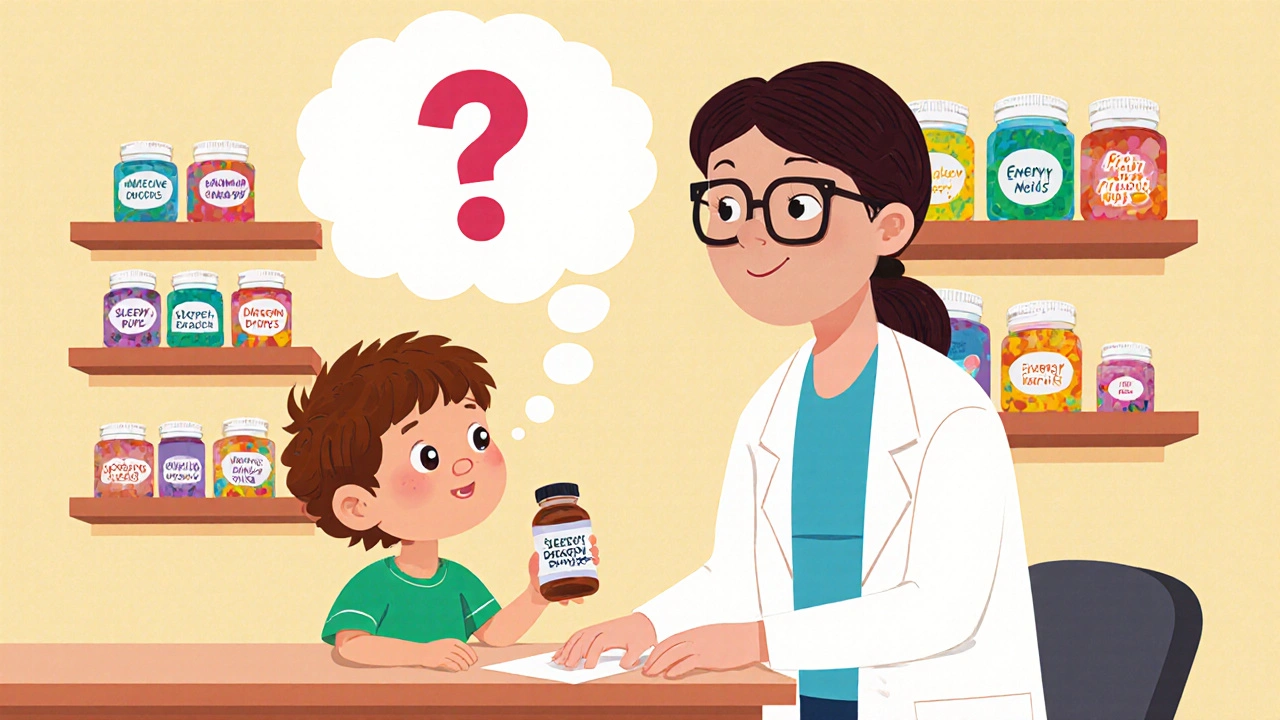
Knowing what to ask at the pharmacy can prevent dangerous medication errors. Learn the top questions to ask about side effects, interactions, storage, and dosing to stay safe with your prescriptions.