Medication Errors: How to Spot, Prevent, and Avoid Costly Mistakes
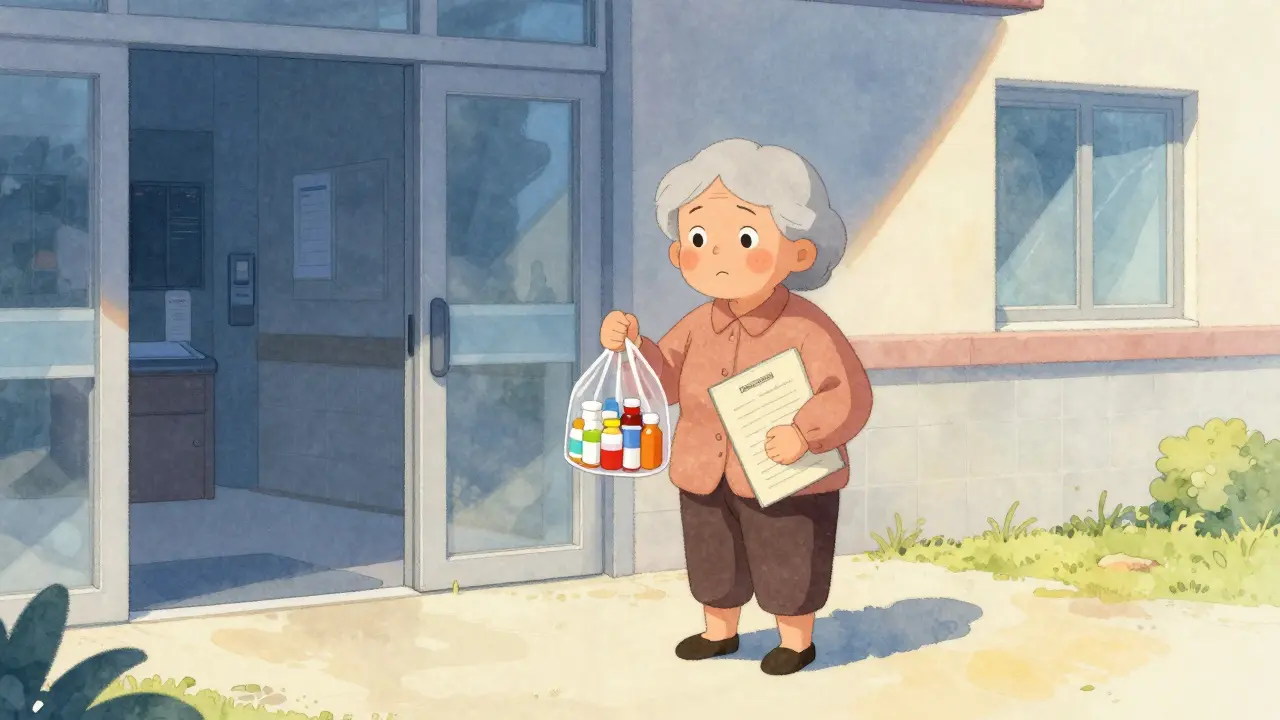
When you take a pill, you expect it to help—not hurt. But medication errors, mistakes in prescribing, dispensing, or taking drugs that lead to harm. Also known as drug errors, they’re one of the leading causes of preventable hospital visits in the U.S. These aren’t just about wrong doses or missed pills. They happen when a drug you’re taking clashes with another, when a generic isn’t working like it should, or when you don’t understand what the label actually says.
Many of these errors connect directly to drug interactions, when two or more medications affect each other’s performance in your body. Take green tea and warfarin—vitamin K in the tea can lower your INR, making your blood thinner less effective. Or grapefruit and statins: one grapefruit can spike your cholesterol drug levels enough to damage muscles. Even something as simple as taking a supplement like SAMe with antidepressants can trigger serotonin syndrome, a dangerous spike in brain chemicals. These aren’t rare cases. They’re listed in FDA warnings and pharmacy alerts for a reason.
medication safety, the practice of ensuring drugs are used correctly to avoid harm isn’t just the doctor’s job. It’s yours too. That’s why asking your pharmacist the right questions matters. Did they check for interactions? Is this generic the same as the brand? What happens if you miss a dose? These aren’t silly questions—they’re lifesavers. The FDA’s label terms like "contraindication" and "precaution" exist to warn you, but only if you know what they mean. And when a pharmacist recommends a generic, you need to know if it’s an AB-rated match or if it’s one of those problem generics that sometimes fail to work the same way.
Therapeutic equivalence codes in the Orange Book? They’re not just jargon. They tell you if a generic can safely replace your brand-name drug—especially for narrow therapeutic index drugs like warfarin or thyroid meds, where even a tiny difference in blood levels can cause overdose or treatment failure. That’s why therapeutic drug monitoring exists. And why emergency meds like naloxone or epinephrine need to be stored where they’re instantly reachable but out of kids’ reach.
It’s not about being paranoid. It’s about being informed. Every year, thousands of people end up in the ER because they didn’t know grapefruit could wreck their statin, or that their new generic wasn’t working because the manufacturer cut corners. Others skip doses because they don’t understand side effects—or they take too much because they didn’t know how to use a pill organizer. The tools are there: reminder apps, infographics explaining generics, glossaries of FDA terms. But they only help if you know to use them.
Below, you’ll find real, practical guides on exactly how these errors happen—and how to stop them before they do. From how to talk to your pharmacist to why some generics fail, from spotting red flags in your prescription to managing side effects without quitting your meds—you’ll find the answers that actually work.