Green Tea and Warfarin: What You Need to Know About the Interaction
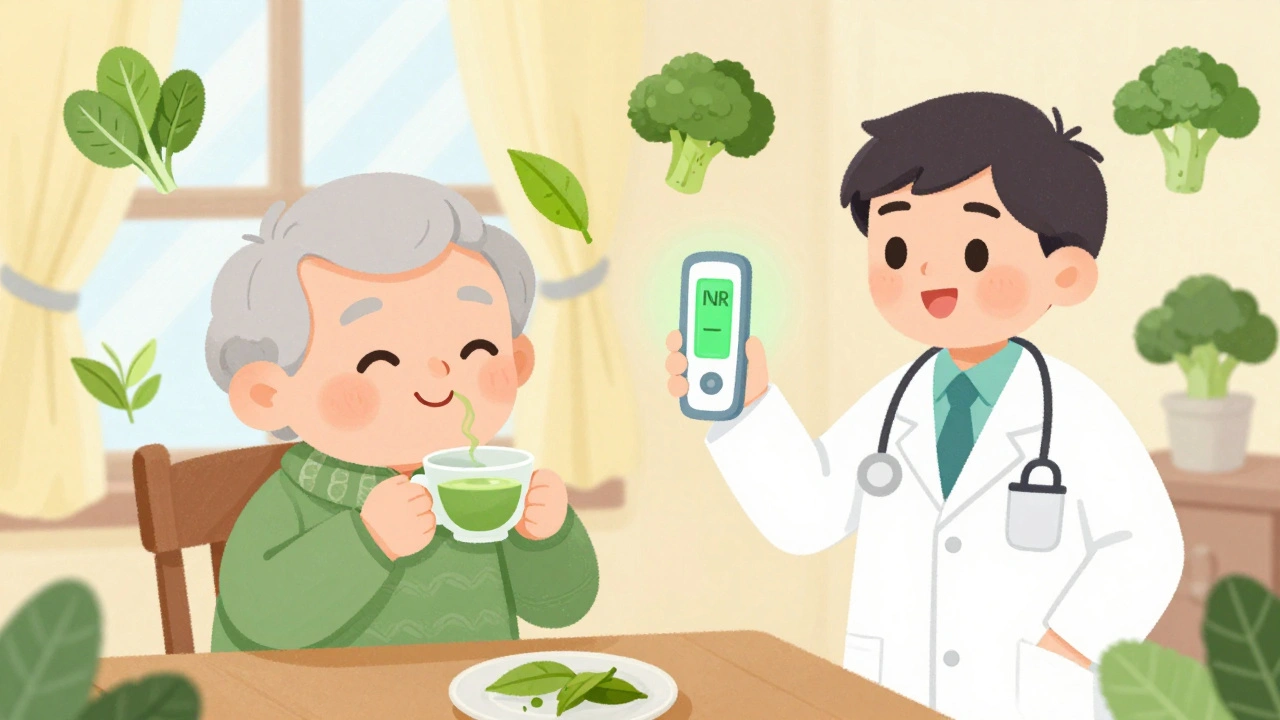
When you're on warfarin, a blood thinner used to prevent clots in people with atrial fibrillation, artificial heart valves, or deep vein thrombosis. Also known as Coumadin, it works by blocking vitamin K, which your body needs to form clots. Many people drink green tea, a popular beverage made from unfermented tea leaves, rich in antioxidants like catechins and vitamin K. Also known as Camellia sinensis tea, it’s often chosen for its calming effects and potential heart benefits. But if you’re taking warfarin, green tea isn’t just a harmless habit—it can interfere with how well your blood thins.
Here’s the real issue: green tea contains vitamin K, a nutrient that directly opposes warfarin’s effect by helping your liver produce clotting factors. If you suddenly start drinking three cups a day after months of one cup, your INR (the test that measures how long your blood takes to clot) can drop. That means your blood starts clotting faster, raising your risk of stroke or pulmonary embolism. On the flip side, if you stop drinking it entirely, your INR might spike, increasing bleeding risk. It’s not about cutting it out—it’s about keeping your intake steady.
Green tea also has compounds like epigallocatechin gallate (EGCG) that may affect liver enzymes responsible for breaking down warfarin. Some studies show this can make warfarin stick around longer in your body, which could lead to higher bleeding risk. It’s not guaranteed, but it’s enough of a signal that doctors and pharmacists take it seriously. If you’ve been drinking green tea for years and your warfarin dose is stable, don’t panic. But if you’re thinking of switching from coffee to green tea, or adding matcha lattes to your routine, talk to your provider first.
What about other herbal teas? Rooibos and chamomile are generally safe. But ginseng, ginger, and garlic supplements? Those can also thin your blood and should be avoided unless cleared by your doctor. The same goes for cranberry juice—yes, even the kind you think is healthy. It’s not just about what you add. It’s about what you change.
People on warfarin often feel like they’re walking a tightrope. One wrong food, one new supplement, one missed appointment—and everything shifts. That’s why consistency matters more than perfection. If you drink green tea, drink the same amount every day. Don’t skip days. Don’t binge. Keep a log. Bring it to your INR checkups. Your pharmacist can help track these patterns better than you think.
There’s no magic number for how much green tea is safe. One cup a day? Probably fine for most. Three? Maybe not. It depends on your body, your dose, your diet, your genetics. The only way to know is to test. Regular INR checks are your safety net. Don’t skip them. Don’t assume you’re fine because you feel okay. Warfarin doesn’t come with warning signs until it’s too late.
You don’t have to give up green tea. But you do need to treat it like part of your medication plan—not a side note. The same way you don’t suddenly start taking aspirin without asking, you shouldn’t change your tea habits without checking in. The posts below cover real cases, doctor tips, and what to ask at your pharmacy when you’re unsure. You’re not alone in this. And with the right info, you can keep your tea—and your safety—on track.