How Paragraph IV Patent Challenges Speed Up Generic Drug Entry
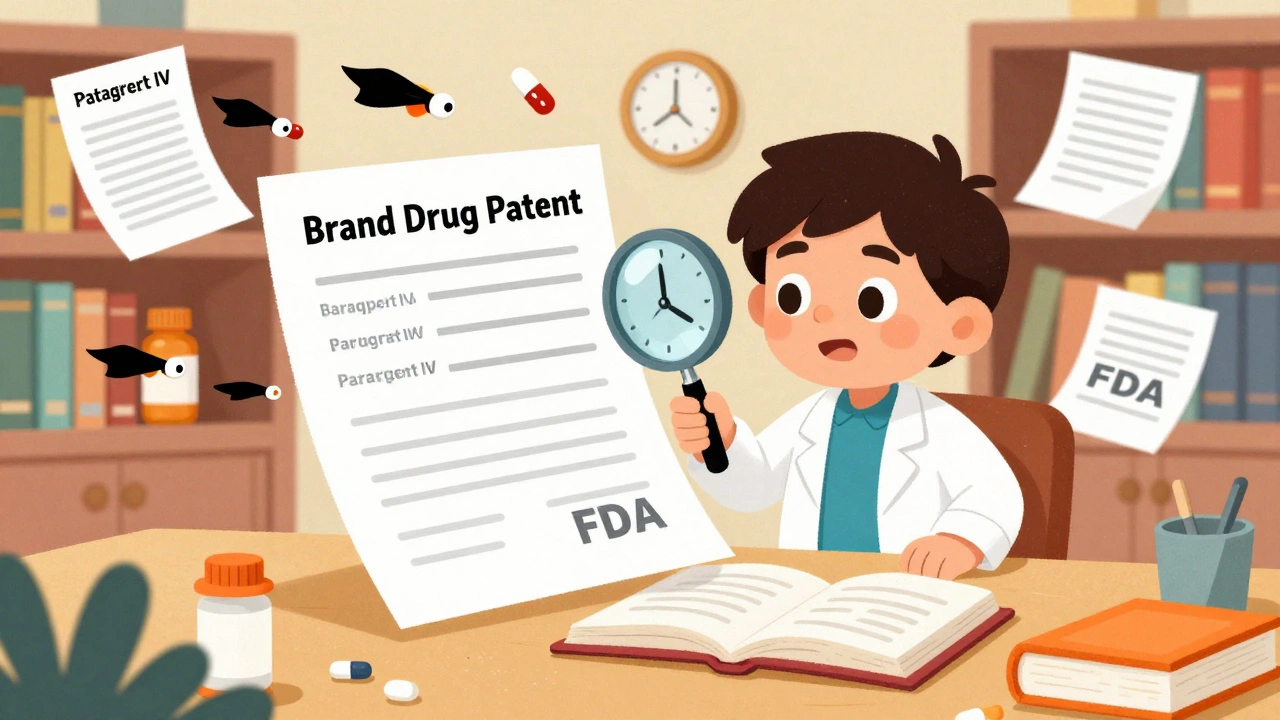
Paragraph IV certification lets generic drug makers challenge brand patents before they expire. If they win, cheaper generics hit the market faster-saving billions. Here’s how it works.

When you pick up a generic drug entry, a non-brand version of a medication approved by the FDA as equivalent to its brand-name counterpart. Also known as generic medication, it's the reason millions of people can afford their prescriptions every day. But not all generic drug entries are the same. Some work perfectly. Others cause problems—sometimes because of how they're made, sometimes because of how they're handled. The FDA doesn’t just approve them and walk away. It uses therapeutic equivalence codes, a system in the Orange Book that tells pharmacists which generics can be swapped without risk. These codes, like AB or B, decide whether your pill can be changed at the counter without asking your doctor. If a generic has an AB code, it’s considered interchangeable. A B code? That means it’s approved but not automatically substitutable. That’s not a mistake—it’s a safety net.
Behind every generic drug entry, a non-brand version of a medication approved by the FDA as equivalent to its brand-name counterpart. Also known as generic medication, it's the reason millions of people can afford their prescriptions every day. is a story of cost, competition, and sometimes, failure. When too many companies make the same generic, prices drop so low that manufacturers shut down. That’s why generic drug shortages, sudden unavailability of essential generic medications due to economic and supply chain pressures. Also known as drug supply gaps, it's a growing crisis affecting everything from antibiotics to blood pressure pills. It’s not about lack of demand—it’s about lack of profit. And when a critical generic vanishes, patients are left scrambling. Meanwhile, the FDA approval, the rigorous process through which generic drugs prove they work the same as brand-name versions using the Abbreviated New Drug Application (ANDA). Also known as ANDA process, it's the legal pathway for generics to enter the U.S. market. isn’t just paperwork. It’s science. The ANDA process requires generics to match the brand in strength, dosage, absorption, and performance. But even then, small differences in fillers or coatings can affect how some people react—especially with narrow therapeutic index drugs like warfarin or thyroid meds. That’s why therapeutic drug monitoring, blood tests used to track medication levels in patients taking generics with narrow safety margins. Also known as TDM, it's a lifeline for people on high-risk generics. exists. It’s not routine, but for some, it’s the only way to stay safe.
You’ll find posts here that break down exactly how pharmacists decide which generic to give you, why some brands are harder to replace than others, and how to tell if your generic isn’t working right. You’ll learn about the hidden risks in cheap pills, how to spot a problem before it hurts you, and what to say to your pharmacist when something feels off. This isn’t about choosing between brand and generic—it’s about understanding when the system works, when it breaks, and how to protect yourself when it does.
 6 Dec 2025
Paragraph IV certification lets generic drug makers challenge brand patents before they expire. If they win, cheaper generics hit the market faster-saving billions. Here’s how it works.