How Medicines Work and When They’re Safe to Use
Learn how medicines interact with your body at a molecular level and why understanding their mechanism is the key to using them safely - and avoiding dangerous side effects.

When you take a medication, your body doesn’t just see a cure—it sees a chemical intruder. That’s why drug side effects, unintended physical or mental reactions to medications that aren’t the intended therapeutic outcome. Also known as adverse drug reactions, they can range from mild discomfort to life-threatening issues. It’s not your fault. It’s not the drug being "bad." It’s biology. Your liver, kidneys, gut, and brain all react differently to chemicals, and sometimes those reactions go sideways. The same pill that helps your blood pressure might give you a dry mouth. The same injection that controls your diabetes might leave you nauseous for weeks. That’s drug side effects in action.
Some side effects are predictable. Take GLP-1 agonists, a class of weight loss and diabetes drugs including Ozempic and Wegovy—they slow digestion, and that’s why nausea is so common. It’s not a bug; it’s a feature of how they work. With methotrexate, a drug used for autoimmune diseases and cancer, your body needs extra folic acid just to avoid mouth sores and liver stress. Skip it, and you’re asking for trouble. Then there’s warfarin, a blood thinner that requires strict monitoring because even small changes in diet or other meds can turn it dangerous. These aren’t rare cases—they’re standard risks built into how these drugs interact with your body.
You can’t always avoid side effects, but you can control them. Know which foods interfere—like grapefruit with statins. Know which supplements help—like folic acid with methotrexate. Know when to call your doctor instead of powering through. The posts below cover real stories from people managing nausea from weight loss drugs, avoiding liver damage on methotrexate, finding support groups for warfarin, and staying safe with statins and citrus. No fluff. No theory. Just what actually works when your body reacts to medicine in ways you didn’t expect. What you’ll find here isn’t a list of scary warnings—it’s a practical toolkit for living with the side effects so they don’t live with you.
 10 Jan 2026
Learn how medicines interact with your body at a molecular level and why understanding their mechanism is the key to using them safely - and avoiding dangerous side effects.
 15 Dec 2025
Learn the most common medication side effects, when they become dangerous, and exactly what to do if you experience them. Know which reactions need immediate attention and how to report them properly.
 17 Nov 2025
Side effects are the #1 reason people stop taking their meds - even when they know it's important. Learn how to manage side effects, talk to your pharmacist, and stay on track with your treatment plan.
 31 Oct 2025
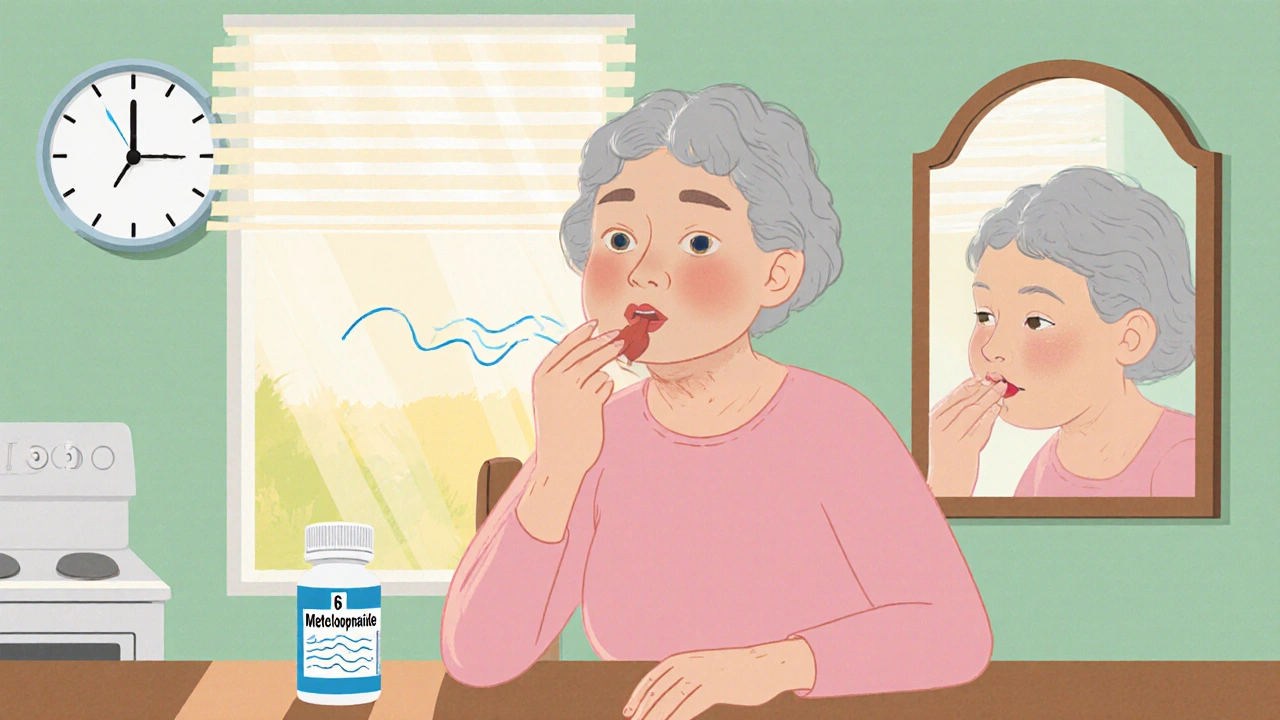
Metoclopramide helps with nausea and stomach issues but can cause permanent movement disorders like tardive dyskinesia. Learn who's at risk, how to spot early signs, and safer alternatives.