Connection: How medications, care, and reliable info fit together

Ever wondered how one pill affects another, or how to trust an online pharmacy? The "connection" tag pulls together posts that explain those links—drug interactions, safe buying, alternatives when a medicine doesn’t work, and real-world care tips. Use this page when you want clear, practical help instead of scattered facts.

Here you’ll find articles like guides for buying Esomeprazole or Levlen safely online, comparisons of alternatives to drugs such as Simvastatin, Escitalopram, or Amoxil, and hands-on pieces about things like OTC diuretics vs Lasix. Other posts cover patient-facing topics—choosing a fertility clinic, pet therapy for immunodeficiency, or how mesalamine changed lives—showing that connection is about both drugs and people.

Quick checks before you buy or switch meds

Short, actionable steps to reduce risk:

  • Check interactions: Always verify new meds against current prescriptions. For example, switching off simvastatin may mean considering ezetimibe or PCSK9 inhibitors—ask your prescriber for specifics.
  • Verify online pharmacies: Look for a physical address, professional contact, SSL on the site, and a requirement for a prescription. Fake shops often hide these details.
  • Look up safety profiles: If a drug causes side effects, search for trusted alternatives—many posts here list practical swaps and when to consult a doctor.
  • Keep records: Note doses, start dates, and any new symptoms. This makes it easier to trace cause and effect when drugs interact or produce side effects.

These checks are short to do but can prevent common problems like harmful drug interactions, bad online purchases, or delayed care.

Find the right article fast

Scan the brief summaries below to find what you need: buying guides (Quibron-T, Levlen, Esomeprazole), alternatives lists (Amoxil, Benazepril, Valtrex, Escitalopram), and practical reviews (OTC diuretics vs Lasix, Lquin, Diovan). If you want human stories and care tips, read the fertility clinic guide or our stories on mesalamine and pet therapy.

If you’re unsure where to start, pick a problem: "I need a safe online source," "I’m getting side effects," or "I need an alternative." Each article gives clear next steps—what to ask your doctor, what to check on a pharmacy site, and how to track results after a change.

Still need help? Use the Contact Us page to ask specific questions about a post or a medicine. We’ll point you to the right articles and practical next steps so you can make safer choices without the guesswork.

Lamivudine and the risk of lactic acidosis: Understanding the connection 29 May 2023
Lamivudine and the risk of lactic acidosis: Understanding the connection

In recent studies, I've discovered a connection between Lamivudine, an antiviral medication, and the risk of developing lactic acidosis. Lactic acidosis is a serious condition caused by the build-up of lactate in the body, leading to a dangerously low pH level. It appears that Lamivudine might increase the risk of lactic acidosis, especially in patients with pre-existing liver problems or those on long-term treatment. It is crucial to monitor patients on Lamivudine closely and watch for any signs of lactic acidosis. As a blogger, I want to emphasize the importance of understanding this connection and discussing it with your healthcare provider if you are on Lamivudine therapy.

The Connection between Major Depressive Disorder and Eating Disorders 27 May 2023
The Connection between Major Depressive Disorder and Eating Disorders

In my recent research, I found a significant connection between Major Depressive Disorder (MDD) and eating disorders. It appears that individuals suffering from MDD are at a higher risk of developing eating disorders such as anorexia, bulimia, or binge-eating disorder. This link may be attributed to the fact that depression can lead to emotional eating, body image issues, and a lack of interest in maintaining a healthy lifestyle. Additionally, it seems that the biochemical changes in the brain associated with MDD may contribute to the development of eating disorders. As a result, it's crucial to address both mental health and eating habits when treating these conditions to ensure a holistic recovery.

Nifedipine and Hair Loss: Is There a Connection? 30 Apr 2023
Nifedipine and Hair Loss: Is There a Connection?

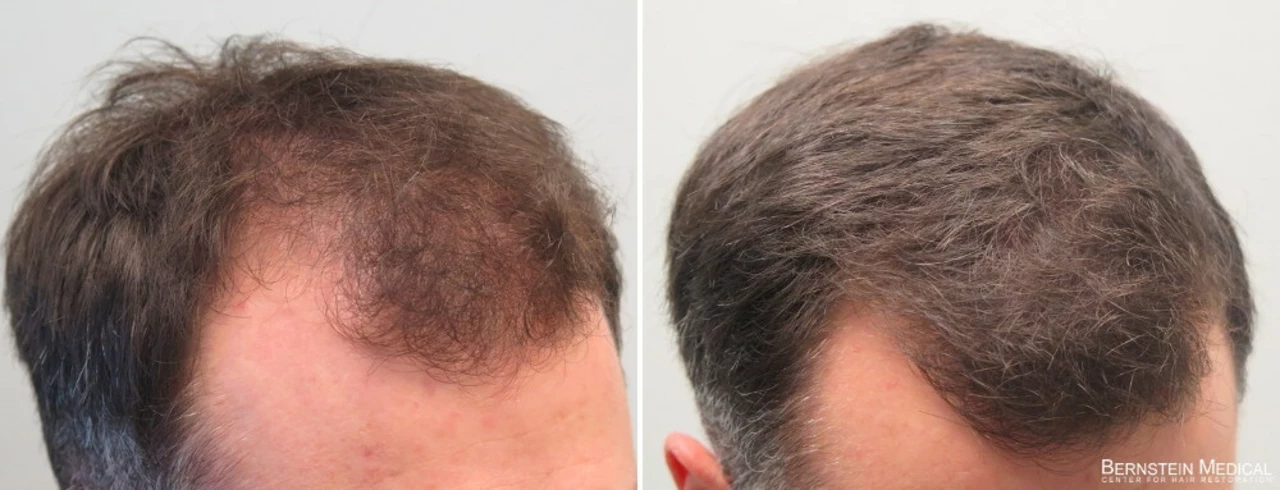
In my recent research, I stumbled upon a possible connection between Nifedipine, a medication used to treat high blood pressure, and hair loss. It turns out that some individuals taking this drug have reported experiencing hair thinning or even increased shedding. Although there isn't a significant number of cases, it's still worth considering if you're noticing hair loss while on Nifedipine. That being said, it's crucial to consult with your doctor before making any changes to your medication. In the meantime, I'll continue to explore this topic and share any new findings with you all.

The connection between chronic pain and symptoms of depression 29 Apr 2023
The connection between chronic pain and symptoms of depression

As a blogger, I've been exploring the connection between chronic pain and symptoms of depression. It's fascinating to learn how these two conditions often go hand-in-hand, as chronic pain can lead to feelings of hopelessness and isolation. Moreover, it's been found that depression can actually exacerbate pain, creating a vicious cycle that's difficult to break. It's essential for those suffering from both chronic pain and depression to seek professional help, as treating one condition can often lead to improvement in the other. Overall, understanding the connection between these two conditions can help us better support those who are struggling.