Proton Pump Inhibitors Side Effects: What You Need to Know
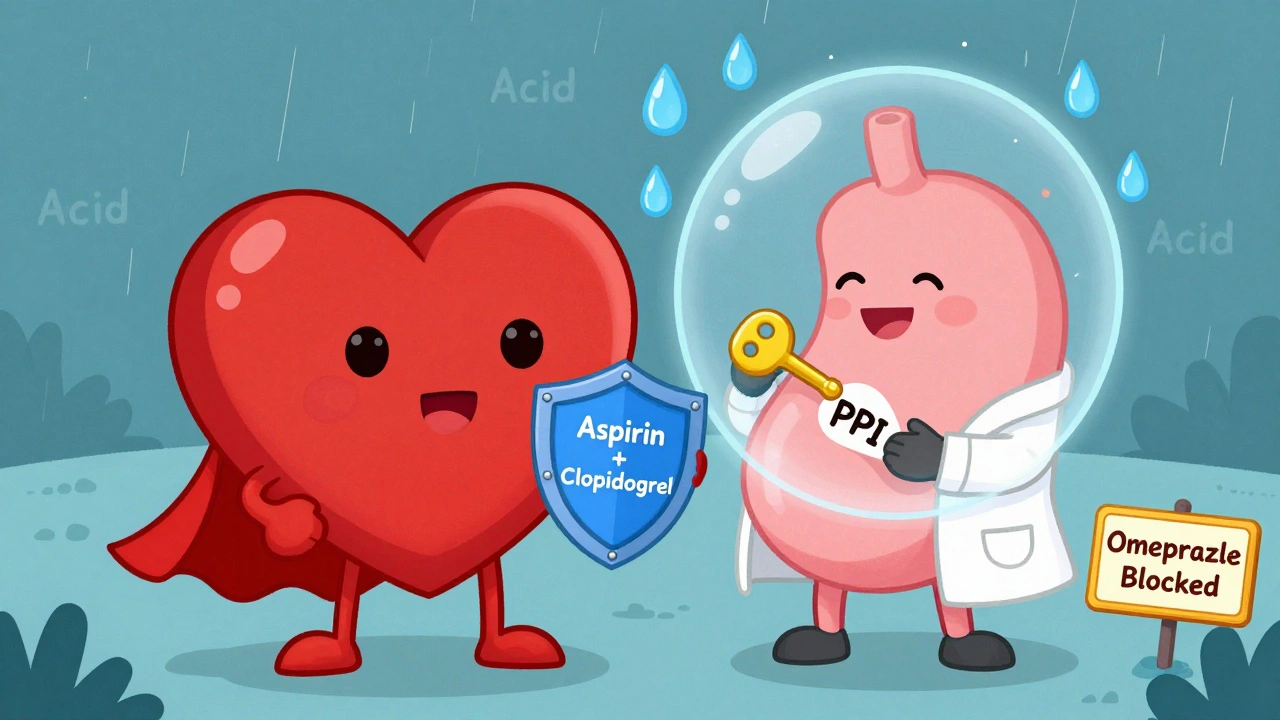
When you take a proton pump inhibitor, a class of drugs that reduce stomach acid by blocking the enzyme system responsible for acid production. Also known as PPIs, these medications are among the most prescribed drugs in the world — used for heartburn, ulcers, and GERD. But while they work fast, their long-term use isn’t harmless.
Many people take PPIs for months or even years without realizing the hidden risks. Studies show that long-term use can lead to low magnesium levels, a condition that can cause muscle cramps, irregular heartbeat, and seizures, and increase your chance of bone fractures, especially in older adults who already have weaker bones. Your gut microbiome also takes a hit — PPIs change the balance of bacteria in your intestines, which can lead to C. diff infections, a serious type of diarrhea that’s hard to treat and often comes back. Even worse, stopping PPIs suddenly can cause rebound acid hypersecretion — your stomach overcompensates and makes more acid than before, making you feel worse than when you started.
These drugs aren’t the problem — it’s how they’re used. Most people don’t need to take them daily for years. If you’re on a PPI because of occasional heartburn, you might be able to switch to an H2 blocker, change your diet, or lose weight. If you’ve been on one for more than a year, talk to your doctor about tapering off. The goal isn’t to scare you away from PPIs — it’s to make sure you’re not using them longer than needed. The posts below break down real cases, side effect patterns, and what to do if you’re feeling off while on these meds. You’ll find what works, what doesn’t, and how to take control without going back to the pharmacy for another refill.