Prescriber Communication: How to Talk to Your Doctor About Medications
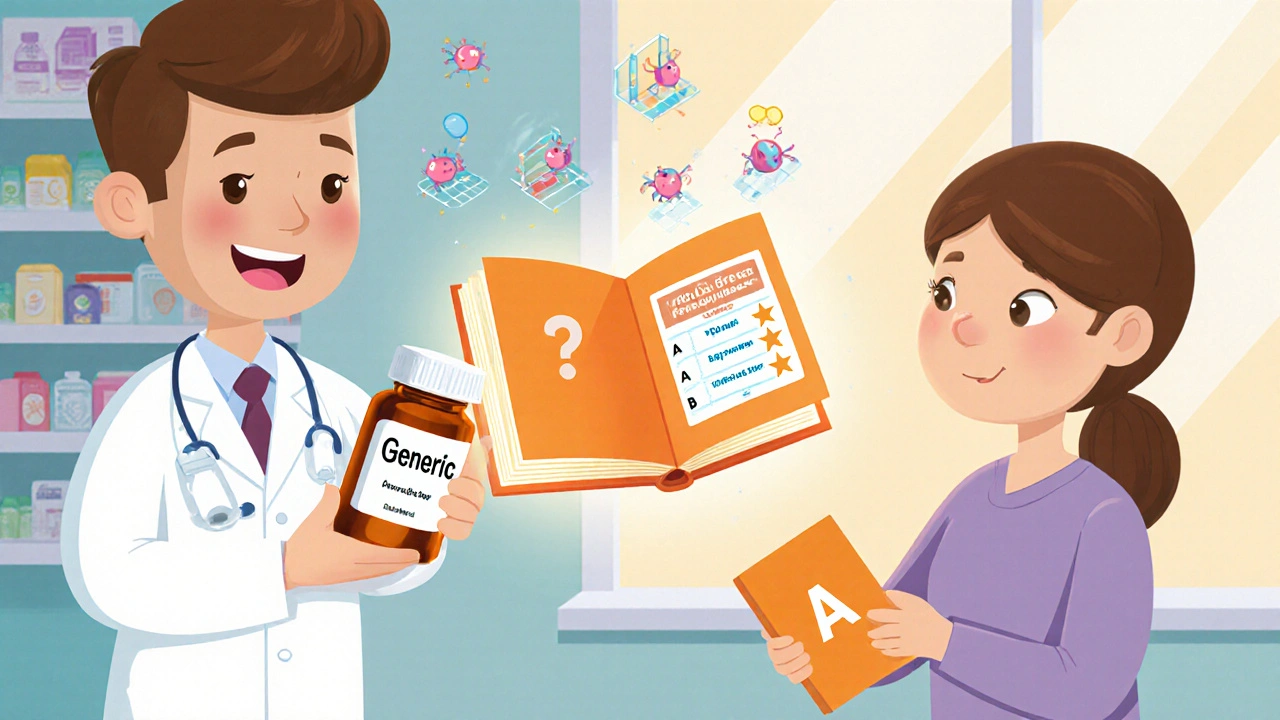
When it comes to your health, prescriber communication, the clear, two-way exchange between patients and healthcare providers about medications. Also known as doctor-patient dialogue, it’s not just about taking pills—it’s about understanding why you’re taking them, what to watch for, and when to speak up. Too many people leave the office with a prescription in hand but no real answers. That’s where things go wrong. A missed question about side effects, a vague answer about interactions, or not knowing how to tell your doctor something isn’t working—these small gaps lead to big problems. Studies show nearly half of all medication errors happen because the patient didn’t fully understand what they were told.
Good prescriber communication isn’t about being loud or pushy. It’s about being prepared. You don’t need medical jargon. You need to know what to ask. For example: drug side effects, unwanted reactions that can range from mild nausea to dangerous heart rhythms—are they common? Will they fade? What should you do if they don’t? medication safety, the practice of using drugs correctly to avoid harm starts with this kind of clarity. And it’s not just about the doctor. Pharmacists are part of this chain too. The same questions you ask your prescriber—about storage, timing, or food interactions—should be repeated at the pharmacy counter. Many people don’t realize that pharmacists are trained to catch dangerous combinations before they happen.
Some of the most common issues we see in the posts below come down to poor communication. Someone took an SSRI and didn’t tell their doctor about the sexual side effects because they were embarrassed. Someone kept using a generic drug that wasn’t working, assuming it was their fault, not realizing the FDA’s therapeutic equivalence codes, ratings that tell you if a generic is truly interchangeable with the brand might not apply to their case. Another person didn’t know grapefruit could turn their statin into a poison because no one explained it. These aren’t rare mistakes. They’re preventable.
The posts here aren’t just about drugs. They’re about how to use them safely, and that starts with how you talk to the people who give them to you. You’ll find real advice on asking the right questions at the pharmacy, spotting red flags in generics, managing side effects without quitting your meds, and knowing when a drug just isn’t right for you—even if your doctor says it should be. This isn’t about arguing with your prescriber. It’s about working with them. And it starts with one simple rule: if you don’t understand, say so. No judgment. No shame. Just clear questions. That’s how you take back control.