Medication Reconciliation: What It Is and Why It Saves Lives
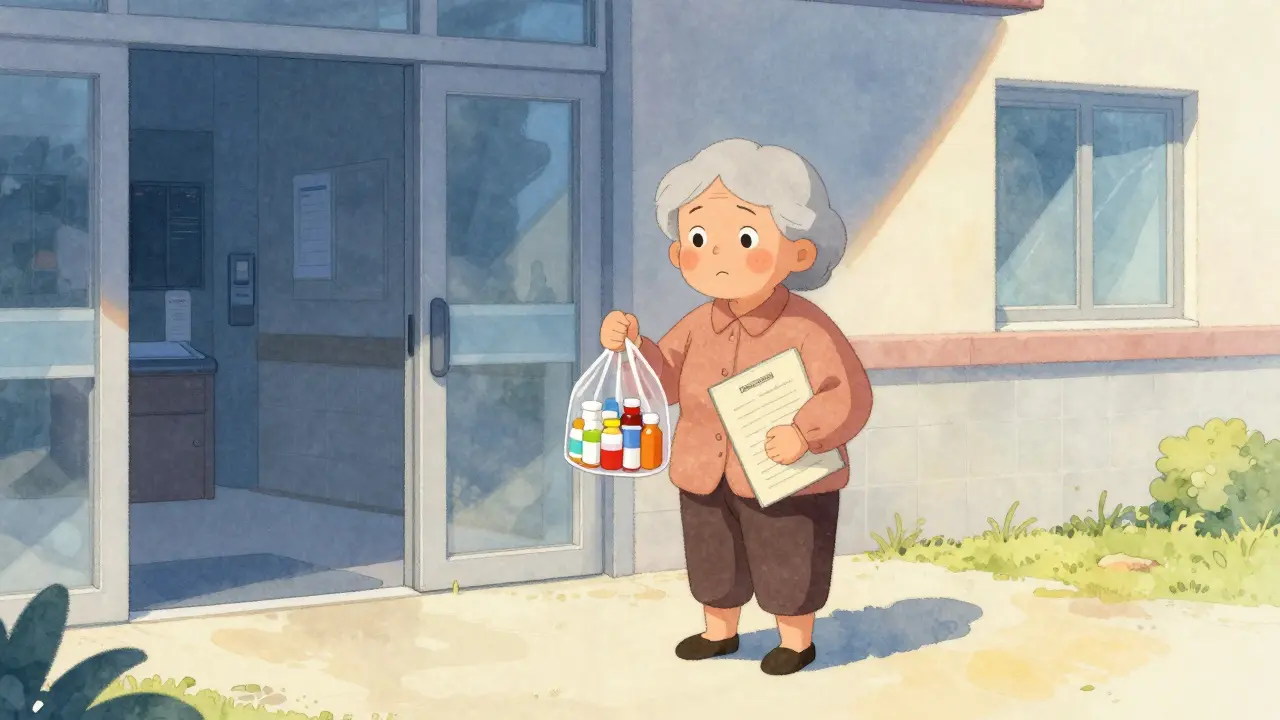
When you’re taking multiple drugs—maybe for high blood pressure, diabetes, depression, and joint pain—medication reconciliation, the process of comparing your current medications with what you should be taking to catch errors and avoid dangerous overlaps. It’s not just a hospital formality—it’s your safety net. Think of it like double-checking your bank statement before you spend. One wrong pill, one missed dose, one unreported supplement, and you could end up in the ER with bleeding, kidney failure, or a dangerous serotonin spike.
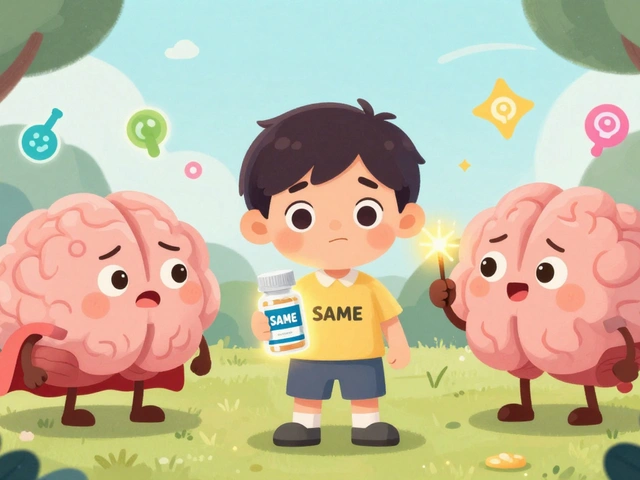
It’s not just about the pills you’re on. It’s about what you’re not telling your doctor. That green tea you drink every morning? It can throw off your warfarin, a blood thinner that’s sensitive to vitamin K levels. That SAMe supplement for mood? It can crash into your antidepressants, triggering serotonin syndrome—a life-threatening surge in brain chemicals. Even something as simple as grapefruit can turn your statins, cholesterol drugs that break down in the liver into a toxin. Medication reconciliation doesn’t guess. It asks. It listens. It cross-references.
Pharmacists are the unsung heroes here. They use tools like the Orange Book, the FDA’s official list of generic drug equivalencies to make sure your generic isn’t just cheaper—it’s truly interchangeable. They spot when a PPI, a stomach acid reducer often prescribed with antiplatelets might be masking a bleeding risk instead of preventing it. They know which NTI drugs, narrow therapeutic index medications like warfarin or thyroid pills where tiny dose changes cause big problems need extra scrutiny. And they’re the ones who remind you that your medication reminder apps, tools that help you stay on schedule won’t fix a list that’s outdated.
This isn’t theoretical. People skip doses because they’re confused. They mix supplements because they think natural means safe. They don’t tell their doctor about over-the-counter painkillers because they don’t think they count. Medication reconciliation fixes that. It turns guesswork into clarity. It turns chaos into control. And it doesn’t just happen in hospitals—it needs to happen every time you refill a prescription, see a new doctor, or get discharged from the ER.
Below, you’ll find real stories and hard facts about what goes wrong when reconciliation fails—and how to make sure it doesn’t happen to you. From how to ask the right questions at the pharmacy counter to why some generics cause trouble and how to spot them, this collection gives you the tools to take charge. No jargon. No fluff. Just what you need to stay safe, one pill at a time.