Medication Management: Stop Errors, Save Money, and Stay Safe
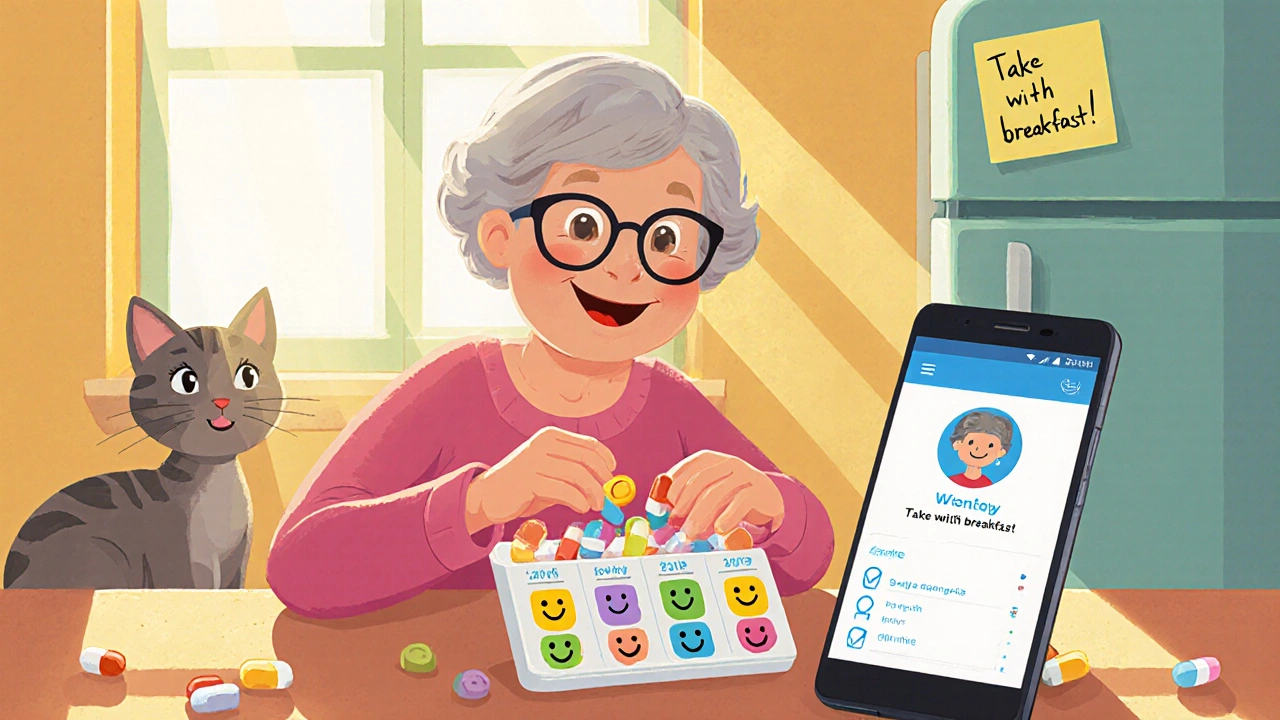
When you're taking more than one drug, medication management, the practice of tracking, organizing, and safely using all your drugs to avoid harm and get the best results. Also known as drug therapy management, it’s not just a checklist—it’s your lifeline. Most people think it’s about remembering to take pills. But the real danger? Interactions you never saw coming. Like green tea lowering your warfarin’s effect, or grapefruit turning your statin into a muscle-damaging bomb. These aren’t rare cases—they’re everyday risks hidden in plain sight.
Good medication adherence, the habit of taking drugs exactly as prescribed, even when you feel fine. Also known as compliance, it’s the foundation of everything. But side effects kill adherence faster than anything. Nausea from Ozempic? Weight gain from SSRIs? Tired of being told "it’ll get better"? It doesn’t always. That’s why knowing how to talk to your pharmacist matters. They’re the ones who spot when a generic isn’t working right, or when your new PPI could be raising your heart attack risk instead of lowering it. And if you’re on a narrow therapeutic index drug—like warfarin or thyroid meds—tiny changes in blood levels can mean disaster. That’s where therapeutic equivalence, the FDA’s system for deciding if a generic drug can safely replace a brand-name version. Also known as AB rating, it’s the invisible rulebook behind your prescription becomes critical. Not all generics are equal. Some work fine. Others? They cause confusion, panic, and even hospital trips.
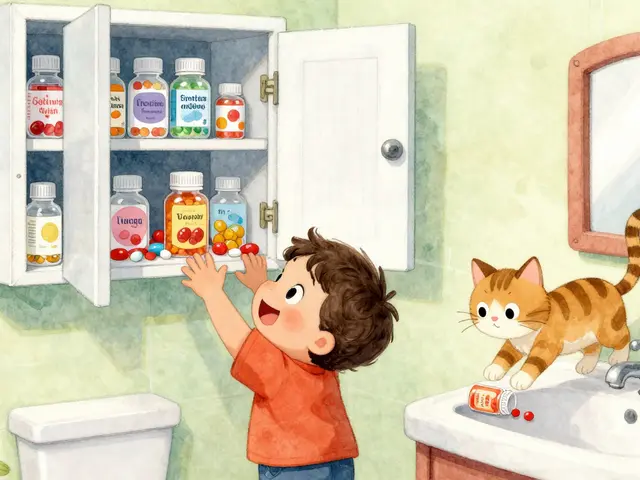
Then there’s medication safety, the set of practices designed to prevent harm from drugs, whether from mistakes, interactions, or poor storage. Also known as drug safety, it’s the difference between life and a trip to the ER. It’s not just about labels. It’s about storing epinephrine where your kid can’t reach it but you can grab it in seconds. It’s about asking your pharmacist: "What happens if I skip this pill?" It’s about knowing that metoclopramide might give you permanent twitching, or that folic acid isn’t optional if you’re on methotrexate. And when you’re discharged from the hospital? One wrong dose can undo weeks of progress. That’s why medication reconciliation isn’t paperwork—it’s protection.
You’ll find real stories here: how cancer patients avoid financial ruin, why generic shortages are getting worse, how to decode FDA labels, and what questions to ask before you swallow that pill. No fluff. No theory. Just what works—and what could kill you if you ignore it.