Generic Drug Safety: What You Need to Know About Quality, Substitution, and Risks
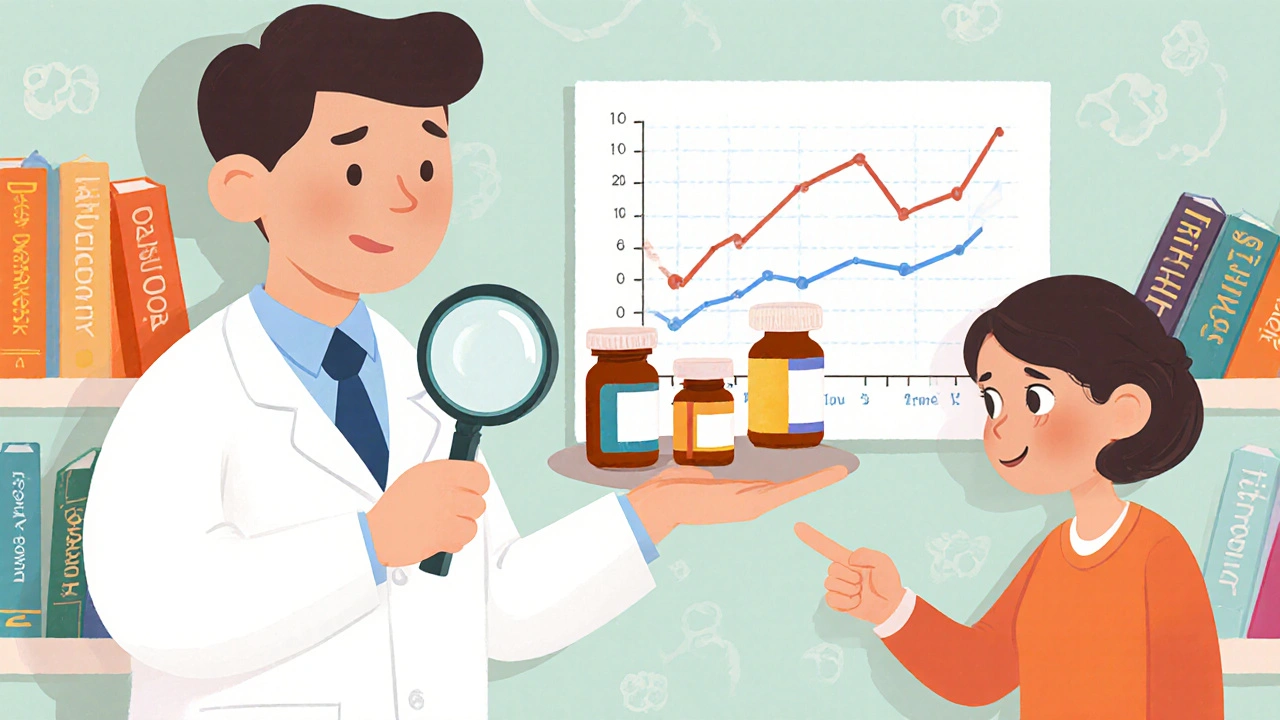
When you pick up a generic drug, a medication that contains the same active ingredient as a brand-name drug but is sold under its chemical name. Also known as generic medication, it works the same way, costs far less, and fills over 90% of prescriptions in the U.S. But safety isn’t guaranteed just because it’s cheap. Not all generics are created equal—and knowing the difference can keep you out of the hospital.
The FDA approval, the process that ensures generic drugs meet strict standards for strength, purity, and performance. Also known as Abbreviated New Drug Application (ANDA), it’s how these drugs get legal clearance without repeating costly clinical trials. But approval doesn’t mean identical. For most drugs, a generic is just as safe and effective. But for NTI drugs, narrow therapeutic index drugs where tiny changes in blood levels can cause toxicity or treatment failure. Also known as narrow window medications, they include warfarin, levothyroxine, and certain anti-seizure pills. Here, even small differences in how the body absorbs the drug can be dangerous. That’s why therapeutic equivalence, the FDA’s official rating system that tells pharmacists which generics can be swapped without risk. Also known as AB codes, it’s printed in the Orange Book. An AB rating means you can switch safely. A B rating? That’s a red flag. Your pharmacist might not tell you unless you ask.
Some people worry that generics are made in lower-quality factories. The truth? Many brand-name and generic drugs come from the same plants. The difference isn’t the factory—it’s the inactive ingredients, the coating, the fillers. These can affect how fast the drug gets into your blood. That’s why generic drug safety isn’t about the name on the bottle. It’s about knowing your drug’s type, checking its FDA code, and watching for side effects after a switch. If you’re on a blood thinner, thyroid medicine, or epilepsy drug, ask your doctor or pharmacist: Is this AB-rated? Do I need therapeutic drug monitoring?
What you’ll find below isn’t just theory. These are real stories from people who switched generics and got sick. From warfarin spikes to seizures triggered by a new batch. From confusion over substitution rules to how to spot a bad batch before it hurts you. You’ll see how patients protect themselves, what the FDA actually monitors, and which drugs demand extra caution. No fluff. No marketing. Just what you need to stay safe when you’re taking the cheapest option.