Financial Toxicity: When Your Prescription Costs More Than Your Health Can Bear
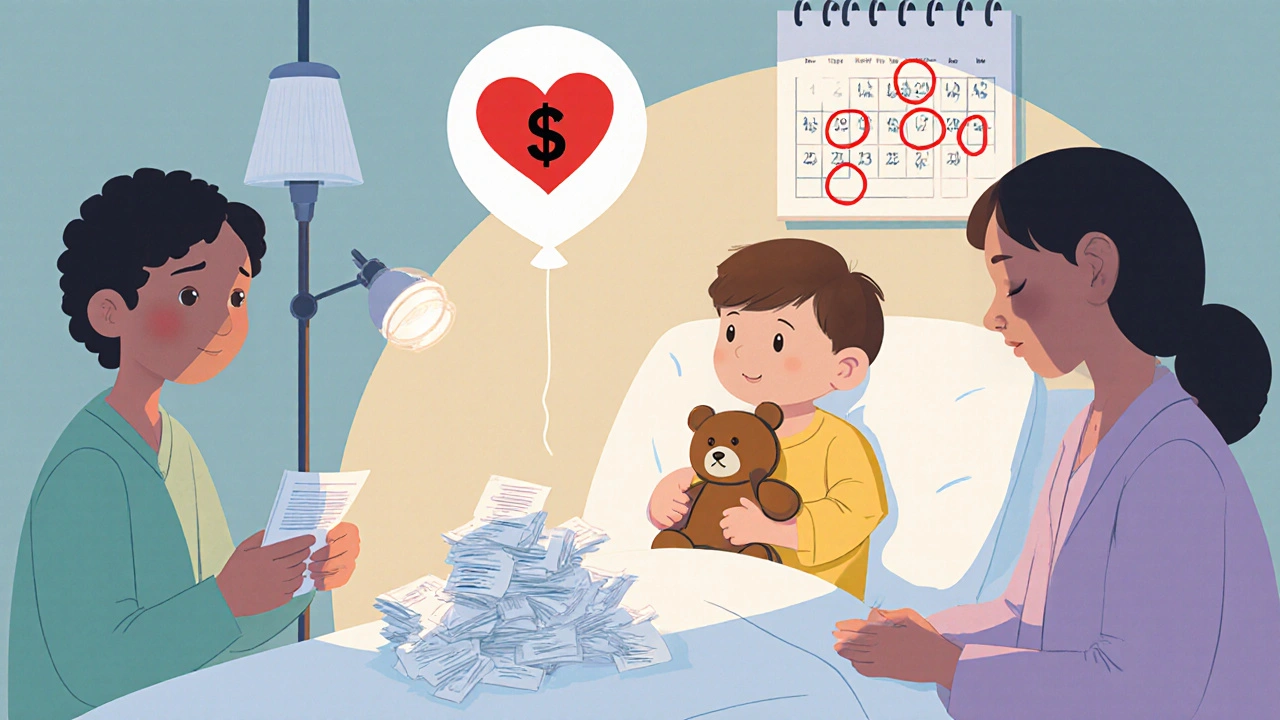
Financial toxicity, the crippling burden of medical costs that forces people to skip meds, choose between food and pills, or go into debt just to stay alive. Also known as treatment-related financial hardship, it’s not a side effect—it’s a system failure. You take your pills every day. You follow every instruction. But then you get the bill. $800 for a 30-day supply. $1,200 for a generic that used to cost $40. And suddenly, your health isn’t just about symptoms—it’s about bank balances.
This isn’t rare. One in four Americans skips doses because they can’t afford them. And it’s not just brand-name drugs. Generic drug shortages, caused by razor-thin profit margins and manufacturing shutdowns mean even the cheap options vanish. When a generic maker stops producing a drug because the price dropped too low, patients don’t get alternatives—they get silence. That’s financial toxicity in action. And it’s not just about the cost of the pill. It’s about the ER visits you can’t afford when you skip doses. The lost wages when you’re too sick to work. The credit card debt you rack up trying to keep your treatment going.
Some people try to stretch their meds. Others split pills. A few trade pills with friends. None of it’s safe. And yet, the system doesn’t give you better options. Medication adherence, the simple act of taking your drugs as prescribed becomes impossible when you’re choosing between insulin and rent. Out-of-pocket expenses, what you pay after insurance, if you even have it are rising faster than wages. And while pharmacies push generics, they don’t always tell you when those generics aren’t available—or when they’re unsafe.
You’ll find real stories here. People who stopped their blood thinners because of cost. Parents who chose between their child’s asthma inhaler and groceries. Seniors who ration their heart meds. You’ll also find practical fixes: how to talk to your pharmacist about cheaper alternatives, when to ask for samples, how to find patient assistance programs that actually work, and why some "generic" drugs are riskier than others. This isn’t about blaming patients. It’s about exposing how the system breaks people—and what you can do to fight back.
Below, you’ll see how drug pricing, generic supply chains, medication safety, and patient support all tie into this one brutal reality: too many people are paying with their health just to stay alive.