Cheap Generic Drugs: What You Need to Know About Savings, Safety, and Supply
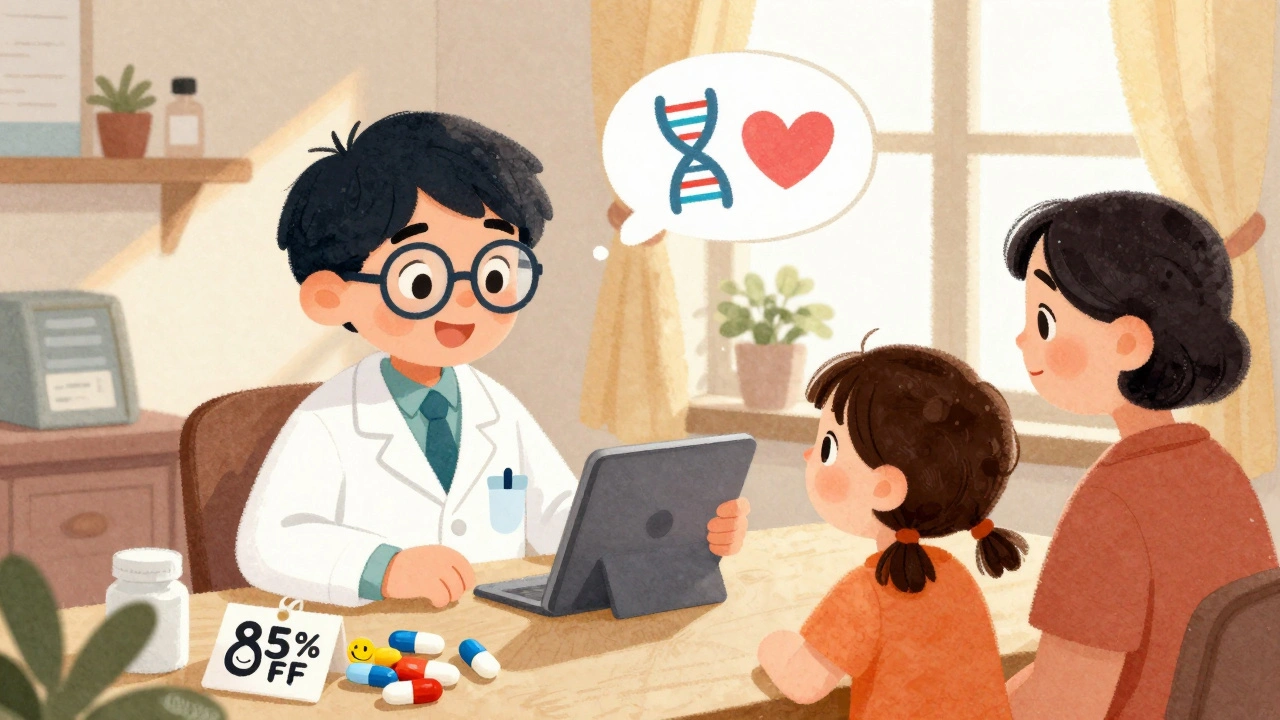
When you pick up a cheap generic drug, a lower-cost version of a brand-name medication approved by the FDA as therapeutically equivalent. Also known as generic medication, it works the same way as the original but often costs 80% less. This isn’t magic—it’s the result of patent rules, competition, and a system designed to keep healthcare affordable. But here’s the catch: not all cheap generics are created equal. Some work perfectly. Others? They cause problems you didn’t expect.
The FDA’s Abbreviated New Drug Application, the streamlined process that lets generic manufacturers prove their drugs match brand-name versions without repeating costly clinical trials. Also known as ANDA process, it’s what makes low-cost drugs possible. But when too many companies make the same drug, prices crash. Manufacturers quit. And that’s when generic drug shortages, sudden gaps in supply caused by economic pressures, not lack of demand. Also known as pharmaceutical supply failures, they leave patients without essential meds happen. Think insulin, antibiotics, or blood pressure pills—drugs you can’t afford to miss. It’s not about quality. It’s about profit margins.
Then there’s therapeutic equivalence, the FDA’s official rating that tells pharmacists if a generic can safely replace a brand-name drug. Also known as AB code, it’s your safety net. But not every generic gets an A rating. Some are flagged as B—meaning they might not work the same for everyone, especially with drugs like warfarin, seizure meds, or thyroid pills. That’s why pharmacists sometimes call your doctor before switching. And why you should always ask: Is this the same as what I was taking?
People assume cheap means risky. But the real risk isn’t the price—it’s the silence around it. You won’t hear about the generic that worked great. But you’ll hear about the one that made you dizzy, caused a flare-up, or didn’t control your blood sugar. That’s why knowing the difference between a safe substitution and a problem generic matters. It’s not about trusting the label. It’s about understanding the system behind it.
Below, you’ll find real stories and facts about how generic drugs get made, when they fail, who watches out for you, and how to protect yourself when the price is too good to be true. No fluff. No hype. Just what you need to know before you take the next pill.