
More than 67% of people under the age of 50 carry the Herpes Simplex Virus, a common infection that affects nearly 3.7 billion individuals globally. Despite these staggering numbers, many people walk around unaware they are infected, or they struggle with misinformation about how to manage outbreaks. Understanding the difference between the viral types, recognizing the early warning signs, and knowing your treatment options can significantly reduce transmission risk and improve quality of life. This guide breaks down the clinical reality of HSV, moving beyond stigma to practical management strategies backed by current medical guidelines.
Understanding the Viral Types
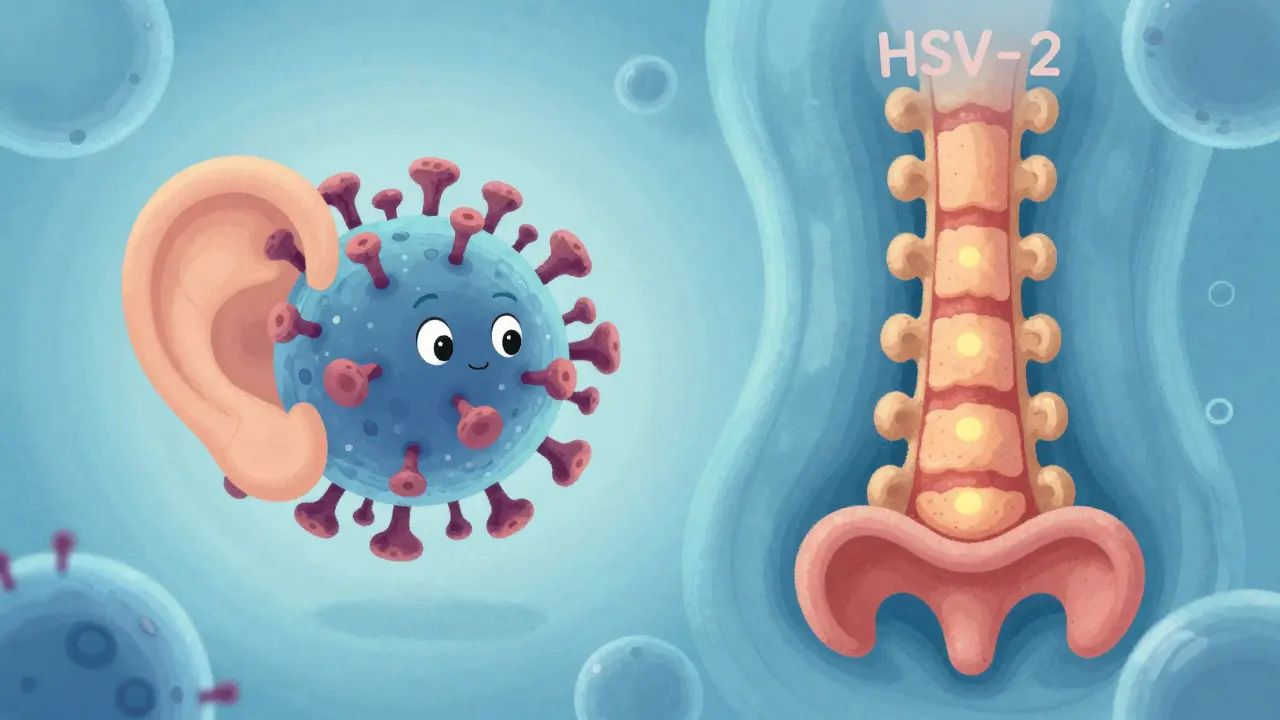
When discussing this infection, you are dealing with two distinct viruses that share similarities but behave differently in the body. HSV-1 is typically associated with oral infections but increasingly causes genital outbreaks. It establishes latency in the trigeminal ganglion, which is a cluster of nerve cells near your ear. Historically, this was the "cold sore" virus, but sexual contact has shifted its epidemiology. In high-income countries, HSV-1 now causes about 67% of new genital herpes cases.
HSV-2 is primarily responsible for genital herpes infections. This virus tends to reside in the sacral ganglia, located in the lower spine. While HSV-1 can cause genital lesions, HSV-2 remains the predominant cause, accounting for 70-80% of genital cases. The recurrence rates differ substantially between the two. HSV-2 genital infections recur at a median rate of 4 to 5 times per year, whereas HSV-1 genital infections recur much less frequently, often only 0.2 to 0.5 times annually. This distinction matters for long-term management plans.
Recognizing Symptoms and Prodrome
Clinical manifestations follow a predictable pattern that helps in early identification. After an incubation period of 2 to 20 days, patients often experience prodromal symptoms. These are warning signs that an outbreak is imminent, lasting less than 6 hours in recurrent cases. You might feel localized burning, tingling, or itching at the site where lesions will appear. Recognizing this phase is crucial because starting treatment within 24 hours can reduce healing time by 50%.
Once the prodrome passes, clusters of vesicles form on an erythematous base. These blisters are typically 0.5 to 1.5 cm in size. They evolve through stages of ulceration, crusting, and finally healing over 7 to 21 days without scarring in most cases. Primary orolabial HSV-1 infection in children often presents as acute herpetic gingivostomatitis. This severe form includes fever, painful oral ulcers, and difficulty swallowing, requiring hospitalization in 5-10% of severe cases. Primary genital HSV-2 infection manifests differently, with 93% of patients reporting painful genital ulcers and 78% experiencing dysuria, which is pain during urination.
| Feature | HSV-1 | HSV-2 |
|---|---|---|
| Primary Location | Orolabial (90%) | Genital (70-80%) |
| Latency Site | Trigeminal Ganglion | Sacral Ganglia |
| Recurrence Rate | 0.2-0.5 times/year | 4-5 times/year |
| Asymptomatic Shedding | 5-10% of days | 10-20% of days |
Diagnostic Protocols and Testing
Accurate diagnosis is the first step toward effective management. The CDC guidelines specify that PCR Testing is the gold standard for detecting HSV DNA from lesion swabs. This method has a sensitivity of 95-98%, compared to viral culture which only detects 70-80% of active cases. Results are typically available within 24 to 72 hours. PCR is particularly important during the active outbreak phase when lesions are present.
For asymptomatic periods, serologic testing using type-specific glycoprotein G (gG) assays is the standard. Tests like the HerpeSelect ELISA demonstrate 97-98% sensitivity and 94-98% specificity at 16 weeks post-infection. It is vital to wait until 16 weeks after potential exposure for accurate results, as antibodies take time to develop. The discontinuation of the HerpeSelect 2 ELISA test in 2022 created a diagnostic void, now largely filled by EUROIMUN's recomLine HSV IgG test. Understanding these testing windows prevents unnecessary anxiety from false negatives taken too early.

Antiviral Therapy Options
Management relies heavily on Antiviral Therapy designed to inhibit viral replication. The Infectious Diseases Society of America recommends episodic therapy for initial outbreaks. This involves taking medication only when symptoms appear. A common regimen is acyclovir 400mg three times daily for 5 days. Clinical trials show this reduces healing time from a median of 19 days to 10 days and pain duration from 12 to 8 days.
For frequent outbreaks, daily suppressive therapy is the standard of care. Valacyclovir is a prodrug of acyclovir with better bioavailability. A daily dose of 500mg reduces HSV-2 transmission to uninfected partners by 48%. This is a critical intervention for couples where one partner is positive and the other is negative. While acyclovir is effective, valacyclovir is often preferred due to less frequent dosing. Another option is famciclovir, which some patients tolerate better if they experience nausea with other medications.
Resistance to these drugs is rare in immunocompetent patients but occurs in about 10% of HSV isolates in HIV-positive patients with low CD4 counts. In these cases, foscarnet therapy is required. For ocular infections, topical trifluridine 1% drops are used hourly, reducing healing time from 21 to 14 days compared to placebo. It is important to note that while these drugs manage symptoms and reduce transmission, they do not cure the latent infection.
Special Considerations and Risks
Pregnancy presents unique challenges regarding Neonatal Herpes transmission. This condition occurs in 1 in 3,200 births in the US. If a mother has an active outbreak during delivery, the risk of transmitting the virus to the newborn is high. Management protocols reduce neonatal transmission risk from 30-50% to 1-3% when managed appropriately. The American College of Obstetricians and Gynecologists recommends suppressive therapy for pregnant women with recurrent outbreaks starting at 36 weeks.
Ocular HSV infection, known as Herpes Keratitis, is responsible for 50,000 new cases of corneal blindness annually in the US. It is predominantly caused by HSV-1. If you experience eye pain, redness, or sensitivity to light, seek immediate care. Delayed treatment can lead to permanent vision loss. Conversely, encephalitis is rare but serious. HSV-1 causes 95% of sporadic herpes encephalitis cases, often involving the temporal lobe. Early recognition of neurological symptoms is vital for survival.

Prevention and Lifestyle Management
Reducing transmission involves a combination of medication and behavioral changes. Daily suppressive therapy with valacyclovir reduces viral shedding significantly. However, asymptomatic shedding still occurs on 10-20% of days for HSV-2. Using condoms provides additional protection but does not eliminate risk entirely since lesions can appear on skin not covered by latex. Avoiding sexual contact during the prodrome phase and active outbreaks is the most effective behavioral control measure.
Psychological impact is often overlooked. Surveys indicate 74% of HSV-positive individuals experience stigma-related anxiety. Many delay disclosing their status for over 6 months due to fear of judgment. Support resources like the American Sexual Health Association handle thousands of calls annually to provide accurate information. Understanding that this is a manageable condition helps reduce the mental burden associated with the diagnosis.
Frequently Asked Questions
Can you cure herpes simplex virus completely?
Currently, there is no cure that eliminates the virus from the body. HSV establishes a lifelong latent infection in nerve ganglia. However, antiviral therapy effectively manages symptoms, reduces outbreak frequency, and lowers transmission risk significantly.
How do I know if I have HSV-1 or HSV-2?
Type-specific serologic testing (IgG) can distinguish between HSV-1 and HSV-2 antibodies. PCR testing of active lesions can also identify the specific viral type present at the infection site.
Is it safe to have sex during an outbreak?
No. Sexual contact should be avoided during the prodrome phase and while active lesions are present. This is when the risk of transmission is highest due to viral shedding and direct contact with sores.
What are the side effects of antiviral medication?
Common side effects include headache, nausea, and occasionally renal impairment in patients with pre-existing kidney disease. Most patients tolerate these medications well, but dosage adjustments may be needed for those with kidney issues.
When should I start taking medication for an outbreak?
Start medication as soon as you feel prodromal symptoms like tingling or itching. Initiating treatment within 24 hours of symptom onset reduces healing time by 50% compared to waiting until lesions are fully formed.
Managing herpes simplex virus requires a proactive approach combining medical treatment with lifestyle adjustments. By understanding the specific viral type, recognizing early symptoms, and utilizing effective antiviral therapy, you can control the condition and minimize its impact on your daily life. Regular consultation with healthcare providers ensures you stay updated on the latest treatment protocols and diagnostic tools available.


9 Comments
Tony Yorke
Recognizing the prodrome phase is the key to stopping the outbreak before it really gets going.
Jeannette Kwiatkowski Kwiatkowski
Most people lack the basic education required to understand viral latency properly. It is frankly embarrassing how many ignore the science behind the trigeminal ganglion. You really need to read the guidelines instead of relying on internet myths. The distinction between HSV-1 and HSV-2 is not optional knowledge. People who ignore this put their partners at significant risk. It is a matter of basic responsibility and hygiene. I expect better from this community regarding medical facts. The data on recurrence rates is quite clear and should be respected. Ignorance is not an excuse for poor management of a chronic condition. We need to stop normalizing the lack of preparation for outbreaks.
Aaron Olney
This is scarry af and i dont know what to do about it. The pain sounds like a nightmare and i am scared to touch my own skin. I read the part about the nerve cells and it freaked me out so bad. Why does the virus hide in the spine and wait for us to get weak. I feel like i might have it but i am to scared to go to the doctor. The blisters sound gross and i hope i never see them. I need to know if the meds really work or if they are just a placebo. This info is heavy and i feel like crying about the risks. I guess i should just buy the pills before i get sick. It is just so much pressure to manage this every day.
Monique Ball
It is so important that we all understand the testing windows correctly! You really need to wait sixteen weeks for the antibodies to show up! Many people get false negatives because they test too soon! The PCR test is the gold standard for active lesions! You should definitely talk to your doctor about suppressive therapy options! Valacyclovir is a great option for reducing transmission to partners! It is wonderful that there are treatments that help manage the symptoms! The psychological impact is real and deserves support! You are not alone in this journey with the virus! Stigma is a huge problem that we need to fight together! The American Sexual Health Association has great resources for you! Please remember that this is a manageable condition! You can live a full life with the right care! I hope this information helps you feel more empowered! Always prioritize your health and safety first! 😊💪🏥
gina macabuhay
You are clearly panicking over nothing if you have no symptoms. Your dramatic outburst suggests a lack of basic medical literacy. You should read the guidelines before posting such fear. It is pathetic to spread anxiety without evidence of infection. The virus does not affect everyone the same way. Your fear is unwarranted and counterproductive to the discussion. Stop making this about your feelings and focus on the facts. The data shows manageable recurrence rates for most people. You need to stop acting like a victim and take responsibility. Your tone is inappropriate for a medical discussion.
Monique Louise Hill
You really should be more careful about your hygiene habits. It is your fault if you catch something like this. People who do not protect themselves deserve the consequences. 😡🚫 You need to stop blaming the virus for your own choices. This is a lesson in responsibility for everyone here. I hope you learn from this experience. 🙄
Devon Riley
I know this topic can feel really overwhelming for some people. It is important to remember that you are not defined by a virus. There are so many resources available to help you through this. You deserve support and understanding from your community. Please know that there is hope for management and healing. ❤️🌟
Tommy Nguyen
just keep taking the meds and you will be fine stay positive and talk to your doctor
Kameron Hacker
The philosophical implication of latency is profound for human existence. We are hosts to these organisms for our entire lives. This dynamic challenges our notion of bodily autonomy. It is a reminder of our biological vulnerability in a microbial world. We must accept the management of these conditions as part of our reality. Ignoring the science is an act of intellectual cowardice. We need to confront the data rather than hide from it. The medical guidelines are clear on the necessity of treatment. We should not shy away from the hard truths of virology. This is a matter of public health ethics.