Pharmacist Generic Recommendation: What You Need to Know Before Accepting a Swap
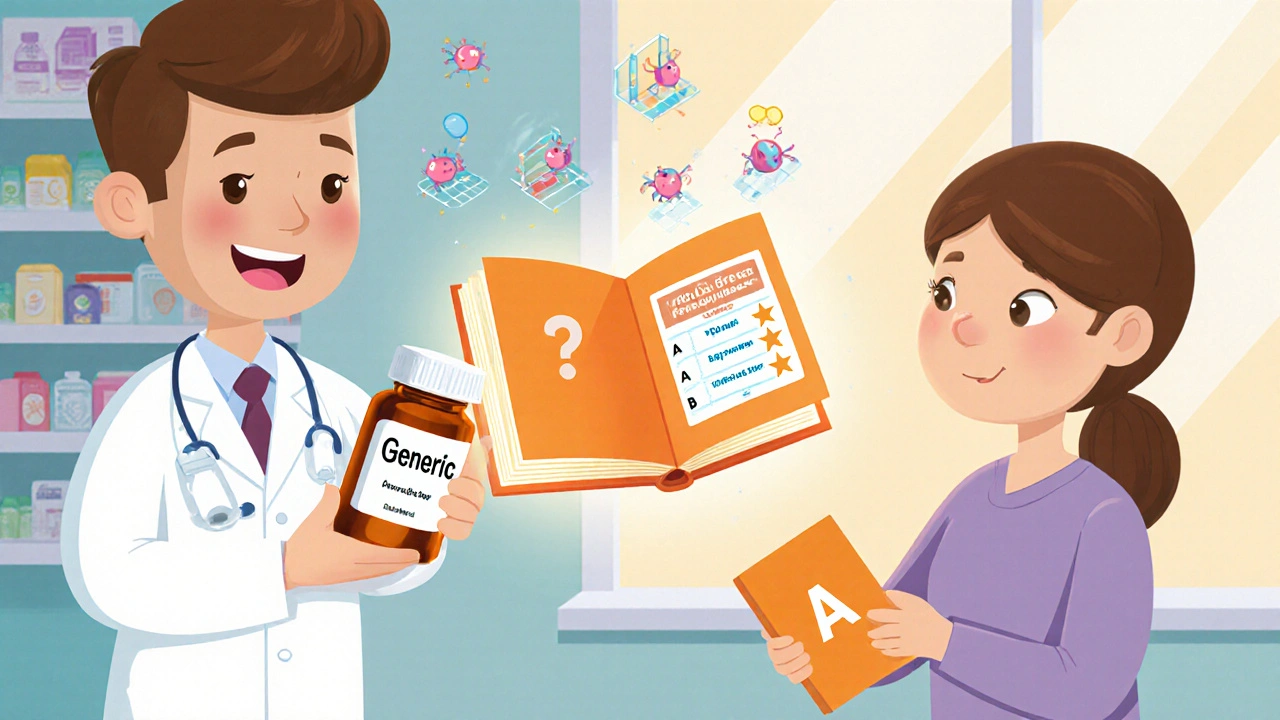
When your pharmacist hands you a generic drug, a medication that contains the same active ingredient as a brand-name drug but is sold under a different name and usually at a lower cost. Also known as non-brand medication, it is designed to work the same way—but not always in practice. That little switch from brand to generic might save you money, but it’s not just a price change. It’s a clinical decision. And your pharmacist is the one trained to spot when that swap could backfire.
Some generics work flawlessly. Others? They cause unexpected side effects, drop in effectiveness, or trigger reactions you didn’t have with the brand. Why? Because the FDA allows small differences in inactive ingredients, absorption rates, and manufacturing processes. For most drugs, that’s fine. But for narrow therapeutic index (NTI) drugs, medications where even tiny changes in blood levels can lead to toxicity or treatment failure—like warfarin, levothyroxine, or lithium—those tiny differences matter a lot. That’s where therapeutic equivalence, the FDA’s system for rating whether a generic can be safely swapped for a brand-name drug comes in. The Orange Book doesn’t just list generics—it grades them. An AB rating means the generic is considered interchangeable. A B rating? That’s a red flag. Your pharmacist should know this. And if they don’t mention it, you should ask.
It’s not just about codes on a chart. Pharmacists see the real-world results: patients who switch to a generic and suddenly feel dizzy, nauseous, or worse. They notice when a generic for epilepsy stops working. They catch when a generic antidepressant causes more anxiety than the brand. These aren’t rare cases. They’re common enough that the FDA and medical groups have issued warnings. If your doctor prescribed a specific brand for a reason—maybe because you had bad reactions to a previous generic—it’s your right to ask why the pharmacy switched it. And if you’re on multiple meds, especially for chronic conditions, a drug substitution, the act of replacing a prescribed medication with a different one, often a generic without your knowledge could be setting off a chain reaction.
You don’t need to be a medical expert to protect yourself. Just know this: a pharmacist’s generic recommendation isn’t automatic. It’s a judgment call. And you’re the one who lives with the outcome. If your meds feel different after a switch, it’s not in your head. Track your symptoms. Keep a log. Bring it to your pharmacist. Ask if the generic has an AB rating. Ask if others have reported issues with it. Ask if there’s a better alternative. The system is built to save money—but your health shouldn’t be the cost.
Below, you’ll find real stories and data from people who’ve been through this. From the generic that caused seizures to the one that saved thousands without a hitch. We’ve gathered the most urgent questions, the hidden risks, and the quiet wins—all from the front lines of the pharmacy counter. This isn’t theory. It’s what happens when a pill changes hands.